

Highlights:
- Pfizer in White House: Setback to Make America Healthy Again (MAHA)?
- Can AI replace human hands to reduce maternal mortality?
- Deaths due to cough syrup in children once again. Six children die in MP
- Scrub typhus outbreak in Mizoram
Website: https://uho.org.in
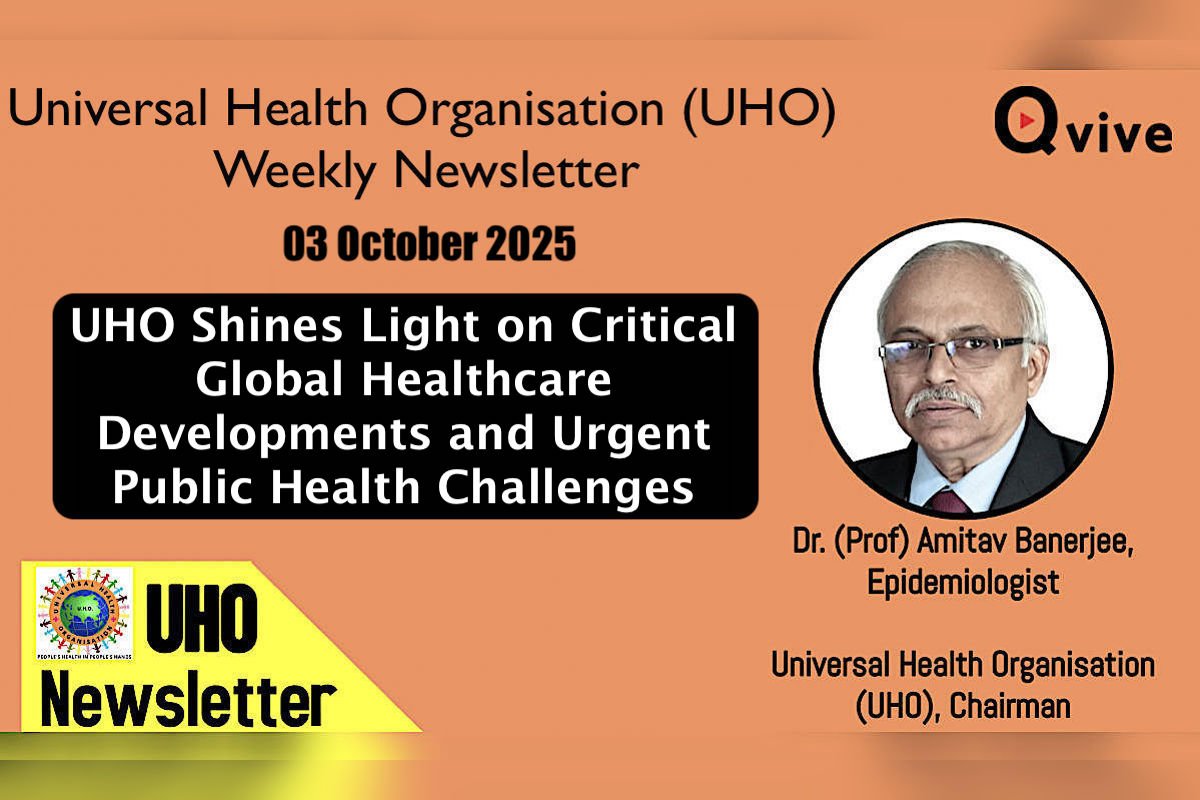
The latest newsletter from Dr. Amitav Banerjee, Chairperson of the Universal Health Organisation (UHO), sheds light on critical developments in healthcare and pharmaceutical sectors, specifically focusing on the recent partnership between Pfizer and the White House, challenges in maternal health, complications surrounding cough syrup, and the ongoing scrub typhus outbreak in Mizoram.
1. Changes in the U.S. Health Sector
Recently, Robert F. Kennedy Jr. became the U.S. Health Secretary, raising hopes for improvements in public health. However, recent developments have caused disappointment. Pfizer’s chief, Albert Bourla, has partnered with the White House and former President Trump to make medicines more affordable for Americans. They’ve created an agreement focusing on four key areas:
- Ecosystem Protection: Commitment to environmental health.
- U.S. Leadership: Striving for advancements in healthcare delivery and breakthroughs.
- Research and Innovation: Investing in new research, vaccines, and technologies.
- Access to Treatments: Focusing on next-generation medications for issues like cancer and obesity.
While lowering medicine costs is vital, this agreement also raises concerns about increased dependency on pharmaceuticals instead of promoting healthier lifestyles.
- Public Perception: This deal raises concerns about the increased dominance of the pharmaceutical industry in politics, overshadowing health initiatives that focus on lifestyle and obesity control that Kennedy had promoted.
2. Implications of Direct Medicine Sales
- Trump RX: The launch of a website allowing citizens to order medications directly has raised questions about political and financial motivations behind this initiative, particularly Trump’s influence.
- Expert Opinions: Dr. Maya Valecha suggests the need for transparency and public scrutiny of pharmaceutical agreements to ensure that profit motives do not overshadow public health.
- Public Concern: While cheaper medicines could benefit patients, the potential for increased dependency on pharmaceuticals, especially for obesity treatments, poses risks.
2. Artificial Intelligence in Gynecology
The Association of Obstetrics and Gynecology recently proposed to use artificial intelligence (AI) to improve healthcare delivery, particularly in gynecology. Currently, India has a high maternal mortality rate, though it has declined slightly. However, the concern arises that AI may focus more on urban healthcare facilities where resources are better rather than addressing the higher mortality rates in rural areas, where healthcare services are lacking. For true progress, health services need to be equitable and accessible across all regions, not just in well-off cities.
3. Concerns Over Contaminated Cough Syrup
A troubling report revealed that children have died after consuming contaminated cough syrup, leading to kidney failure. This is not the first instance; similar incidents have occurred in the past, raising questions about India’s drug safety regulations. The underlying issues include:
- Poor regulations and oversight in the pharmaceutical industry.
- Weak legal consequences for those responsible for producing contaminated medicines.
As a nation labeled “the pharmacy of the world,” it is crucial that India strengthen its drug regulations to prevent such tragedies and ensure that medications are safe for public use.
4. Scrub Typhus Outbreak in Mizoram
An outbreak of scrub typhus in Mizoram has also made headlines, reiterating the importance of awareness and early diagnosis of the disease. Scrub typhus, caused by a mite infection, primarily occurs in areas with grass and rodents. While it does not spread from person to person, those who work in such environments must be vigilant. Early treatment with antibiotics can cure the disease, but it requires a proper historical context from the patient during diagnosis.
Overall, this newsletter emphasized the critical need for transparency in healthcare agreements, equitable health services, robust drug regulations, and awareness of infectious diseases.
Encouragement for public engagement and contributions to the Universal Health Organization (UHO), which aims to address these pressing health issues through advocacy and public participation.
Also Read: