

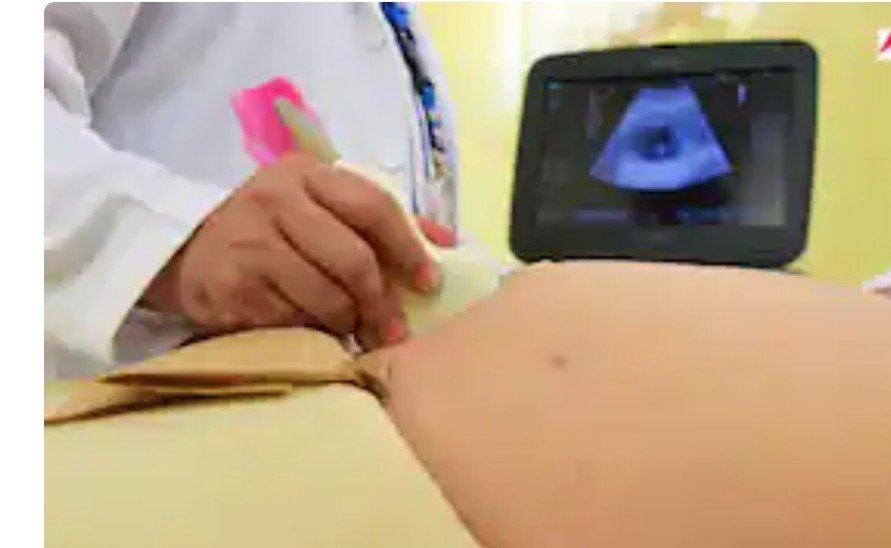
Why does fluid build up around the heart and abdomen? Just as dangerous as dehydration is, so can excessive fluid accumulation in certain parts of the body. People often think sudden abdominal bloating or shortness of breath is a common problem, but it could also be a sign of fluid buildup. Doctors say that fluid buildup around the abdomen and heart can point to several serious illnesses, which can be fatal if ignored.
According to the Cleveland Clinic, a health information organization, fluid buildup is called ascites. This condition is most commonly seen in patients with liver cirrhosis. When the liver begins to deteriorate, the balance of salt and water in the body is disrupted. Gradually, fluid begins to accumulate in the abdomen, causing the abdomen to appear abnormally large. Symptoms may also include rapid weight gain, swollen ankles, difficulty breathing, abdominal pain, and fatigue.
According to doctors, certain everyday habits can increase this risk. Long-term excessive alcohol consumption, untimely treatment of diseases like hepatitis B and C, and neglecting liver health can lead to cirrhosis and, in turn, fluid retention. Research has also found that serious liver diseases are among the leading causes of ascites.
Fluid retention around the heart is called pericardial effusion. This occurs when excessive fluid accumulates in the sac surrounding the heart. Symptoms may be mild initially, but as the problem progresses, chest pain, shortness of breath, rapid heartbeat, dizziness, and extreme weakness can occur. According to the Cleveland Clinic, delaying treatment of infections, ignoring serious illnesses, and failing to seek timely treatment for heart, kidney, or liver problems can increase the risk of pericardial effusion. In some cases, this condition can even be fatal because the excess fluid begins to put pressure on the heart.
Doctors recommend that if you experience rapid abdominal growth, sudden weight gain, difficulty breathing, or persistent chest pain, you should seek immediate medical attention. Early identification and treatment can prevent this problem from becoming serious.