


The promise of Digital India rests on the belief that technology can make governance more efficient, transparent, and citizen-friendly. However, repeated complaints regarding examination centre allocations in the National Eligibility-cum-Entrance Test (NEET) have once again raised concerns about the reliability of digital systems managing high-stakes national examinations.
Following the controversy surrounding the NEET examination and allegations of paper leaks, authorities had assured students and parents that corrective measures would ensure a smooth and error-free process. Yet, reports emerging from different parts of the country suggest that serious issues continue to persist.
Another report says that the NEET portal faced serious technical problems beginning on June 15, 2026. Students and parents reported difficulties accessing the portal, downloading documents, and verifying examination-related information. While authorities have worked to address these issues, concerns remain regarding the impact of technical failures on candidates.
Against this backdrop, several cases of unusual examination-centre allocations have drawn public attention.
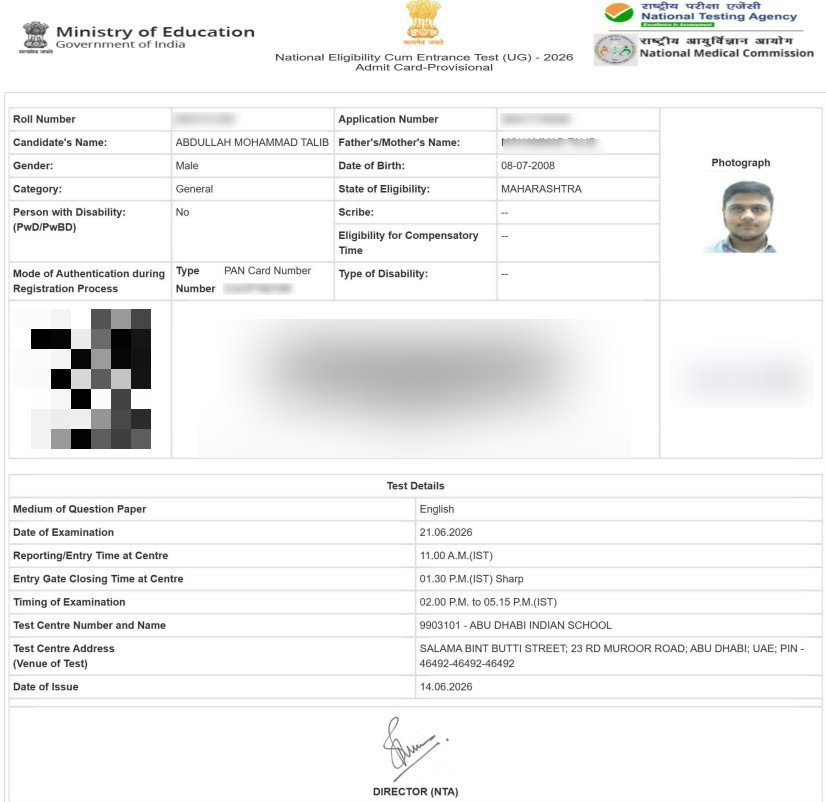
One widely reported case involved a NEET aspirant from Nagpur, Abdullah Mohammad Talib, who was allegedly allotted Abu Dhabi as his examination centre for the re-NEET examination. The assignment triggered confusion among the candidate’s family and raised questions about the examination allocation process. The National Testing Agency (NTA), however, later disputed claims that the incident resulted from a system glitch, stating that records indicated the centre selection had been made through the candidate’s login credentials.
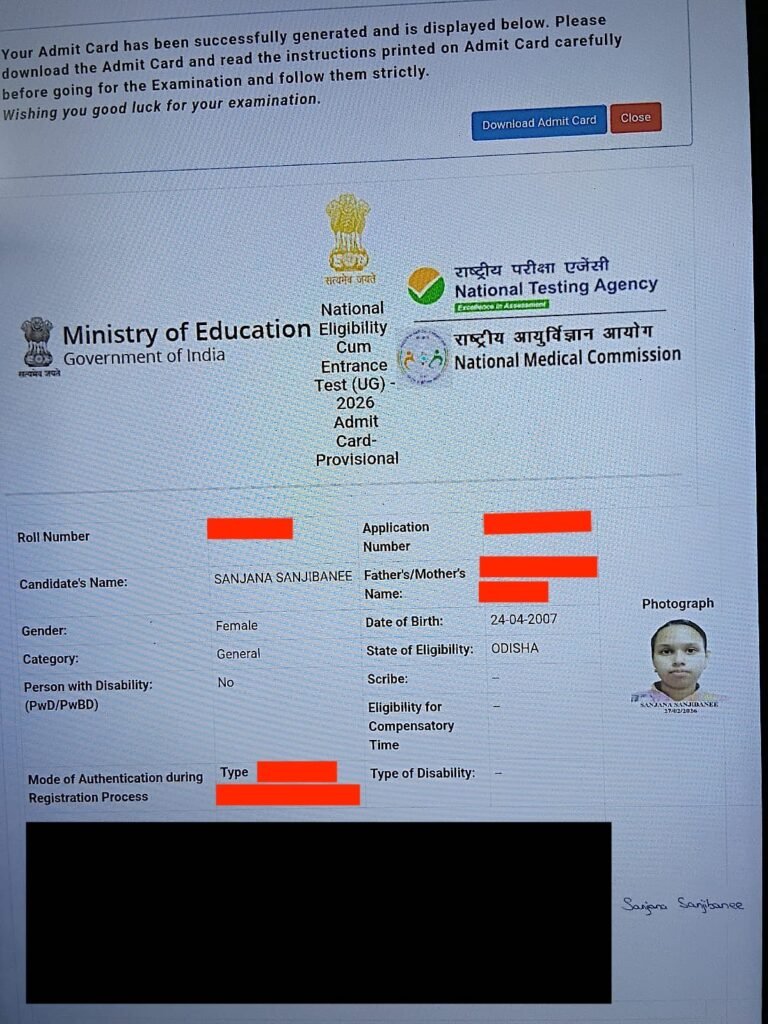
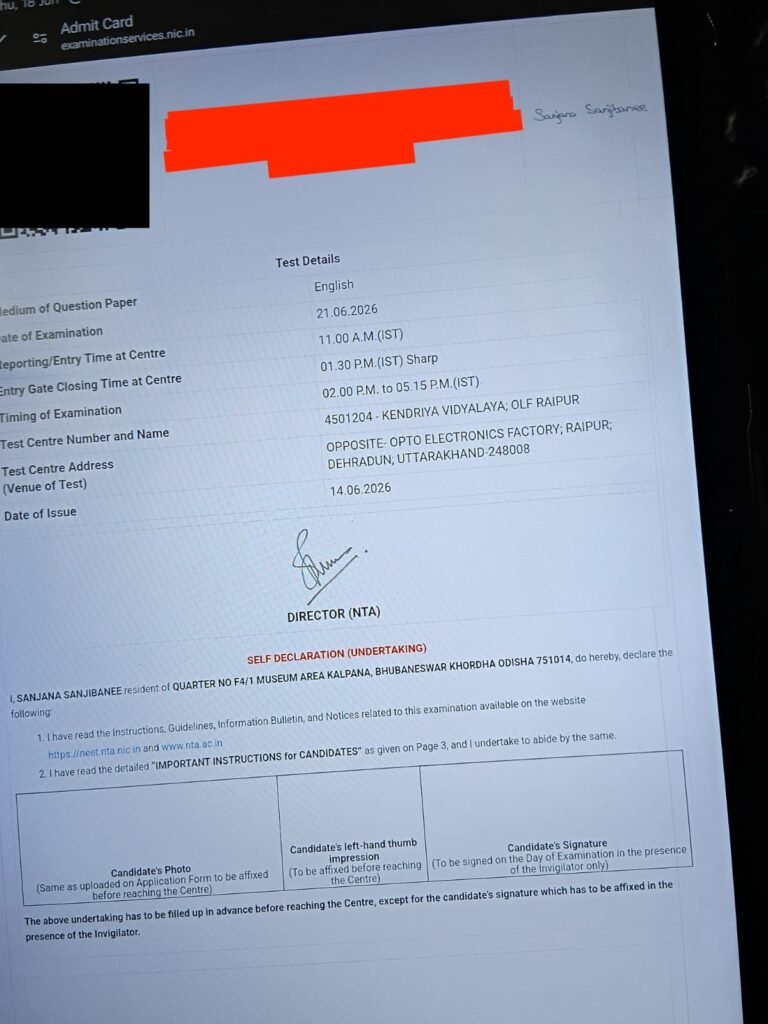
Another case that has attracted attention involves Ms. Sanjana Sanjibanee of Bhubaneswar, Odisha. According to representations made by the candidate and her family, she had initially been allotted an examination centre in Bhubaneswar. However, her re-NEET admit card reportedly displayed Dehradun, Uttarakhand, as the examination centre. The sudden change reportedly caused anxiety and uncertainty regarding travel arrangements and examination logistics.
Whether these incidents stem from technical glitches, procedural errors, account-related issues, or other causes, they highlight the enormous consequences that administrative lapses can have for students. NEET is among India’s most competitive entrance examinations, and even minor disruptions can significantly affect candidates who have spent years preparing for the test.
The incidents have also reignited broader questions about the resilience of digital infrastructure used for conducting national examinations. Digital platforms offer efficiency and scale, but they must also ensure accuracy, transparency, and robust grievance redressal mechanisms. When students encounter unexpected centre changes, portal outages, or difficulties accessing crucial information, confidence in the examination process can be undermined.
As India continues its push toward digital governance, the success of such initiatives will depend not merely on technological adoption but on consistent reliability and public trust. For millions of students whose futures depend on fair and transparent examinations, ensuring the integrity of digital examination systems must remain a national priority.
Candidates have reported the following issues:
Major Technical Glitches
- Server Crashes During Peak Hours
- Candidates frequently reported that the portal became inaccessible during registration deadlines and admit-card release periods due to heavy traffic.
- Slow Loading and Session Timeouts
- Many users experienced extremely slow page loading, automatic logouts, and session expiration while filling forms.
- Application Submission Failures
- Students reported incomplete submissions despite entering all required details, forcing them to repeat the process.
- Admit Card Download Issues
- Several candidates were unable to download admit cards because of portal outages, maintenance messages, or verification-related glitches.
- Payment and Verification Problems
- Users faced payment failures and difficulties with mandatory verification steps, causing delays and uncertainty.
- Incorrect Exam Centre Allocation
- A reported NTA system error assigned a candidate from Nagpur an examination centre in Abu Dhabi, raising concerns about data handling and quality control.
Systemic Drawbacks
- Inadequate Server Capacity
- The portal appears unable to consistently handle millions of simultaneous users during critical periods.
- Dependence on a Single Online Platform
- When the website becomes unavailable, candidates have few alternative channels to complete essential tasks.
- Poor User Experience
- Frequent error messages, unclear instructions, and repeated logins increase stress for candidates during high-stakes examinations.
- Lack of Real-Time Communication
- Candidates often rely on social media for updates when technical problems occur, although NTA has recently introduced official WhatsApp alerts to improve communication.
- Psychological Impact on Aspirants
- Portal failures near deadlines can create significant anxiety because students fear losing a year of preparation due to technical issues rather than academic performance.
Authorities should investigate all reported cases thoroughly, publish clear explanations where appropriate, and strengthen safeguards to prevent future discrepancies.
Also Read: