

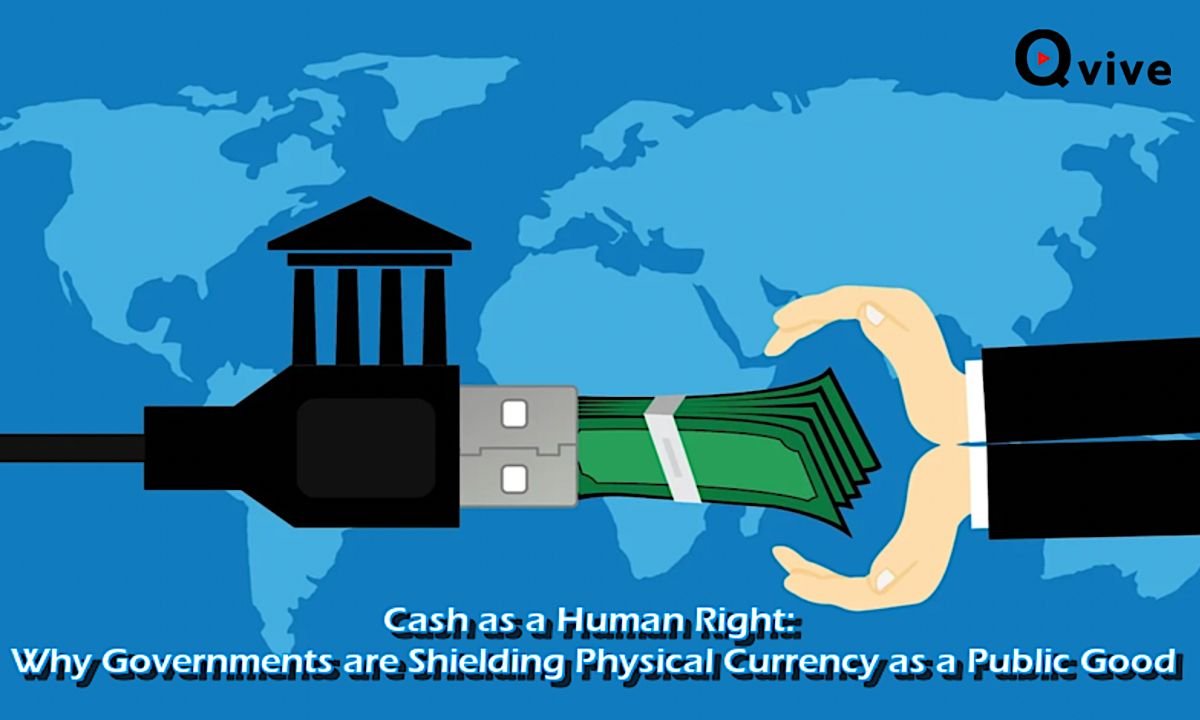
For decades, the narrative surrounding the global economy suggested that physical currency was a dying relic of a pre-digital age. However, a significant shift in governance has emerged: authorities worldwide are actively intervening to safeguard cash. Rather than allowing market forces to dictate a transition to purely digital systems, governments are framing cash access as a fundamental public good, essential for social equity, economic resilience, and personal liberty.
The Importance of Cash
- Consumer Choice: The debate about cash versus digital payment often hinges on consumer preference. If consumers prefer digital, cash might fade away; if they want cash, it remains. However, this view overlooks essential public policies that aim to protect cash access.
- Public Good: Governments are increasingly viewing cash as a public good, important for financial inclusion, consumer choice, and overall quality of life. This perspective has led to various legislative actions to ensure that cash remains available and accessible to everyone.
Examples of Government Actions
Several countries are taking concrete steps to ensure cash’s continued viability:
Swiss Constitution Now Protects Citizens’ Right to Cash Payments. March 8, 2026, Switzerland voted in a referendum to constitutionally guarantee the continued availability and use of physical cash (banknotes and coins).
Hungary has taken a significant step by enshrining the right to cash in its constitution, emphasizing that cash payments are a fundamental civic freedom.
In May 2025, Hungary enacted a law mandating the installation and operation of ATMs in every town and village, ensuring that all citizens have access to cash.
This legislation requires municipalities to provide appropriate locations for ATMs, while financial institutions face penalties for failing to comply with these requirements.
The Hungarian government’s rationale is clear: while digital payment methods offer convenience, they are not accessible to everyone, particularly rural residents, the elderly, and those excluded from the digital financial system.
Other European nations are also taking steps to protect cash usage, reflecting a broader movement to maintain its relevance in the payment ecosystem.
Slovakia has amended its constitution to guarantee the right to use cash for transactions, reinforcing the importance of cash in everyday life.
Austria is exploring similar legislative protections for cash, spurred by a public petition that received significant backing from citizens.
Belgium has enacted a law that mandates financial institutions to ensure ATM availability within five kilometers of 95% of the population, requiring access to both cash withdrawals and deposits.
Sweden, once celebrated as a leader in the transition to a cashless society, is now witnessing a shift in perspective from The Riksbank, which is advocating for legislation that mandates cash acceptance in supermarkets, pharmacies, and fuel stations.
This change is driven by concerns over digital payment outages and the growing unease among the public regarding reliance on electronic transactions.
The recognition that digital-only payment systems can marginalize certain segments of the population is becoming increasingly prominent in policy discussions.
Factors such as age, income disparities, geographic location, and gaps in infrastructure contribute to the continued reliance on cash for millions of individuals.
In response to these challenges, both governmental and non-governmental organizations (NGOs) are taking action to ensure that cash remains a viable option for all citizens.
A notable example of this collaborative effort occurred in September 2018, when several United Nations agencies—including UNICEF, OCHA, UNHCR, and WFP—released the inaugural Common Cash Statement Progress Report (UNCCS).
The importance of cash or voucher assistance as a dignified and efficient means of providing support to vulnerable populations. By promoting cash-based solutions, these organizations aim to enhance the resilience and autonomy of individuals facing economic hardships. The ongoing dialogue surrounding cash acceptance highlights the need for inclusive financial systems that cater to diverse needs and circumstances.
As the landscape of payment methods continues to evolve, the balance between digital innovation and the accessibility of cash will remain a critical issue for policymakers and society at large.
U.S. Initiatives:
The movement to safeguard the right to use cash is gaining momentum across various states and cities in the United States. Notable urban centers such as New York City, San Francisco, and Philadelphia have enacted legislation that mandates businesses to accept cash payments. This trend is not isolated, as similar proposals have emerged in 18 additional states, reflecting a growing recognition of the importance of cash transactions. On a national scale, the proposed Payment Choice Act aims to ensure that retailers are required to accept cash for purchases up to $500, highlighting the federal commitment to maintaining cash as a viable payment option in an increasingly digital economy.
This legislative push is mirrored in several other countries, where governments are also taking steps to protect cash transactions. For instance, Belgium has introduced the Federal Cash Access Law, while Ireland has enacted the Access to Cash Act. Spain’s Cash Acceptance Law and Sweden’s Riksbank Mandate further illustrate this global trend, with France, Denmark, and Norway already having established national laws that support cash acceptance. The underlying principle driving these initiatives is equity; cash remains a crucial tool for budgeting, ensuring privacy, and avoiding transaction fees, particularly for individuals without access to traditional banking services. As digital payment methods become more prevalent, lawmakers are increasingly acknowledging the necessity of preserving consumer choice, which must include the option to transact with physical currency.
How are developing countries addressing cash access?
In many developing countries, cash is not just a way to pay for things; it is essential for survival. Governments in these nations are actively working to ensure that people can still access cash easily. For example, in Kenya, even though mobile money services like M-Pesa are popular, a significant 84% of transactions at stores are still done with cash. The Central Bank of Kenya has chosen not to push for complete digital payment systems, highlighting the importance of having cash available, especially in rural areas where many people do not have smartphones or reliable internet connections. This focus on cash is aimed at including everyone in the financial system, particularly those who might otherwise be left out.
In Morocco, the government has taken steps to expand ATM access and improve financial literacy among its citizens, particularly in rural areas. Studies have shown that women and low-income individuals in these regions often struggle with financial skills, making it harder for them to manage their money. By ensuring that cash is accessible, the government believes it can help these groups gain access to a wider range of financial services, which can improve their overall economic situation. This approach recognizes that cash is a crucial first step toward financial empowerment.
Similarly, in Nigeria, the Central Bank faced backlash after introducing a new currency design and limits on cash withdrawals in 2023, which caused significant disruption, especially in informal markets. After realizing the negative impact of these policies, the bank decided to reverse its stance to protect people’s livelihoods and rebuild trust in the financial system. Now, Nigeria is working to increase the availability of cash and add more ATMs to help stabilize its payment system. In Thailand, while digital payments are on the rise, the government still supports cash transactions, particularly in rural areas, to ensure that small vendors and tourists can continue to use cash without restrictions. Even in China, where digital payments are widespread, the government has taken action against businesses that refuse to accept cash, emphasizing that everyone, especially the elderly and those in rural areas, should have the right to use cash.
Reasons for Government Intervention
Governments are increasingly stepping in to support cash usage for several important reasons that are all connected. At the heart of these policies is a strong commitment to ensuring that everyone has access to financial resources, promoting resilience in the face of challenges, and protecting individual freedoms. For many people, especially the elderly, those living in rural areas, and low-income families, cash is still a vital part of everyday life. These groups often depend on cash for their daily purchases, as they may not have reliable access to digital payment methods.
Another significant reason for government involvement is the need to enhance digital resilience. Recent events, such as power outages, cyberattacks, and failures in digital infrastructure, have highlighted how fragile systems that rely solely on digital payments can be. In contrast, cash serves as a dependable backup option, ensuring that people can still conduct transactions even when technology fails. This reliability is crucial for maintaining stability in the economy and for individuals who may find themselves in difficult situations.
Lastly, the push for cash access is increasingly being framed as a matter of consumer rights and civil liberties. The ability to choose how to pay is becoming recognized as an essential right, allowing individuals to make decisions that best suit their needs. Additionally, cash plays a vital role in promoting economic equity by supporting informal economies, helping people manage their budgets, and avoiding extra fees associated with digital transactions. This perspective is driving a new wave of legislation that views cash not as an outdated form of payment, but as a necessary and valuable resource in today’s society.
The Role of Self-Service Technology
The importance of self-service financial access is growing as governments continue to support the use of cash. With this support, the infrastructure that allows people to access cash becomes crucial. Machines like ATMs and cash recyclers play a vital role in making sure that cash is available, especially in areas that are far away or not well-served by banks. These ATMs do more than just dispense cash; they also provide access to various financial services, including bill payments and loans. Microloans, in particular, have been effective in helping women improve their financial situations and escape poverty. By using these self-service technologies, communities can ensure that everyone has the financial resources they need.
Investing in self-service options allows financial institutions to meet the needs of consumers while also supporting government policies. This investment helps create a payment system that is more inclusive and adaptable. As digital payment methods become more popular, it is essential to maintain the availability of cash. By doing so, financial institutions can cater to a wider range of customers, ensuring that everyone has the opportunity to participate in the economy, regardless of their access to technology.
Ultimately, a well-developed self-service financial infrastructure leads to a more resilient and flexible payment ecosystem. This system respects the traditional role of cash while embracing the growth of digital options. By balancing both cash and digital payments, we can create a financial environment that works for everyone, ensuring that no one is left behind as technology continues to evolve.
A Future with Choice
The global effort to protect cash is not about rejecting new technology; rather, it emphasizes the importance of making sure that progress includes everyone. As payment methods continue to advance, it is crucial that the systems and rules supporting these methods evolve as well. This means that cash and digital payments can exist side by side, giving people the freedom to choose the payment option that suits them best. This coexistence is essential for ensuring that everyone has access to the financial tools they need, regardless of their situation.
The idea that “cash isn’t disappearing—it’s being defended” goes beyond just a passing trend; it represents a significant change in how we think about money and payments. This shift highlights the importance of making financial systems accessible, fair, and strong enough to withstand challenges. While some governments are taking the lead in this movement, businesses and banks also have important roles to play in creating a balanced payment environment.
Also Read: