

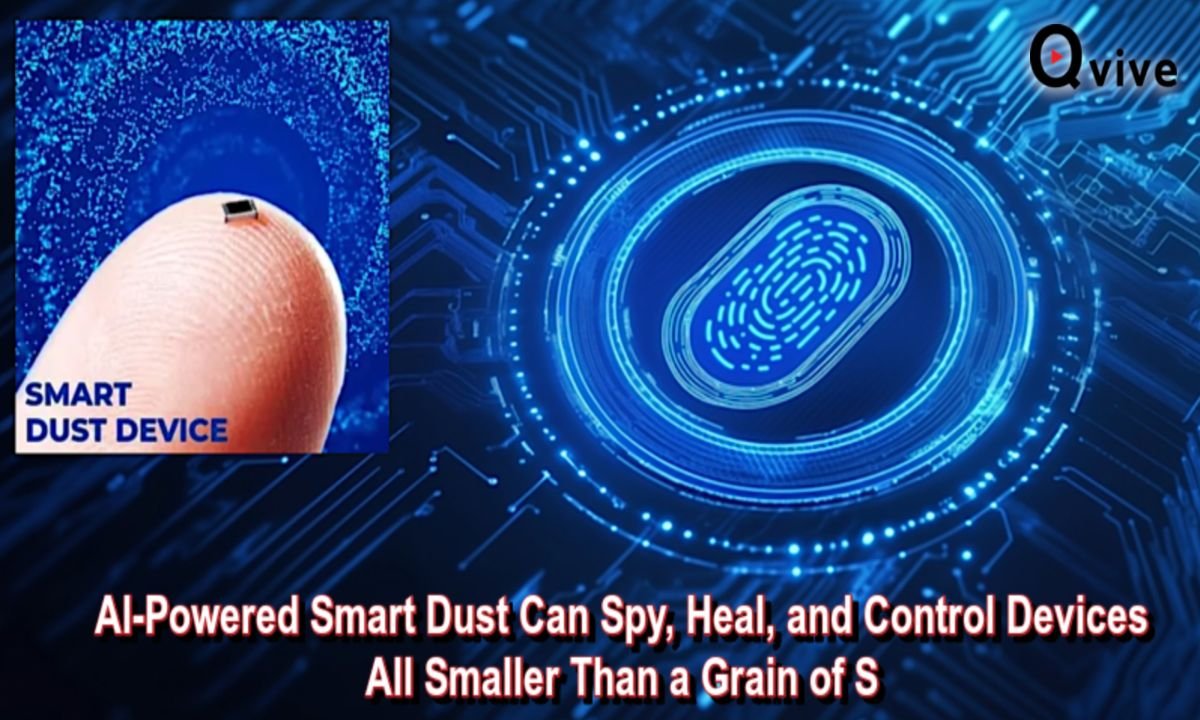
RFID powder (often called “smart dust“) refers to ultra-miniaturized Radio Frequency Identification chips.
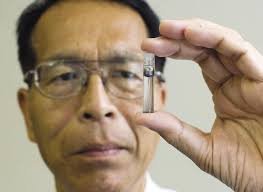
Hitachi pioneered ultra-small Radio-Frequency Identification (RFID) by developing dust-sized ICs (Integrated Circuits) that transmit unique 38-digit identification numbers. This technology eliminates the need for direct line-of-sight scanning, pushing physical limits in microelectronics to seamlessly embed wireless tracking into everyday objects.
- What is RFID?
- RFID tags are tiny electronic devices that help identify objects automatically. They’re similar to barcodes but work without needing to be lined up precisely with a scanner. Instead, they can communicate via radio waves.
Types of RFID Tags
- Passive Tags: The most common and inexpensive type. They have no battery and are powered entirely by the electromagnetic signal from an RFID reader.
- Active Tags: Contain their own battery, allowing them to constantly broadcast their signal. They have a much longer read range, ideal for high-value or moving assets.
- Semi-Passive Tags: Feature a small battery to power the microchip but rely on the reader’s signal to communicate.
Common Frequencies & Applications
- Low Frequency (LF / 125–134 kHz): Short read range. Often used for access control and livestock monitoring.
- High Frequency (HF / 13.56 MHz): Includes NFC technology. Widely used in electronic payments, smart cards, and transit ticketing.
- Ultra-High Frequency (UHF / 860–960 MHz): Long read range. Primarily used for retail inventory tracking, warehouse logistics, and toll payments (like India’s FASTag).
Why Businesses Use RFID
- No line-of-sight required: Can scan tags through boxes, clothing, or hidden in packaging.
- Bulk scanning: Scans hundreds of items simultaneously rather than one by one.
- Programmable memory: Allows you to constantly update an item’s history, batch number, or authentication details
- The Expo 2005 Example
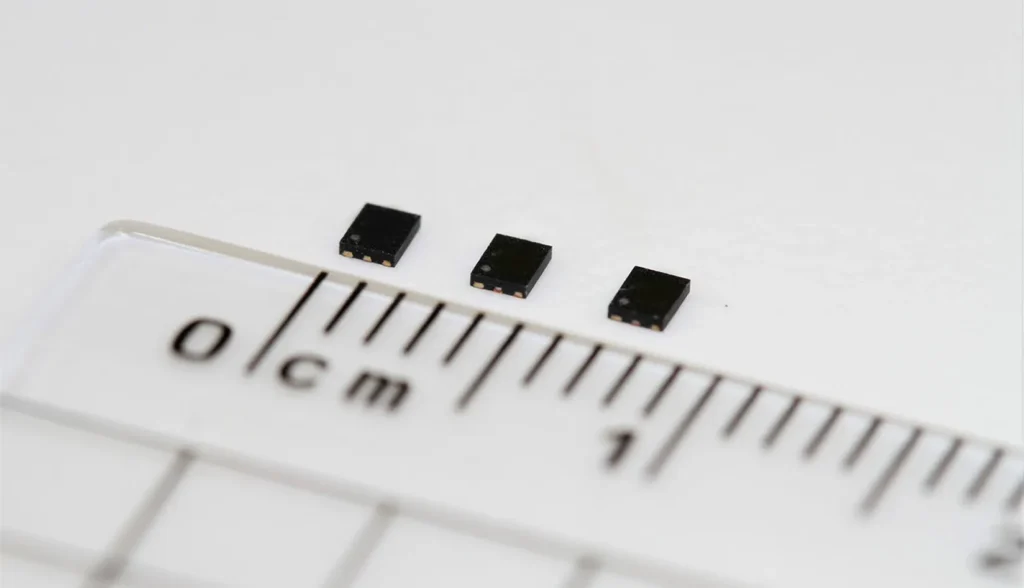
- At the Expo 2005 in Aichi, Japan, over 22 million visitors used RFID-enabled tickets that were extremely hard to forge. This was due to a tiny chip measuring just 0.4 mm on each side. The chip sent a unique ID number to scanners to verify ticket authenticity.
- Innovative Miniaturization
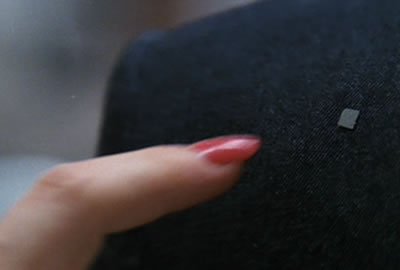
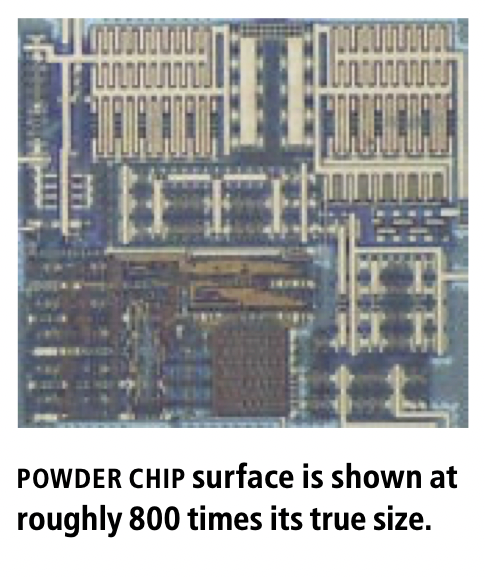
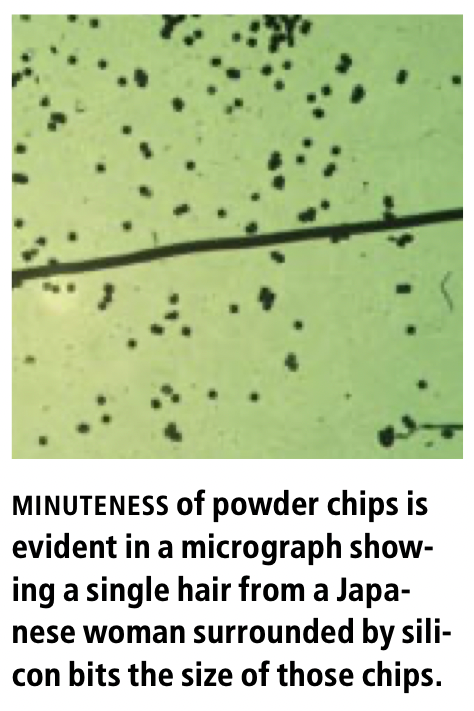
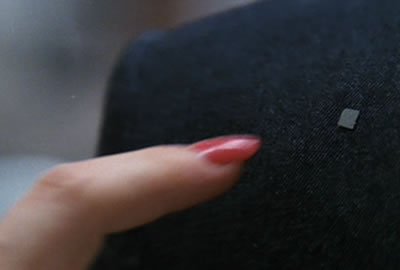
- Hitachi’s efforts have led to the development of an even smaller chip measuring only 0.05 mm on each side (about 1/20th the size of a grain of salt). This chip can potentially be embedded in everyday items, making it nearly invisible to the naked eye.
- Major Applications
- RFID has found uses in various sectors such as:
- Retail: Companies like Wal-Mart utilize RFID for efficient inventory management.
- Transportation: Tags are used in electronic toll collection and public transit passes.
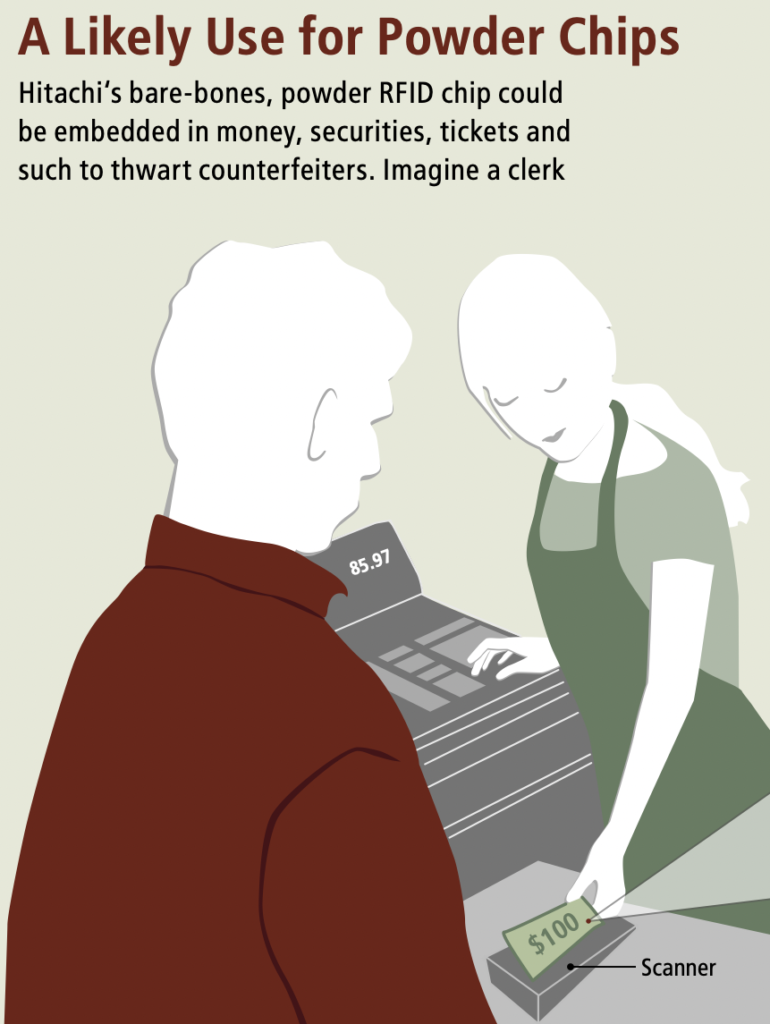
- Security: For anti-counterfeiting, small RFID chips are envisioned to be used in high-value items like concert tickets, cash, and financial securities, helping to combat forgery.
- RFID has found uses in various sectors such as:
How RFID Works:
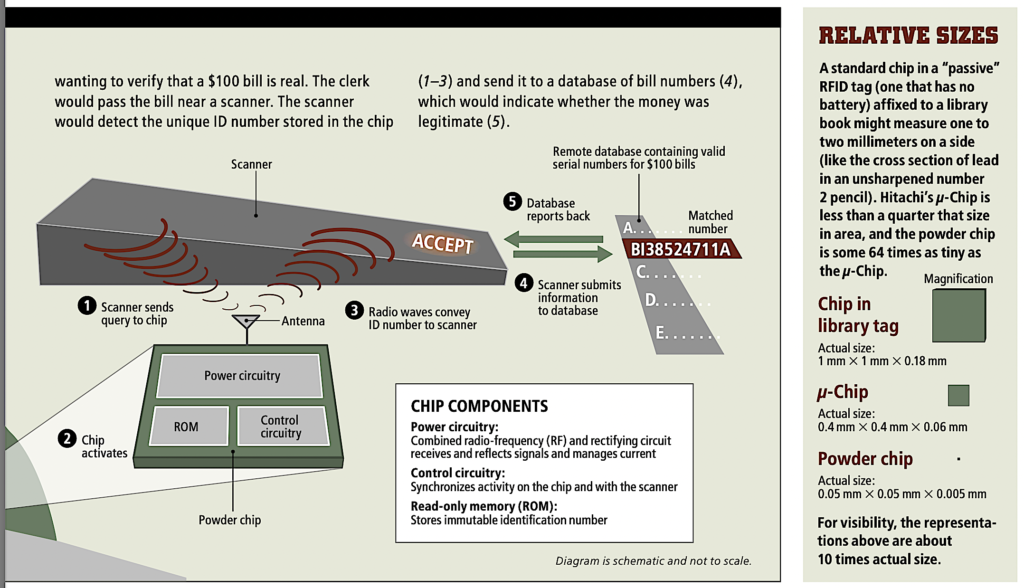
- The RFID chip works as a “passive” device that doesn’t require a battery. When a scanner sends out a specific radio signal, the chip replies with its stored unique identification number. This ID can be compared to a database to confirm the item’s authenticity.
- Hitachi’s µ-Chip and the new Powder LSI chip utilize a simple 128-bit ID number, which provides an enormous combination range—enough to identify countless items without repeating.
Modern Implications:
- Privacy Concerns: With the advancements in RFID technology, concerns over privacy have arisen. There are fears that malicious individuals could pick up information from RFID-tagged items without consent, such as scanning cash or personal belongings from a distance.
- Future Innovations: Experts speculate that tiny RFID chips could be embedded in various materials (even in cash) to improve functionality and security but emphasize the importance of privacy and ethical use of such technology.
The development of tiny RFID chips presents exciting possibilities in enhancing security and efficiency across numerous domains. However, as this technology evolves, careful thought must be given to privacy issues, ensuring that the benefits of increased convenience do not come at the expense of personal privacy. The shift towards smaller and more accessible RFID technology is set to transform how we secure and track valuable items in everyday life, making the technology a powerful tool in our increasingly digital world.
Ref: RFID Journal
Also Read: