

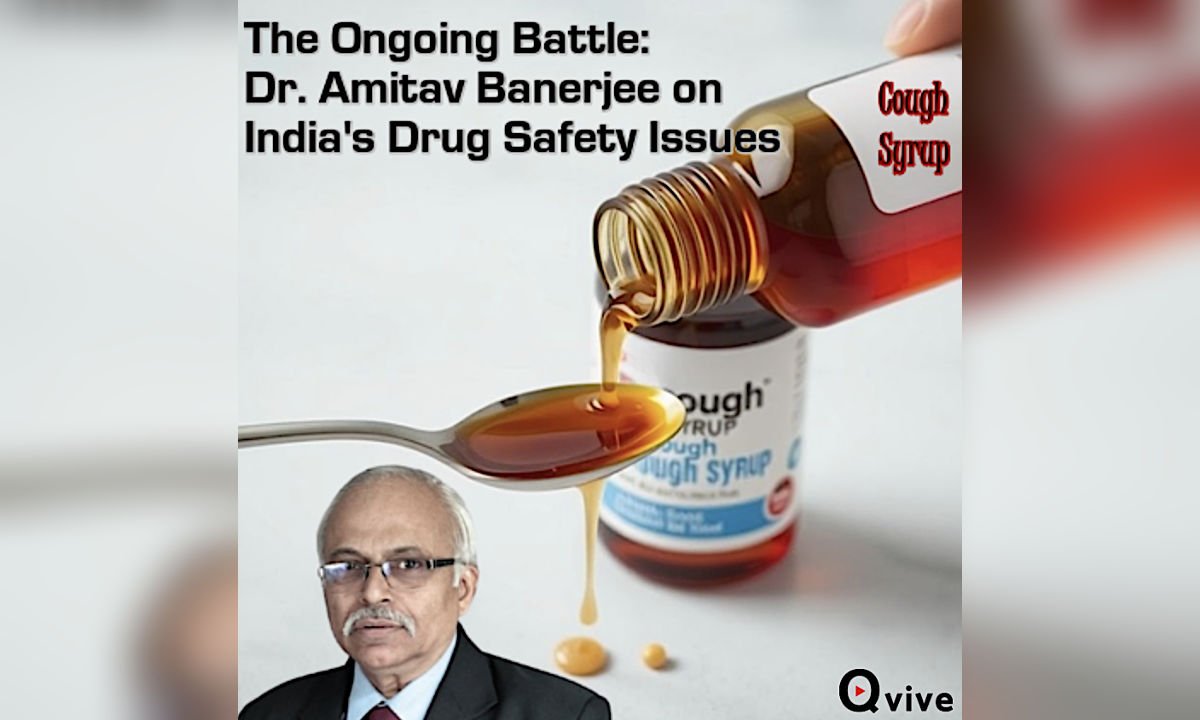

Dr. (Prof) Amitav Banerjee, a distinguished epidemiologist and Chairman of the Universal Health Organisation (UHO), has issued a powerful warning regarding the persistent crisis of toxic cough syrup deaths in India, emphasizing systemic failures in the nation’s drug control system. His expert opinion, recently published in the Economic Times, scrutinizes the recurring pattern of tragedies and calls for urgent, stringent reforms to protect Indian lives.
Dr. Amitav’s analysis comes in the wake of the latest incident in Madhya Pradesh, where at least 20 children have died from toxic cough syrup poisoning. He critically observes that despite past tragedies, international warnings, and the predictable responses of official suspensions and arrests, the root causes of substandard medicines in India remain unaddressed.
“Once again, the ‘pharmacy of the world’ has shown its ugly side,” states Dr. Amitav in his op-ed. “This pattern raises serious questions about consumer safety and the value placed on Indian lives.”
Dr. Amitav vividly recalls India’s grim history with diethylene glycol (DEG) poisoning, citing five major tragedies before the current one:
– Madras (1972): 15 children died
– Mumbai’s JJ Hospital (1986): 14 patients died
– Bihar (1988): 11 fatalities
– Gurgaon (1998): 33 children died
– Ramnagar, Jammu (2019): 12 children died
Cough syrups labeled ‘Made in India’ have faced allegations of being responsible for deaths in various other countries as well.
WHO issued a global alert in October 2022 regarding four contaminated cough syrups from India.
69 children in Gambia died from acute kidney failure linked to these syrups.
In Uzbekistan, 18 child deaths were also connected to India-made cough syrup.
Different manufacturers were involved: Maiden Pharmaceuticals from Haryana in Gambia and Marion Biotech from UP in Uzbekistan.
Following the Gambia incident, the Indian government conducted independent tests on Maiden Pharma’s products but deemed the WHO’s clinical information insufficient for determining the cause of death.
In Uzbekistan, 18 child fatalities were associated with cough syrup from Marion Biotech, leading to the discovery of manufacturing violations, which resulted in a production ban that was lifted in October 2023.
Recent fatalities in Madhya Pradesh are attributed to Sresan Pharmaceuticals from Tamil Nadu.
The UP drug controller, Shashi Mohan Gupta, announced in September 2023 that Marion’s authorization to produce items containing propylene glycol has been revoked, while allowing the manufacture and sale of other products, following a decision by the UP health department in August 2023.
Dr. Amitav points out the alarming double standard: while India has made it mandatory for cough syrups to be tested before export since 2022, “the same rules don’t apply to products sold within India. It seems India has decided that Indian lives, including those of its children, are cheaper than those abroad.”
Many Indian pharmaceutical companies neglect to conduct necessary testing on ingredients and final products, often breaching good manufacturing practices (GMP) due to inadequate facilities and a lack of regulatory oversight, which is exacerbated by corruption within inspecting agencies.
Dr. Amitav further criticizes recent amendments to the Drugs and Cosmetics Act, 1940, through the Jan Vishwas (Amendment of Provisions) Act 2023, which allows manufacturers of substandard drugs to escape imprisonment by paying a fine, thereby weakening accountability.
“India needs a stringent regulatory framework to put the searchlights on drug quality control, making consumer safety non-negotiable,” Dr. Amitav urges. He advocates for greater consultation among industry, patients, families, healthcare professionals, civil society, the judiciary, and policymakers to restore trust and ensure that the value a country places on its citizens’ lives, especially its children’s, is truly reflected.
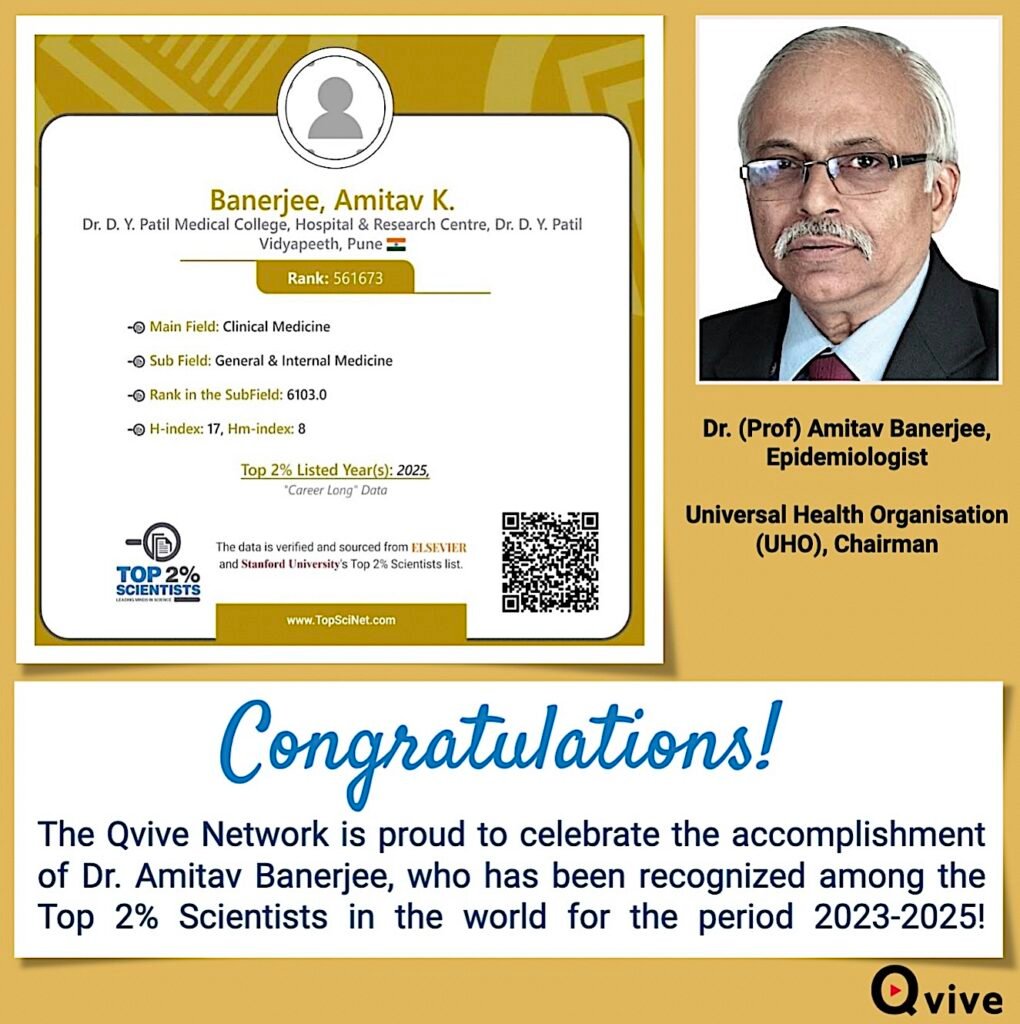
Dr. (Prof) Amitav Banerjee is a globally recognized epidemiologist, public health expert, and the distinguished Chairman of the Universal Health Organisation (UHO). With an illustrious career spanning decades, Dr. Amitav is at the forefront of shaping global health policy, promoting ethical research, and advocating for robust public health systems.
Consistently ranked among the top 2% of scientists globally by Stanford University/ Elsevier (2023-2025), Dr. Amitav’s work is characterized by deep analytical insight, extensive field experience, and an unwavering commitment to public welfare. His expertise encompasses outbreak investigation, community medicine, drug safety, and medical ethics, making him a critical voice in today’s complex health landscape.
UHO Website: https://uho.org.in
Ref: https://economictimes.indiatimes.com/opinion/et-commentary/pharmacy-of-the-underworld-indias-quality-control-disease/articleshow/124395921.cms?from=mdr
Also Read: