

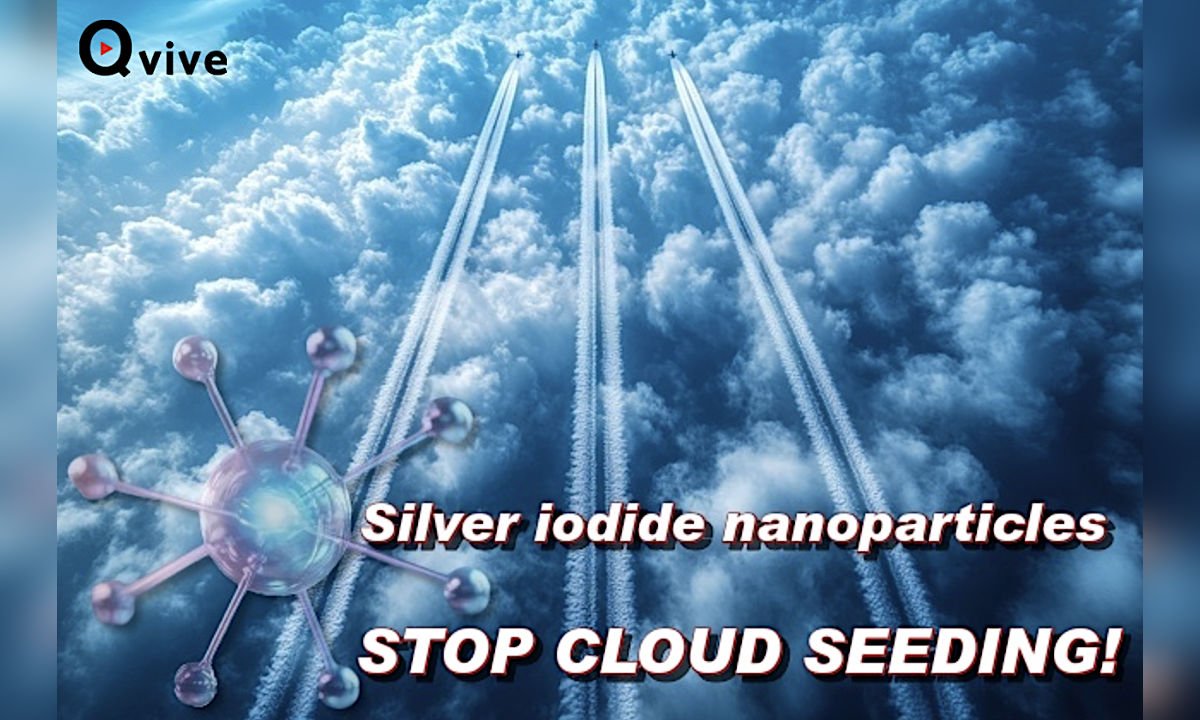
Worldwide Experts Cite Unacceptable Human Health Hazards and Environmental Risks from Silver Iodide for Pollution Control
India: The Delhi government is implementing cloud seeding as a temporary measure to combat severe air pollution. The project, titled ‘Technology Demonstration and Evaluation of Cloud Seeding as an Alternative for Delhi NCR Pollution Mitigation,’ is a ₹3.21 crore initiative led by IIT Kanpur in collaboration with the Delhi Government’s Department of Environment.
The formulation developed by IIT Kanpur for Delhi includes silver iodide nanoparticles, iodized salt, and rock salt. Each sortie will last approximately 90 minutes and cover about 100 square kilometers. The targeted cloud type for successful rain induction is nimbostratus, which typically hovers between 500 and 6,000 meters above ground level and requires at least 50% moisture content.
The potential to tamper with weather systems raises many questions. Although the dream of easily controlling rain and storms is exciting, scientists recognize that careful, high-risk experiments are necessary to explore this field safely.
As we consider these possibilities, it’s important to strike a balance between innovation and safety for our planet and future generations. What are your thoughts? Are we ready to explore these avenues further? Let’s discuss!
Global coalition insists geoengineering fixes fail to address core pollution issues and intensify public distrust amidst ‘odd sky events’ and lack of transparency.
Can Nanotechnology Control Weather?
The concept of using advanced technologies, like nanotechnology, to control the weather has been a topic of intrigue and speculation. Let’s break down the main ideas in a clear and simple way.
In 2019, there were rumors about then-President Trump suggesting that nuclear bombs could be dropped on hurricanes to alter their paths. This idea, while extreme, points to a long-standing debate about how we might influence powerful weather events. The National Oceanic and Atmospheric Administration (NOAA) even had to clarify that such actions would not only fail but also create dangerous radioactive fallout.
To understand just how powerful hurricanes are, think of the energy they produce: it’s like a series of massive explosions every 20 minutes! If we can’t stop hurricanes with nuclear bombs, can smaller technologies like nanotechnology help?
What is Nanotechnology and How Does It Relate to Weather?
Nanotechnology involves manipulating materials at a very tiny scale—so small that you can’t see them with the naked eye. Some conspiracy theories suggest that nanotechnology is already being used through “chemtrails,” where planes supposedly spray particles in the atmosphere for controlling the weather and the population. While these ideas are captivating, the reality is that we’re still far from being able to control the weather effectively using technology.
Historical Attempts at Weather Modification
- Cloud Seeding Basics:
- This technique involves introducing tiny particles (like silver iodide or dry ice) into clouds. These particles help raindrops form, potentially leading to more rain.
- Early Experiments:
- The first known attempt to modify a hurricane was conducted in 1947 by Irving Langmuir. He and his team tried cloud seeding on a hurricane but got mixed results. We can’t be sure if their efforts truly changed the storm’s path.
- Project Stormfury:
- From 1962 to 1983, the U.S. worked on this initiative to weaken hurricanes through cloud seeding. Although it showed some promise, scientists learned that hurricanes are unpredictable, making it hard to prove whether their methods made a real difference.
Current Research and Future Prospects
Today, scientists continue exploring how nanotechnology might enhance weather modification efforts. For instance, researchers are developing new materials that could make cloud seeding more effective, potentially bringing much-needed rain to drought-stricken areas.
However, there are challenges:
- Running experiments on hurricanes poses risks; altering a storm too much could make it worse.
- Currently, we rely on computer simulations for predictions, but real-world experiments would be needed for true understanding.
Regulations and Safety Considerations
There are already rules governing weather modification activities, such as the Weather Modification Reporting Act of 1972. This law requires anyone who modifies the weather to inform government officials in advance. While the idea of weather control sounds fantastic, it comes with serious ethical responsibilities and safety concerns.
Artificial Rainfall: The Positive and The Negative Effects of Cloud Seeding, including Health Hazards and Climate Implications
Disadvantages of Nanotechnology
The disadvantages of using nanotechnology to control weather, particularly through cloud seeding, primarily revolve around potential health hazards, environmental concerns, and climate implications. These issues stem from the introduction of nanoparticles, such as silver iodide (AgI), into the atmosphere.
Health Hazards
The primary health concern associated with cloud seeding using silver iodide is the potential for toxicity. Silver iodide, composed of silver and iodine, is more toxic than silver alone. While proponents often claim that the concentrations of AgI used in cloud seeding are too low to induce significant toxicological effects, the cumulative environmental effects from continuous practice remain a concern.
Specific health risks linked to silver iodide exposure include:
- Toxicity: Silver iodide is known to be toxic.
- Reproductive disorders: Exposure has been associated with reproductive issues.
- Developmental defects: There are concerns about potential developmental problems.
- Cancer: Silver iodide has been linked to an increased risk of cancer.
- Iodism: When oxidized, silver iodide can lead to iodism, a type of iodine poisoning characterized by skin rashes, headaches, and respiratory issues.
- Argyria: Prolonged exposure can cause argyria, a condition where human tissues turn blue or gray due to excessive silver deposition in the body.
At a cellular level, silver ions can inhibit glutathione peroxidase and Sodium-Potassium ions-ATPase activity, disrupting chemical reactions, oxidation, and intracellular ion concentrations. Nanoparticles are also believed to disrupt the mitochondrial respiratory chain, leading to oxidative stress, reduced ATP synthesis, and DNA damage. Research into the human consequences of weather modification, initially called for in 1965 by the National Science Foundation, remains under-explored.
Beyond silver iodide, the broader field of nanotechnology and nanoparticles (NPs) presents a complex landscape of potential health risks. Nanoparticles, generally defined as materials with at least one dimension between 1 and 100 nm, possess unique physical and chemical properties due to their small size and large surface area. These properties facilitate their interaction with molecules at target sites and mediate a range of toxicity mechanisms. Smaller NPs (e.g., 10 nm) have been shown to improve tissue distribution of substances like silver and increase hepatobiliary toxicity, and are more likely to be taken up by cells, causing cytotoxicity.
NPs can enter the human body through inhalation, ingestion, and skin contact, potentially damaging cells, tissues, and organs. The toxicity of NPs is influenced by their size, shape, surface area, and chemical composition, as well as their interactions with biological systems like proteins, enzymes, and DNA.
Specific toxic effects of NPs on various bodily systems include:
- Respiratory System: NPs can deposit in the lower airways, interacting with lung cells and triggering responses like reactive oxygen species (ROS) generation, cytokine release, and inflammatory pathways. This can lead to inflammation, oxidative stress, fibrosis, and even lung cancer. Examples include titanium dioxide (TiO2)-NPs inducing lung inflammation and fibrosis, and nanoplastics causing pulmonary fibrosis.
- Nervous System: NPs can cross the blood-brain barrier, affecting the nervous system. Studies show NPs can induce neurotoxicity through mechanisms like oxidative stress, inflammation, and cell death. Polystyrene NPs (PS-NPs) have been linked to intestinal inflammation and developmental restriction in zebrafish, impacting the brain–gut–microbiota axis.
- Endocrine System: NPs can mimic hormones, bind to hormone receptors, and disrupt endocrine balance. Metal-based NPs like silver and zinc oxide can exert estrogenic activity. They can also induce oxidative stress and interfere with enzymes involved in hormone regulation, potentially leading to reproductive failure and metabolic syndrome.
- Immune System: Most NPs can activate the innate immune response, leading to overactivation or immunosuppression. Cadmium NPs have been shown to decrease hemophagocytosis and cause immunosuppression.
- Reproductive System: NPs can penetrate the Sertoli cell barrier and accumulate in reproductive tissues, causing oxidative stress, sex hormone disturbances, inflammation, and germ cell damage. Silver NPs, gold NPs, and carbon nanotubes have been shown to negatively affect the reproductive system.
- Carcinogenicity: Some NPs, particularly metal NPs, have been shown to be carcinogenic by inducing DNA damage, mutations, and inflammatory responses.
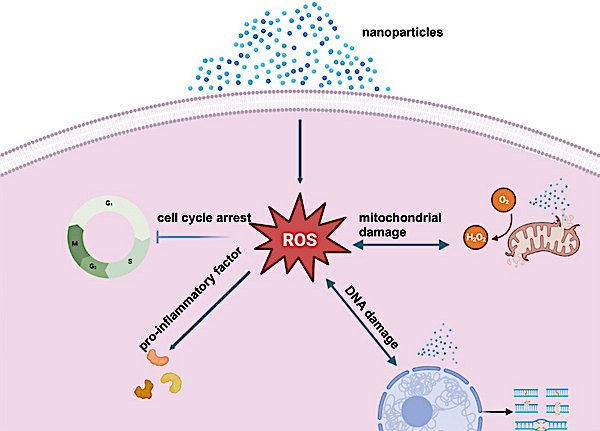
The toxicological mechanisms of NPs often involve the generation of reactive oxygen species (ROS), leading to oxidative stress and mitochondrial damage, which can result in reduced ATP production and apoptosis. NPs can also induce inflammation and cause DNA damage, leading to genetic alterations and potentially cancer. Furthermore, NPs can interfere with the cell cycle, causing arrest and potentially leading to uncontrolled cell division if DNA damage is not repaired. Finally, NPs can influence epigenetic regulation, altering gene expression without changing the DNA sequence, which can affect cellular function and activity.
Environmental Hazards
Cloud seeding introduces potentially harmful chemicals, specifically silver iodide, into the atmosphere. While some claim minimal evidence of harm, the long-term environmental effects are uncertain. These particles can spread and pollute the atmosphere.
A significant climate implication is the concern about carbon dioxide masking. If pre-industrial cloud cover was higher than previously thought, the masking effect of clouds (reflecting sunlight back into space, causing a cooling effect) might have been overestimated, impacting climate projections. This suggests that manipulating cloud cover could have unforeseen consequences on global climate regulation.
While cloud seeding offers a potential solution for water scarcity, particularly in arid regions, the scientific process is “engulfed with a complex web of risks and health uncertainties”. The disadvantages, including potential human health hazards from silver iodide and broader environmental and climate implications, necessitate rigorous research, transparency, and careful consideration of these risks before widespread implementation.
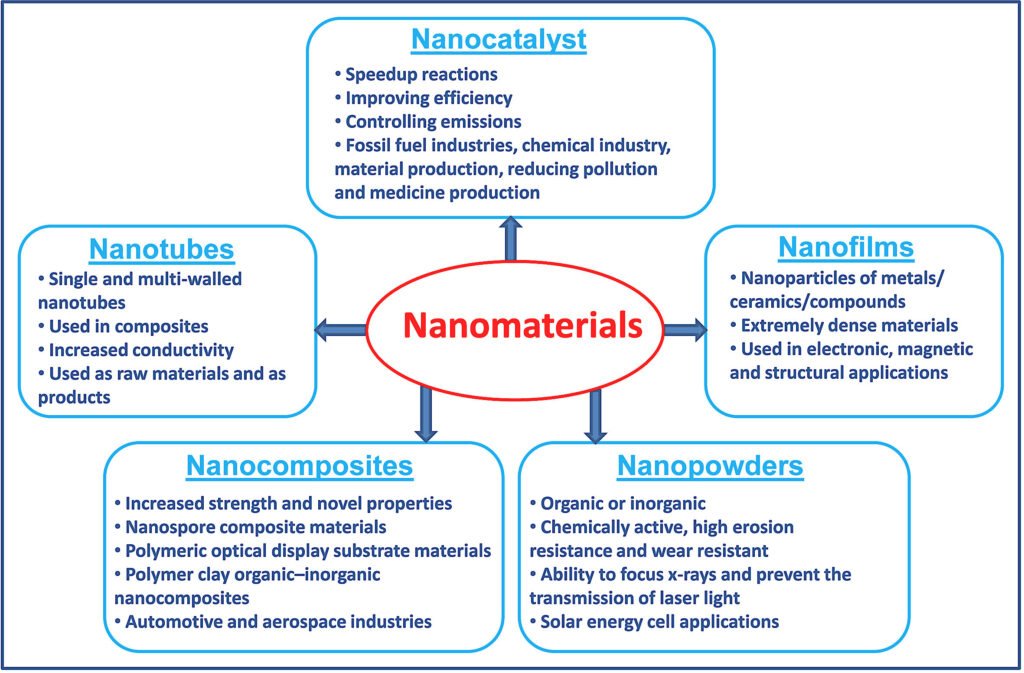
Nanomaterials: types and potential
Nanomaterials/nanoparticles/nanostructures, due to their nano size (approximately 1–100 nm) exhibit extraordinary physical, chemical and biological properties. Nanotechnology deals with the design, production, manipulation and application of nano structured materials. The broad categories of advanced nanomaterials (viz. super, smart, active and swarms nanomaterials) and their potential have been summarized in the following subsections.
1. Super nanomaterials
Super nanomaterials are also called nano pure i.e. each atom is at its perfect geometry. These materials are very strong and defects free that could be further improved using nano engineering. Examples of super nanomaterials are wings of aircraft and diamond bolts.
2. Smart nanomaterials
Smart materials called smart as they can respond to any signal/command. These materials are capable of changing size, shape, color, density or any physical property. Smart paints are able to change the refraction of light by rearranging the atoms and are good example of smart nanomaterials.
3. Active nanomaterials
Active nanomaterials consist of sensors, actuators and computers. By using these components the active nanomaterials can check out its environment, tract a change and respond.
4. Swarms of nanomaterials
Swarms composed of various nanomachines that work collectively to fulfill a specific goal. Swarms come under the category of active nanomaterials.
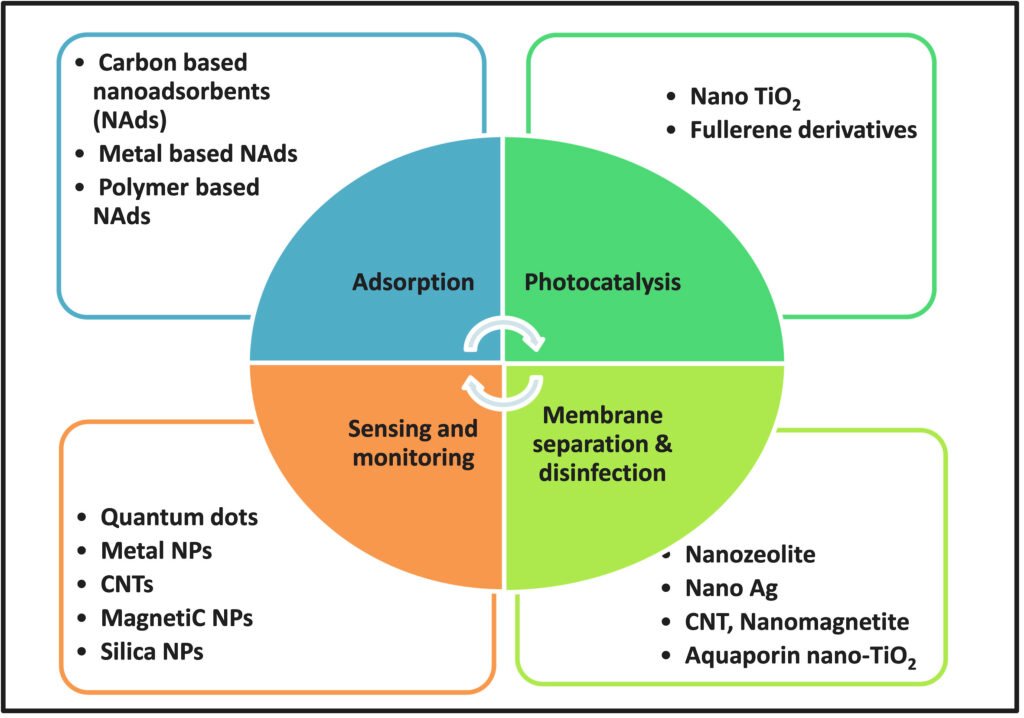
There are numerous examples of nanomaterials according to their nature and applicability. Some common types of nanomaterials used are listed with their major applications and utilities.
| Nanoparticle Type | Function | Key Features |
|---|---|---|
| Titanium dioxide (TiO₂) nanoparticles | Act as CCN or INP | High surface area; hydrophilic; can be doped for better performance |
| Graphene oxide (GO) nanosheets | Water attraction and charge-based nucleation | High surface reactivity |
| Silicon dioxide (SiO₂) nanoparticles | Condensation nuclei | Stable and less toxic |
| Silver iodide (AgI) nanocrystals | Ice nucleation | Same as traditional agent, but more efficient at nanoscale |
| Carbon-based nanoparticles | Absorb sunlight to heat air (used for localized convection) | Can influence cloud dynamics indirectly |
Ref:
- A comprehensive landscape of the applications of NPs and their toxicity on health. [ https://pmc.ncbi.nlm.nih.gov/articles/PMC10349198/ ]
- Water Scarcity and Artificial Rainfall: The Positive and The Negative Effects of Cloud Seeding, including Health Hazards and Climate Implications. [ https://www.climatechangewriters.com/stories/water-scarcity-and-artificial-rainfall-the-positive-and-the-negative-effects-of-cloud-seeding-including-health-hazards-and-climate-implications ]
- Delhi Launches Cloud Seeding to Combat Pollution. [ https://www.gktoday.in/delhi-launches-cloud-seeding-to-combat-pollution/ ]
- https://aaronsantos.substack.com/p/can-nanotechnology-control-weather
- India hopes cloud seeding can wash away deadly smog. [ https://phys.org/news/2023-11-india-cloud-seeding-deadly-smog.html]
- What is cloud seeding?: Delhi to see its first-ever artificial rain to combat air pollution in July – all you need to know. [ https://timesofindia.indiatimes.com/city/delhi/what-is-cloud-seeding-delhi-to-see-its-first-ever-artificial-rain-to-combat-air-pollution-in-july-all-you-need-to-know/articleshow/122154999.cms]
Also Read: