

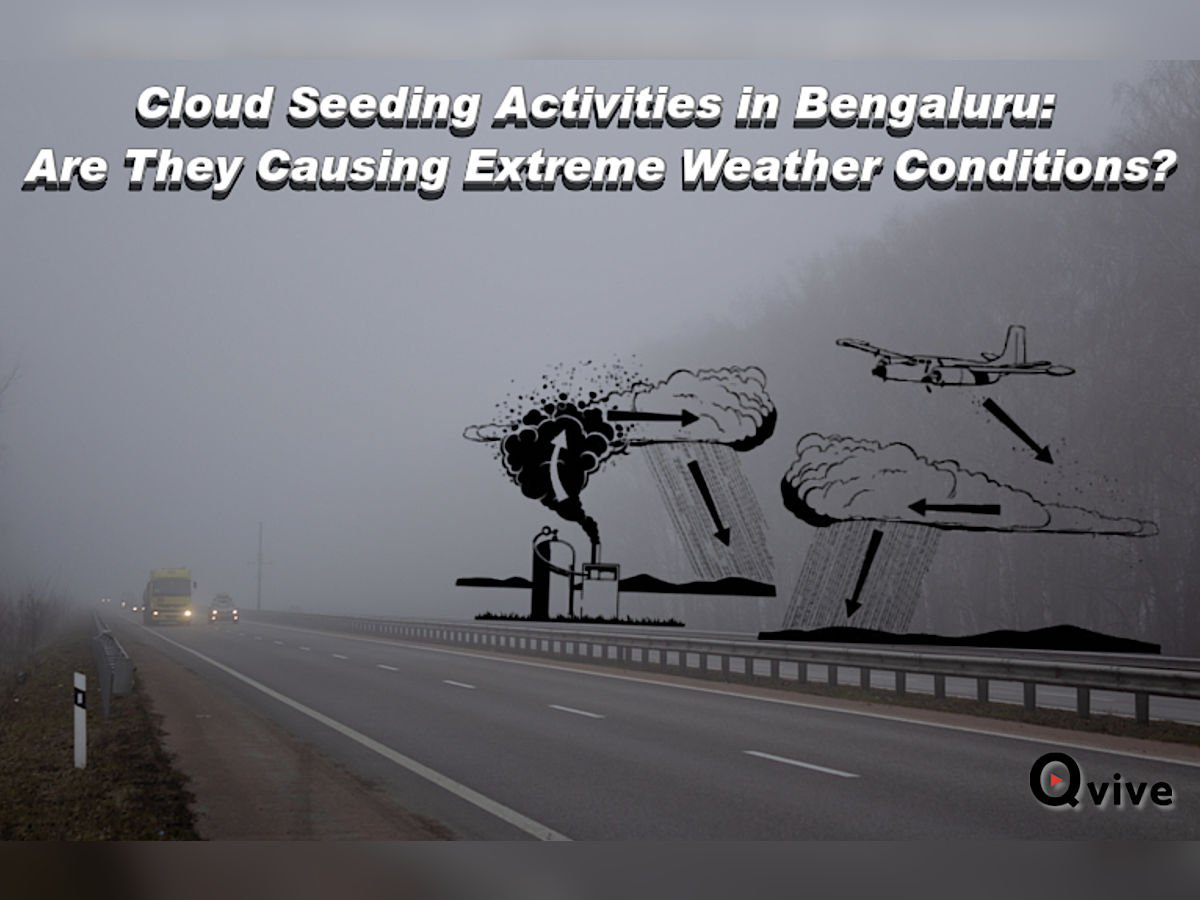
The month of January has brought about a mix of cold and hot waves in Bengaluru, prompting many to consider weather modification. Residents and researchers are closely monitoring cloud seeding efforts, especially with extreme weather conditions and respiratory issues plaguing the city. But are these problems truly a result of weather modification?
Back in September 2024, the Government of India announced ‘Mission Mausam,’ an initiative aimed at managing weather experiments such as rain, lightning, and hail over the next five years. This project, which takes a big risk, has support from the government and is trying to tackle climate issues by changing the weather.
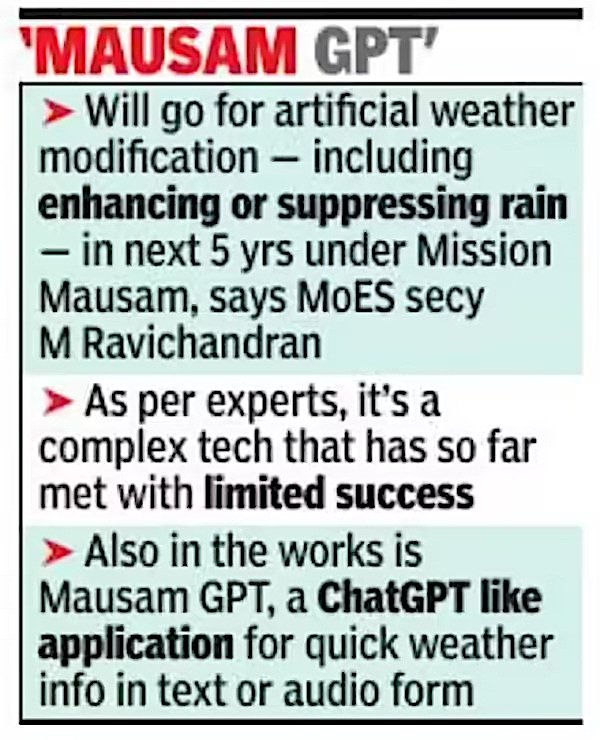
Lack of centralized data on weather modification in Karnataka
Surprisingly, a single, centralized, structured public dataset of all cloud seeding activities in Karnataka from 2000 to the present is not available to the public. The data is fragmented across various academic research papers, government reports, and news articles, making it challenging for the public to access specific operational details.
Characteristics of Karnataka Data
- Data Availability: Specific operational data, like exact dates of sorties and amount of agents used, is primarily held by organizations like the Karnataka State Natural Disaster Monitoring Centre and research bodies, rather than in an accessible public dataset.
- Evaluation Reports: Scientific journals have published papers assessing the impact of cloud seeding projects, suggesting a significant increase in rainfall in seeded areas. However, the raw dataset used for analysis remains undisclosed.
- Challenges: Projects have faced challenges such as a lack of suitable clouds to seed, debates over efficacy, and the absence of a national policy framework for weather modification.
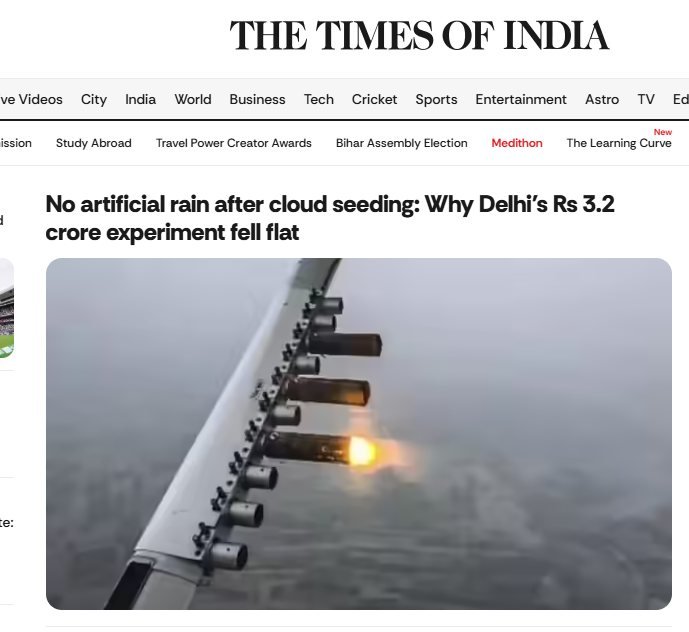
Cloud seeding: it is expensive, but there are no guarantees of gainshttps://t.co/iOmuXHrp4l@mohitmrao pic.twitter.com/tE5aBM1O2d
— The Hindu-Bengaluru (@THBengaluru) July 9, 2017
Final Thoughts : The lack of a centralized public dataset for cloud seeding activities in Karnataka raises concerns about transparency and accountability in weather modification practices. As Bangaloreans continue to experience extreme weather conditions and respiratory issues, it is crucial for relevant authorities to make relevant data accessible to the public for better understanding and analysis of cloud seeding operations.
Also Read: