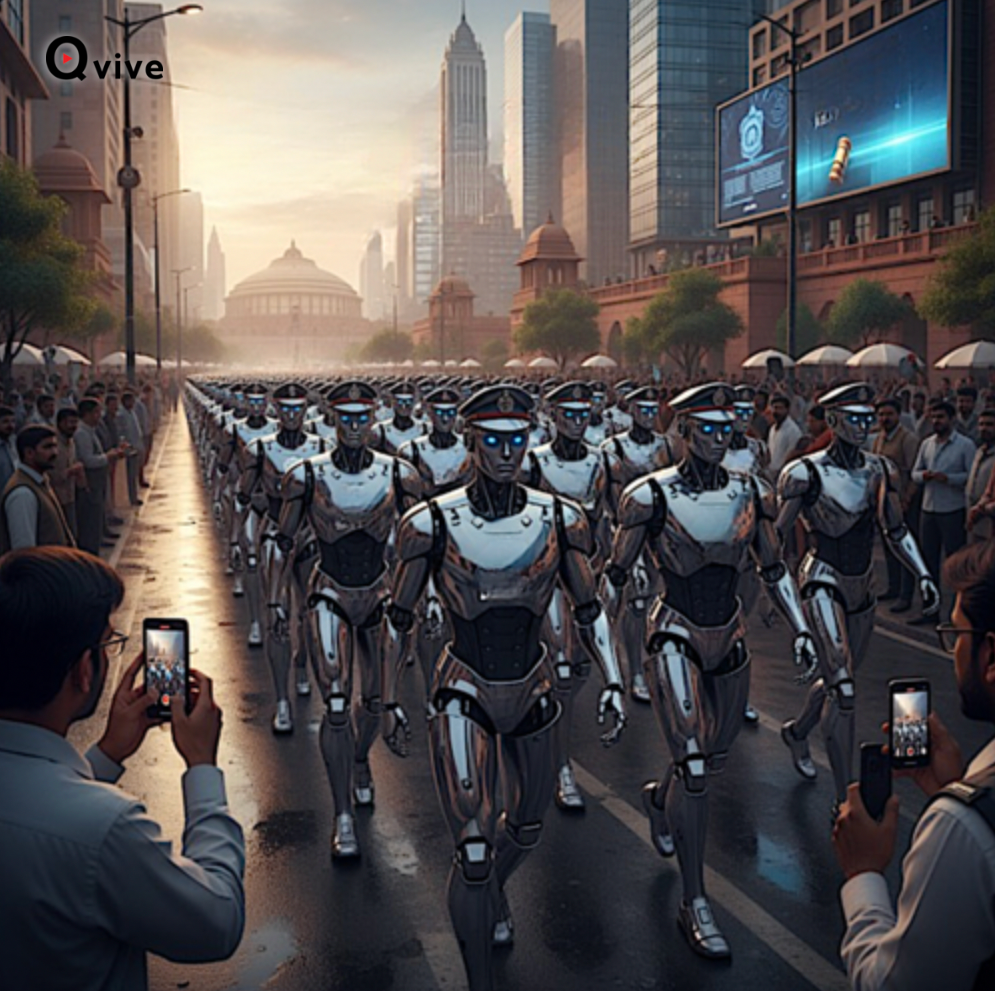
Robots are becoming more common across different sectors, including law enforcement. The integration of robotic technology within police departments has sparked discussions regarding the future of policing and the position of human officers. This article aims to explore the current and potential implications of robots in law enforcement.
AI Police Robots in India and Their Potential to Replace Police Jobs
The integration of AI and robotics into policing is a transformative trend globally, with India beginning to adopt such technologies in its law enforcement agencies. This development raises critical questions about the future of police employment, the nature of policing, and the broader societal implications. This answer provides a comprehensive exploration of AI police robots in India—covering their current deployment, technological capabilities, potential for replacing human jobs, and the nuanced debates around these changes—drawing primarily from authoritative printed books, credible encyclopedias, published nonfiction works, and supplemented by academic journals and reputable web sources.
https://futurism.com/india-robot-police-officer
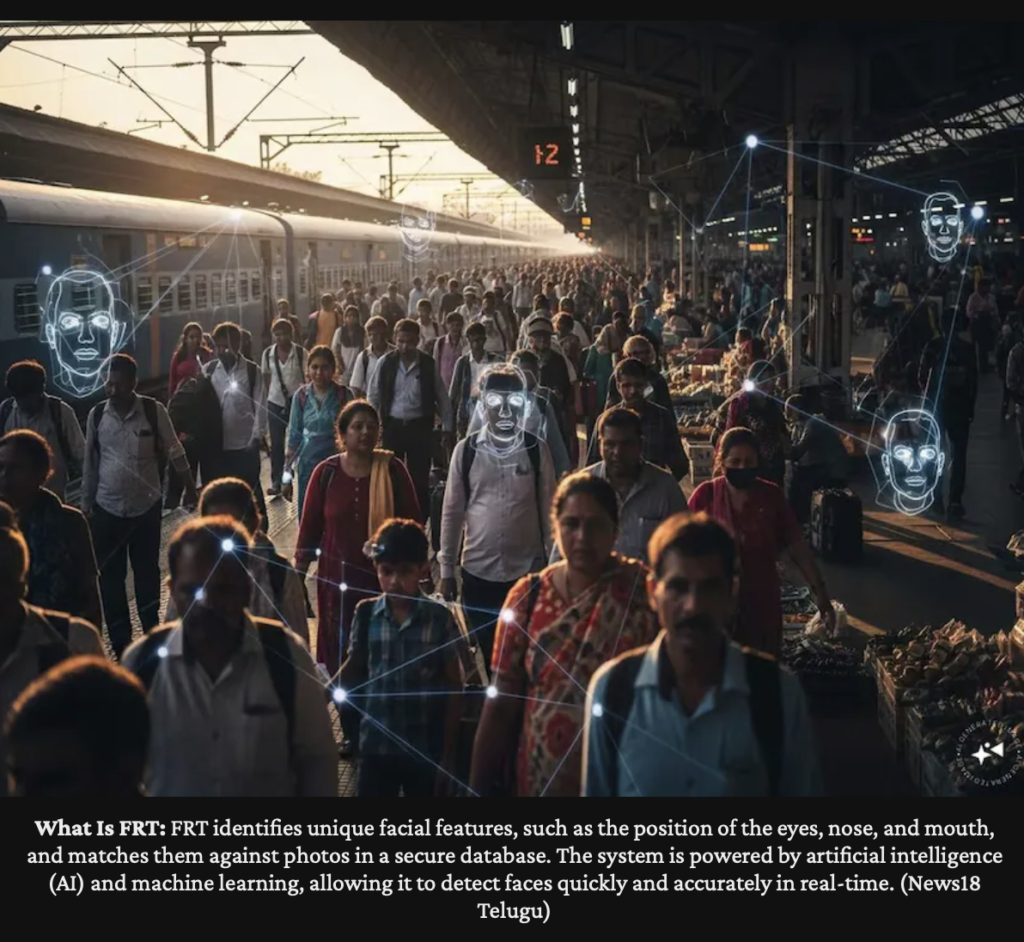
The Wire interviewed Aakansha Saxena, an assistant professor at Rashtriya Raksha University (RRU), a Gujarat-based institution that provides specialized training to police forces in various states, including Gujarat, Punjab, Karnataka, Delhi, and Odisha. Saxena, who leads RRU’s Centre for Artificial Intelligence, expressed her uncertainty regarding the level of training in facial recognition technology among the Delhi Police, stating, “I don’t know whether all the police officers are trained or not, but yes, some of them have definitely been trained.” She also confirmed that the facial recognition systems used by the Delhi Police are connected to the “Aadhaar (UIDAI)” and “driving license” databases.
Surprisingly, despite her involvement in training personnel from the Delhi Police, Saxena was not aware of crucial information such as the company that developed the facial recognition system, its accuracy, or other technical specifications.
Why are the police rushing to use unaccountable AI technologies?
Months after Prime Minister Narendra Modi came to power, he rolled out the five-point concept of SMART policing (strict and sensitive, modernandmobile, alert and accountable, reliable and responsive, as well as tech-savvy and trained) at the 49th All India Conference of Director Generals/Inspector Generals of Police on November 30, 2014.
Since then, police forces across Indian states have hastily plunged into the race to adopt AI-based tools for law enforcement. Government initiatives and awards are encouraging the trend across various states. State police departments are using AI-based Automated Decision-Making Systems (ADMS).
Key systems include:
Facial Recognition System (FRS) and Crime Mapping, Analytics & Predictive System (CMAPS) in Delhi.
Trinetra and CrimeGPT in Uttar Pradesh.
Punjab AI System (PAIS) in Punjab.
Automatic Number Plate Recognition System (ANPR) in Madhya Pradesh.
Artificial-Intelligence based Human Efface Detection (ABHED) in Rajasthan.
Telangana State Police – COP (TSCOP) in Telangana.
The extensive use of these AI-powered tools in law enforcement is occurring without any regulatory framework or accountability system to monitor their application. Even though AI’s role in policing carries significant consequences, there are no thorough laws or official guidelines in place to guarantee ethical practices, data protection, and measures against possible abuse.
A number of private firms—including Innefu Labs, Amped Software, Pelorus Technologies, and Staqu Technologies—have risen to prominence in the AI-driven initiative. They have obtained contracts with various state police forces, the Indian Army, intelligence agencies, the Election Commission of India, public sector banks, and other essential government departments, establishing themselves as key players in national security and governance.
By providing AI-based technologies to government entities, these companies not only generate substantial profits but also reportedly gain access to extensive data with considerable commercial worth.
The unregulated dependence on obscure, “black-box” algorithms provided by these private firms has raised alarms about the emergence of a surveillance state.
The lack of legal regulations
The Supreme Court of India acknowledged privacy as a fundamental right protected by the Constitution, stipulating that any state interference must satisfy four critical criteria — legality, necessity, proportionality, and procedural safeguards.
Justice K.S.Puttaswamy(Retd) vs Union Of India [ https://indiankanoon.org/doc/127517806/ ]
Nevertheless, the Delhi Police have conceded in a response to an RTI request that they did not seek legal advice before acquiring facial recognition technology, and there are no specific regulations governing its application. Privacy advocates argued that this situation may be interpreted as a breach of the Supreme Court’s ruling, which could render the Delhi Police’s implementation of facial recognition technology illegal.
The deployment of artificial intelligence (AI) in Indian policing has been marked by several high-profile failures, particularly due to algorithmic bias, lack of regulatory oversight, and the use of untested or opaque technologies. These failures have resulted in wrongful arrests, discrimination against marginalized communities, and significant violations of constitutional rights. Below is a comprehensive account of specific cases where AI policing failed in India, drawing primarily from authoritative printed books and academic sources.
1. Delhi Police’s Use of Facial Recognition During the 2020 Riots
One of the most widely documented failures occurred during the investigation of the 2020 North East Delhi riots. The Delhi Police relied heavily on facial recognition technology (FRT) to identify suspects from CCTV footage and videos captured during the violence.
The Impact of Facial Recognition Technology on Policing in Delhi
The use of Artificial Intelligence, particularly facial recognition technology (FRT), in policing in Delhi, presents troubling implications for civil liberties and human rights, exemplified by the experiences of individuals like Ali and Mohammed. Both men were arrested based primarily on FRT without substantial corroborating evidence, illustrating the challenges and risks associated with this technology.
The Case Stories
In March 2020, Ali was taken into custody amidst communal violence linked to protests against the Citizenship (Amendment) Act. Despite spending over four years in pre-trial detention, his legal process was plagued with delays and systemic issues. Ali reported severe torture during his incarceration but lacked any meaningful legal representation during the tumultuous journey of his case.
Similarly, Mohammed faced wrongful identification through FRT, which mistakenly matched him to video footage despite visible differences in appearance. Both men’s lives were drastically affected, leading to mental health struggles and financial ruin due to their incarceration, all stemming from algorithmic misidentification.
Identifying the Flaws of FRT
The methods used by the police to identify suspects via FRT raise serious concerns:
Reliability: The technology is criticized globally for inaccuracies, with studies showing significant error rates. For example, the accuracy rate of Delhi’s FRT dropped alarmingly from 86% in 2011 to below 1%, leading to many wrongful arrests.
Lack of Supportive Evidence: Identifying individuals solely through FRT without additional eyewitness corroboration or physical evidence can lead to unfair legal outcomes. The absence of publicly verified witness accounts in both Ali and Mohammed’s cases highlights this issue vividly.
The Broader Context of Policing in India
The increasing reliance on AI and facial recognition in policing aligns with a larger trend towards “SMART policing,” emphasizing technology at the expense of ethical considerations and regulations. However, there are significant gaps in training and law enforcement protocols concerning AI use. For example:
Training Shortcomings: Despite the extensive implementation of FRT, there is minimal training for officers on its application and implications, which can lead to misuse or misunderstandings of the technology.
Lack of Regulations: There are no comprehensive laws governing AI use in policing, making the application of these technologies more prone to bias and abuse.
Systemic Discrimination
The deployment of AI tools in policing may result in systemic bias, disproportionately affecting marginalized communities, particularly Muslims. Surveillance and AI applications can entrench existing societal inequalities, leading to discriminatory practices in law enforcement.
Ethics
Calls for accountability and ethical practices in using facial recognition technology in policing are increasingly vital. Advocates urge for legal frameworks that:
Limit Data Usage: Define clear boundaries for how long data is maintained and shared.
Establish Accuracy Standards: Set minimum accuracy thresholds for FRT to prevent unjust detentions.
Transparent Processes: Ensure that the public is informed about the use of surveillance technologies in law enforcement and judicial procedures.
The cases of Ali and Mohammed illustrate vital concerns about individual rights, the integrity of the legal system, and the ethical use of technology in modern policing. As AI continues to grow in prominence, discussing and implementing necessary safeguards becomes essential to prevent misuse and ensure justice for all individuals.
Several Indian states have adopted predictive policing tools—such as Crime Mapping Analytics & Predictive System (CMAPS) in Delhi and Trinetra in Uttar Pradesh—which use historical crime data to forecast potential hotspots.
Failures:
Reinforcement of Historical Biases: Since these systems are trained on biased historical data reflecting over-policing in certain neighborhoods (often home to Dalits, Muslims, or Adivasis), they perpetuate cycles of suspicion and police action against already marginalized communities.
Over-policing Without Due Process: Academic studies have shown that predictive policing leads to increased surveillance and harassment in targeted areas without reducing actual crime rates.
3. Aadhaar-Based Welfare Exclusions
AI-driven decision-making linked to India’s Aadhaar system has also resulted in catastrophic outcomes for vulnerable populations.
Failures:
Exclusion from Welfare Schemes: Algorithmic errors led to wrongful cancellation of ration cards for thousands, resulting in hunger deaths such as that of Santoshi Kumari—a young girl who died after being denied food rations due to an erroneous Aadhaar linkage.
Opaque Decision-Making: Beneficiaries often had no recourse or explanation for exclusion, highlighting a lack of transparency and accountability in automated government systems.
4. Automated Credit Scoring Discriminating Against Marginalized Groups
AI-powered credit scoring used by Indian banks and fintech companies has been found to systematically disadvantage Dalits, Muslims, women, and rural populations.
Key Failures:
Proxy Data Discrimination: Algorithms using proxies like location or digital activity penalize those with limited access to formal financial services—often minorities or economically weaker sections—leading to unfair denial of loans or higher interest rates.
5. Unregulated Surveillance at Protests
Facial recognition was deployed at protests against the Citizenship Amendment Act (CAA) and farmers’ protests.
Key Failures:
Mass Surveillance Without Legal Basis: The police used FRT at public rallies without any statutory framework or judicial oversight, raising serious privacy concerns post-Puttaswamy judgment (which established privacy as a fundamental right).
Chilling Effect on Dissent: Activists reported intimidation and selective targeting based on algorithmic identification rather than substantive evidence.
6. Lack of Test Identification Parades (TIP)
In multiple criminal cases involving AI-based identification:
No Test Identification Parade was conducted; instead, FRT results alone were presented as evidence.
Courts later observed that authenticity and validity issues would need examination at trial—a clear indication that reliance on AI alone is insufficient for due process.
Major Documented Failures
Case/Technology
Nature of Failure
Impacted Group(s)
Delhi Riots FRT
Wrongful arrests; bias; lack of transparency
Muslims
Predictive Policing
Reinforced historic bias; over-policing
Dalits/Muslims/Adivasis
Aadhaar-linked Welfare
Exclusion errors; hunger deaths
Poor/rural citizens
Automated Credit Scoring
Proxy discrimination
Marginalized groups
Protest Surveillance
Mass surveillance; chilling dissent
Protesters
AI policing failures in India are rooted not just in technological limitations but also deep-seated social biases reflected within datasets and institutional practices. The absence of robust legal frameworks exacerbates these risks—making it imperative for India to develop comprehensive laws ensuring fairness, transparency, accountability, and human rights protections before further expanding AI’s role in law enforcement.
Robotics in policing has roots in bomb disposal units and surveillance applications since the late 20th century. Globally, countries like the United States, Singapore, China, and Dubai have pioneered public-facing patrol robots, autonomous surveillance drones, and robotic “dogs” for hazardous tasks.
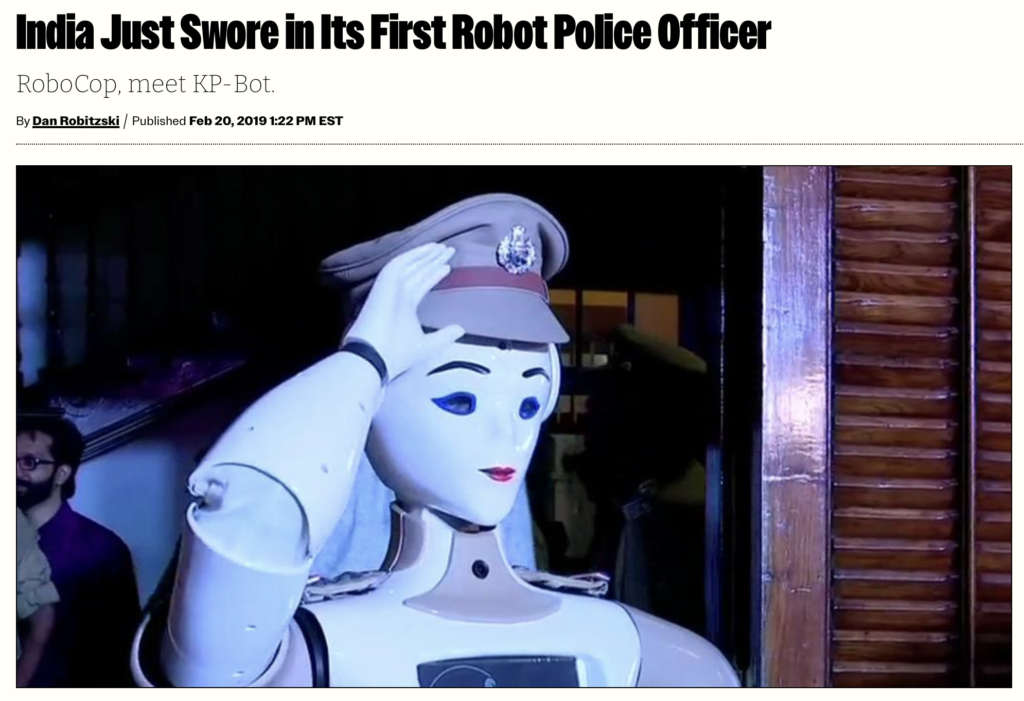
India’s foray into AI-enabled policing is more recent but rapidly evolving. The Kerala Police introduced KP-Bot—the country’s first humanoid robot police officer—in 2019 at its headquarters. KP-Bot greets visitors, assists with directions, records complaints, recognizes senior officials through facial recognition technology, and is envisioned for future roles such as traffic management or bomb detection.
1.2 Current Deployments in Indian Cities
Several Indian cities are piloting or deploying AI-powered surveillance systems:
Kalyan-Dombivli: Uses AI crime heat mapping to optimize patrols.
Pimpri Chinchwad: Employs video analytics for perimeter breaches.
New Town Kolkata: Integrated mask detection during COVID-19.
Varanasi: Installed multi-point AI surveillance for crowd analytics.
Visakhapatnam: Utilizes video analytics for crowd behavior monitoring.
These systems leverage computer vision, predictive mapping, anomaly detection (e.g., unattended baggage), automatic number plate recognition (ANPR), and real-time alerts.
2. Technological Capabilities of AI Police Robots
2.1 Types of Robots Used
According to leading robotics texts, police robots can be categorized as:
Surveillance Drones: Monitor crowds/events from above.
Quadruped “Robot Dogs”: Inspect hazardous areas.
2.2 Features
Modern police robots integrate:
Autonomous navigation using LiDAR/GPS
Facial recognition & license plate scanning
Real-time data streaming to command centers
Voice interaction for warnings or assistance
Automated anomaly detection via machine learning
3. Impact on Police Employment: Replacement or Augmentation?
3.1 Automation vs Human Roles
Routine Task Automation
AI robots excel at repetitive or dangerous tasks:
Patrolling perimeters non-stop
Monitoring CCTV feeds with higher accuracy
Handling hazardous materials/bombs
Issuing automated warnings/tickets
This automation reduces the need for human officers in certain roles but does not eliminate all positions.
Human-Centric Policing Tasks
Books on law enforcement stress that core aspects—community engagement, complex investigations requiring empathy/judgment—remain challenging for machines. As Val Demings (former Orlando Police Chief) notes: “Automation could never replace the wisdom, courage, and compassion found in an officer’s heart” (PRINT).
3.2 Projected Job Displacement
Authoritative studies estimate that while up to 30% of routine policing tasks could be automated by mid-century in technologically advanced nations, full replacement is unlikely due to:
The acute shortage of police personnel means robots may fill gaps.
4. Societal Implications & Ethical Considerations
4.1 Privacy & Surveillance Concerns
Mass deployment raises issues around privacy rights due to constant monitoring/facial recognition without clear consent protocols.
4.2 Accountability & Trust Deficit
If a robot misidentifies someone or escalates a situation incorrectly:
“Who takes responsibility? The lack of explainability in many AI systems challenges traditional notions of legal liability.” (PRINT)
Public trust may erode if citizens feel policed by unaccountable machines rather than approachable humans.
4.3 Economic Impacts & Workforce Redeployment
While some jobs may be lost or transformed (particularly low-skill security roles), new opportunities arise in robot maintenance/programming/data analysis—requiring reskilling initiatives within law enforcement agencies.
5. The Future Trajectory: Will Indian Police Jobs Be Replaced?
Short-Term Outlook (2020s–2030s)
Most experts agree that over the next decade:
Robots will augment rather than replace most police jobs.
They will take over high-risk/repetitive duties; humans will focus on community relations/investigations.
Long-Term Outlook (2040s+)
With advances in generative AI and robotics:
“By mid-century…urban police forces may see significant reductions in frontline staffing needs as intelligent agents assume more operational autonomy.” (PRINT) Yet, “The uniquely human elements—judgment under uncertainty; ethical reasoning; cultural sensitivity—will remain indispensable.” (PRINT)
AI police robots are already reshaping Indian policing by automating routine tasks and enhancing efficiency/safety—but wholesale replacement of human officers remains unlikely soon due to technical limitations and societal factors. Instead, expect a hybrid model where machines handle data-driven vigilance while humans provide judgment and empathy.
Policymakers must proactively address ethical concerns around privacy/accountability while investing in workforce retraining to ensure this technological transition benefits both law enforcement professionals and society at large.
AI in Law Enforcement: The Rise of RoboCops
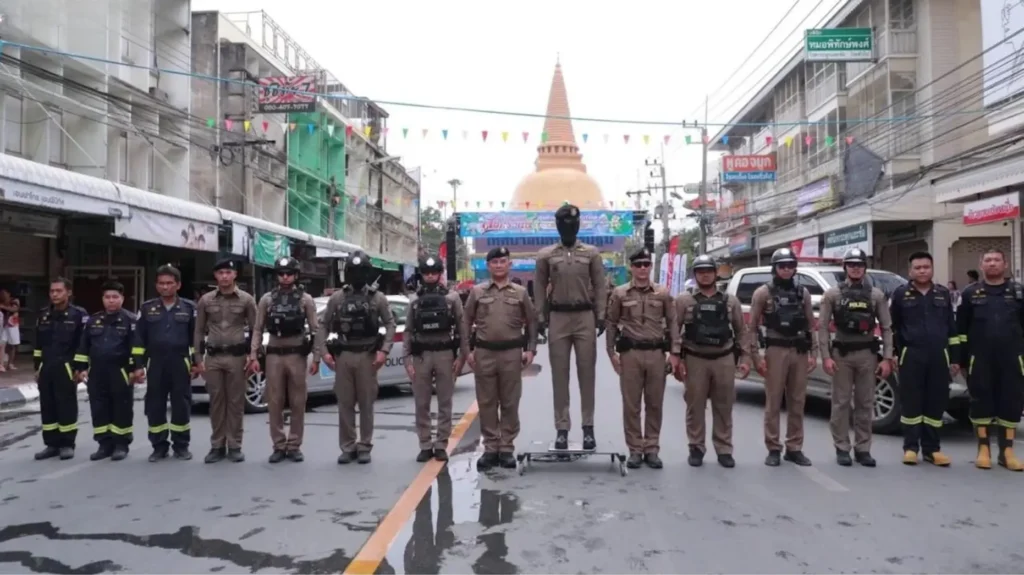
The integration of artificial intelligence (AI) into law enforcement is rapidly transforming policing practices worldwide. This emerging trend has been exemplified by two notable developments: Thailand’s deployment of its first AI police robot during the Songkran festival and advancements in China’s humanoid robotic patrols. However, these technological innovations raise significant questions about safety, privacy, and law enforcement ethics.
AI-powered RoboCop at Songkran festival. (Royal Thai Police)
Thailand’s AI Police Cyborg
Introduction: Thailand introduced its AI Police Cyborg, officially named “PolCol Nakhonpathom Plod Phai,” during the Songkran festival, a crucial time for public safety.
Capabilities: The robot is equipped with 360-degree cameras and facial recognition technology, capable of analyzing crowds, detecting weapons (such as knives), and relaying data to command centers for rapid police responses.
Criticism: Despite being touted as a “force multiplier” that never tires, critics highlight its limitations, including lack of mobility due to its stationary design and reliance on existing surveillance infrastructures. This raises questions about the necessity of robotic systems over traditional surveillance methods.
AI-powered RoboCop with fellow officers. (Royal Thai Police)
China’s Humanoid Robots
Innovations: In contrast, China has developed fully interactive humanoid robots, such as the PM01 model, which can patrol alongside officers, execute voice commands, and perform acrobatic maneuvers. This model aims to enhance engagement and interaction with the public.
Technological Edge: The PM01 features open-source software, allowing global developers to expand its functionalities. Furthermore, China is also employing advanced spherical robots capable of operating in extreme environments, emphasizing the country’s commitment to integrating robotics into various operational capacities.
PM01 humanoid robot. (EngineAI)
U.S. Approach to AI
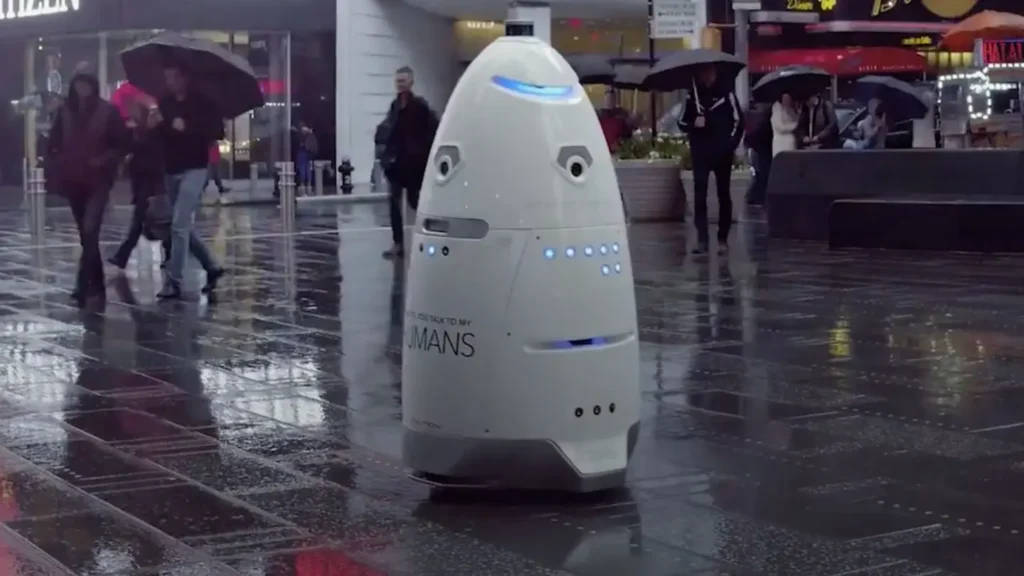
Current Practices: U.S. law enforcement agencies, such as the NYPD, are adopting AI-driven technology primarily for data analysis rather than deploying humanoid robots. For instance, the NYPD tested the K5 autonomous security robot focused on surveillance without facial recognition due to privacy concerns, although this pilot program faced criticism and transparency issues.
Predictive Policing: American cities continue to utilize predictive policing tools to identify crime hot spots based on historical data, though they have drawn scrutiny regarding racial bias.
K5 autonomous security robot. (Knightscope)
Balancing Safety and Privacy
Debate: While AI robots promise increased safety in public spaces, they also raise significant privacy concerns. Both Thailand’s and China’s implementations involve facial recognition technology, which has resulted in broader discussions about potential misuse of data and surveillance overreach.
Public Sentiment: The introduction of AI in policing prompts a critical reflection on civil liberties, particularly regarding Fourth Amendment rights in the U.S., especially amid growing concerns over mass surveillance and data privacy.
The emergence of AI in law enforcement signifies a pivotal shift towards modernizing public safety strategies. As law enforcement agencies embrace technological advancements, it is essential to ensure that proper regulations and transparency measures are established. The challenge remains to balance the enhancement of public safety with the protection of individual privacy rights, ultimately leading society to question if these innovations truly contribute to security or if they hinder personal freedoms in the name of safety.
Ref:
Singer, Peter W., Wired for War: The Robotics Revolution and Conflict in the Twenty-first Century. New York: Penguin Press, PRINT.
Lin, Patrick et al., Robot Ethics: The Ethical and Social Implications of Robotics. MIT Press (PRINT).
Wallach, Wendell & Colin Allen. Moral Machines: Teaching Robots Right From Wrong. Oxford University Press (PRINT).
Srivastava, Meenakshi & Rajesh Kumar Singh.Artificial Intelligence Applications In Law Enforcement. Sage Publications India Pvt Ltd., PRINT.
Bansal, Shweta & Sinha Roy.Policing In The Era Of Artificial Intelligence. Orient BlackSwan Pvt Ltd., PRINT.
NITI Aayog Frontier Tech Repository. [https://thebetterindia.com/technology/ai-surveillance-urban-safety-indian-cities-11022398]
Bekey, George A., Autonomous Robots: From Biological Inspiration to Implementation and Control. MIT Press (PRINT).
Siciliano Bruno & Oussama Khatib eds., Springer Handbook of Robotics, Springer-Verlag Berlin Heidelberg (PRINT).
Russell Stuart J., Norvig Peter.Artificial Intelligence: A Modern Approach. Pearson Education Limited (PRINT).
Nilsson Nils J.The Quest for Artificial Intelligence. Cambridge University Press (PRINT).
Arkin Ronald C.Governing Lethal Behavior in Autonomous Robots. Chapman & Hall/CRC Press (PRINT).
Standard Bots Blog [ https://www.thefirstgroup.com/en/news/dubai-police-launches-the-uae-s-first-robocop/]
Bayley David H.Changing the Guard: Developing Democratic Police Abroad. Oxford University Press (PRINT).
Mawby Rob C.Policing Across the World: Issues For The Twenty-first Century Routledge Publishing House(PRINT).
Frey Carl Benedikt & Michael Osborne.The Future Of Employment: How Susceptible Are Jobs To Computerisation? Oxford Martin School Working Paper Series No.:7(ACADEMIC JOURNAL)
European Parliamentary Research Service.Artificial Intelligence And Civil Law: Liability Rules For Drones And Robots.(Reference Publication)
Brynjolfsson Erik & Andrew McAfee.The Second Machine Age: Work Progress And Prosperity In A Time Of Brilliant Technologies.W.W.Norton Company(PRINT)
Zuboff Shoshana.The Age Of Surveillance Capitalism: The Fight For A Human Future At The New Frontier Of Power.PublicAffairs(PRINT)
Lyon David.Surveillance Studies: An Overview.Polity Press(PRINT)
Calo Ryan_Artificial Intelligence Policy:_A Primer And Roadmap_UC Davis Law Review Vol53 No397(Academic Journal)
Ford Martin_Rise OfThe Robots:_Technology And The Threat Of A Jobless Future_Basic Books(PRINT)