

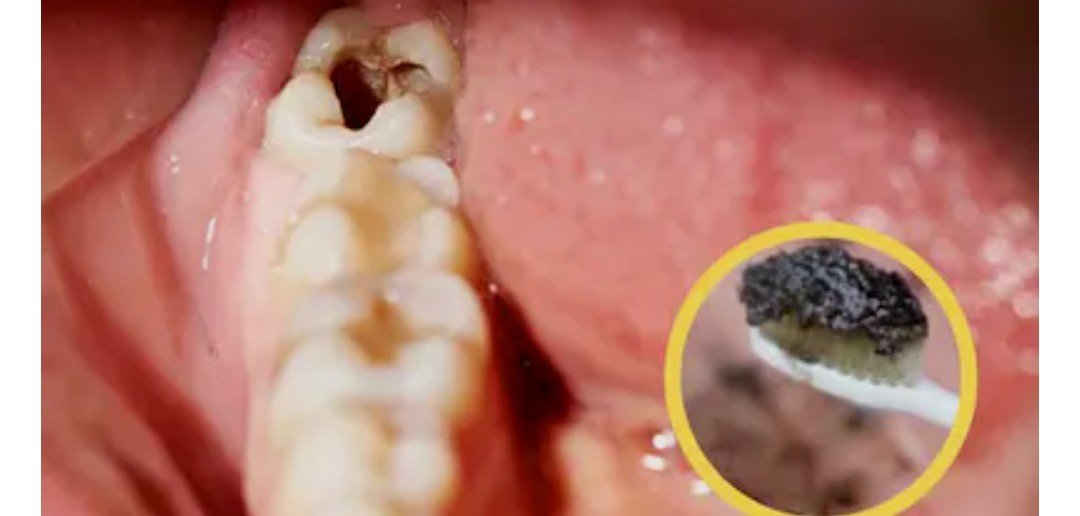
Treating children’s teeth for cavities isn’t easy. The dentist’s drill machine, the fear of injections, and the anxiety of young children can all create challenges for parents. In many cases, children must be sedated before treatment. However, a major study at the University of Michigan in the US has developed a technique that could significantly simplify this process.
According to researchers, a special liquid called silver diamine fluoride (SDF) can prevent cavities in baby teeth from developing without drilling or injections. This method could make treating young children’s teeth much easier in the future.
Silver diamine fluoride, also known as SDF, is a special liquid. Dentists apply it directly to the cavity using a small, sponge-like stick. It takes just a few seconds to apply to the entire tooth. It requires no drilling, no injections, and no anesthesia.
A Phase 3 clinical trial led by the University of Michigan, USA, included 830 children under the age of 6. All of these children had cavities in their baby teeth. Researchers applied 38% silver diamine fluoride to their teeth every 6 months. Results showed that cavities stopped progressing in more than half of the treated baby teeth. This means that tooth decay could be controlled without drilling or filling.
The silver in this liquid helps kill cavity-causing bacteria, while the fluoride strengthens the tooth and prevents further decay. However, it’s important to understand that this liquid does not fill cavities or restore a broken tooth; its function is only to prevent decay from progressing.
This method can be especially beneficial for very young children who are afraid of dentists or who find it difficult to access conventional treatment. It can also benefit children who cannot easily access a dentist.
One drawback of this treatment is that the area where the liquid is applied permanently darkens the decayed area. This means that while the cavity may stop progressing, the area of the tooth will no longer appear as white as before.
Furthermore, if the cavity is too advanced or the tooth is severely damaged, a filling may be necessary. However, for many children with initial or limited cavities, this method may be an easy alternative to drilling.
The strong data from this research could help the US Food and Drug Administration (FDA) officially approve silver diamine fluoride for cavity treatment. If this happens, cavity treatment for young children in the future could become easier, cheaper, and less painful than ever before.