

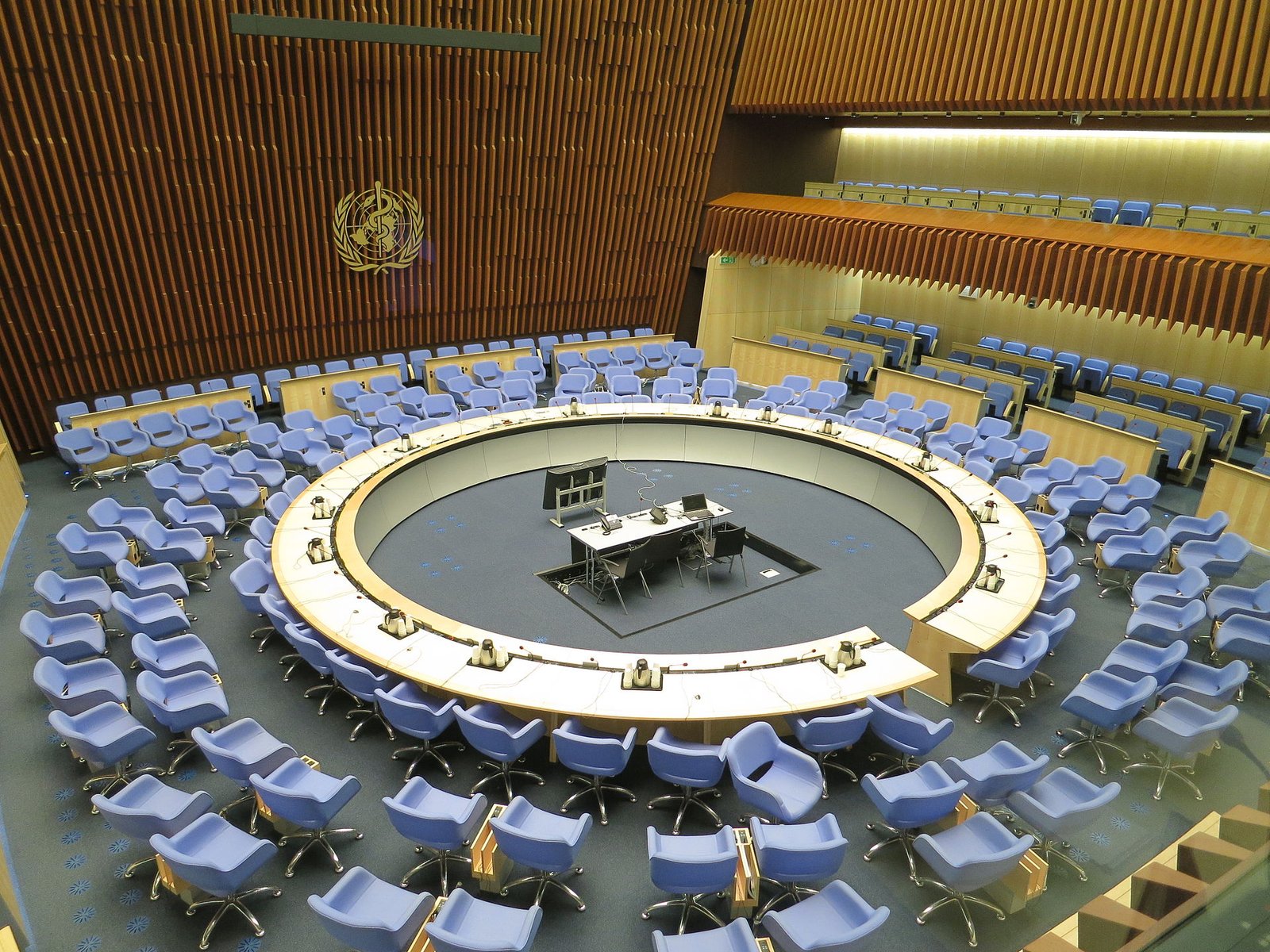
The Pandemic Response and Recovery All-Party Parliamentary Group has heard how, if adopted, the World Health Organization’s (WHO) proposed Pandemic Treaty and amendments to the International Health Regulations (IHR) risk handing the international advisory health body unprecedented powers to declare pandemics, lockdowns and mandate vaccines, with the force of international law.
Speaking to APPG members were Dr David Bell, a clinical and public health physician with a PhD in population health and former WHO scientific and medical officer, and Professor Garrett Wallace Brown, Chair in Global Health Policy at the University of Leeds and Director of the World Health Organization Collaborative Centre on Health Systems and Health Security.
According to Dr Bell, the two agreements, as currently drafted, will hand the WHO the authority to order measures including significant financial contributions by individual states, censorship of scientific debate, lockdowns, travel restrictions, forced medical examinations and mandatory vaccinations during a public health emergency of its own declaring.
He said: “The WHO was established in 1946 with the best of intentions, to help coordinate responses to major health issues and advise governments accordingly. Over the decades we have seen a significant change in direction as funding streams have shifted to private “specified funding”, particularly from private donors. This has led to the WHO becoming a far more centralised and externally-directed body in which private and corporate funders shape and direct programmes. What we have also seen shifting is the definition of a health emergency, making it extremely broad. It is a worrying background against which the IHR amendments and the Treaty are being negotiated.
“These pandemic instruments are founded on a fallacy regarding the frequency and impact of pandemics and would, if ratified, fundamentally change the relationship between the WHO and national governments and their citizens. Of particular concern are the amendments to the IHR which constitute a dangerous increase in power and authority bestowed on just one person. The Director General would be able to proclaim health emergencies, whether real or potential, on any health-related matter that they, influenced by their private and corporate funders, say is a threat. The WHO would be able to issue legally binding directions to member states and their citizens. In light of the catastrophic harms the WHO’s policies have caused during this pandemic, probably greater than the virus itself, the potential economic and health-related harms of such power cannot be overstated. There is a vast pandemic industry waiting for these buttons to be pushed and I am in no doubt that policymakers should reject WHO’s pandemic proposals.”
Professor Brown and his research team have been advising the WHO and others on the $31.1 billion a year plan for pandemic preparedness and whether it is defensible or even feasible.
He said: “The post-COVID policy environment has triggered a remarkable grab by various institutions to capture the pandemic preparedness and response agenda and its corresponding financial capacities. This raises concerns about the legitimacy of the policy processes in terms of the representativeness of the emerging pandemic preparedness agenda. One particular concern involves the $31.1B per year price tag, particularly the more than $24B a year required from low-and middle income countries. The concern is whether this number is appropriate or even feasible. Nations need to be able to address their individual public health needs, to encourage better population health and resilience and the sort of sums they will be required to contribute to pandemic preparedness could threaten to divert resources from where they are most needed. We already saw this happen during the pandemic and there is evidence to suggest this has continued.
“For example, tracking Overseas Development Aid (ODA) for health from 2019 to the present shows that vital and established preventive public health programmes have suffered globally as a result of policy shifts to COVID and post-COVID pandemic preparedness and response (PPR). Evidence shows that malaria, tuberculosis, HIV, AIDS, reproductive health and non communicable diseases have been impacted by resource shifting. ODA saw a 34% decrease in funding for basic health and a 10% decrease for basic nutrition in developing countries. The fear is that emerging pandemic preparedness instruments will be a continuation of this trend, which will have significant population health effects.
“There is also concern about how the $31.1B number was generated and by whom. Although my research team worked on the raw data with the WHO, we were not part of the analysis nor do we fully know how the final analysis was done. It is important to note that the process for determining the $31.1B number was done very quickly (six to eight weeks) and without consistent methods, particularly between different institutions who were offering their estimates (World Bank, G20, WHO, McKinsey, etc). This raises questions about how accurate the $31.1B number is and if it truly reflects actual national and global PPR needs. As a result, at the minimum, there is a need to better justify those numbers and to assure that we are properly financing what is actually needed and not merely adding to donor fatigue by demanding astronomical amounts. To put this amount into context, the total operating budget for the Global Fund, which is responsible for AIDS, malaria and tuberculosis, which are three of the biggest communicable diseases, is around $4B a year.
“Consequently, the $31.1B a year is a huge opportunity cost, one that needs proper contextualization, reflection, debate, evidencing and justification. We’ve already seen the real world impact on people of misguided pandemic preparedness. It is understandable to have processes in place that help prepare for pandemic threat. Yet, these measures need to be fit for purpose. Doing that will require significant reflection, the identification of need from a wide array of stakeholders, and properly vetted evidence. At the moment, this broader deliberation has been stunted and in my opinion remains untenable.”
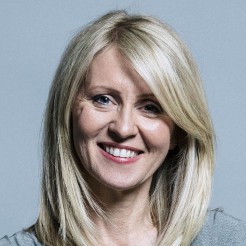
Listening to the speakers, Pandemic Response and Recovery APPG Co-Chair Esther McVey said: “In April, I spoke at the Westminster Hall debate on this topic on much more parliamentary scrutiny and debate is needed. As the Covid-19 Inquiry begins to hear evidence, how we prepare for future pandemics must be carefully considered. We have heard concerns about the expansion of the WHO’s powers, the encroachment on national sovereignty and the rights of the individual and the sheer cost of the plans. These are vast amounts of public money to prepare for pandemics when we have a proportional, evidence-based pandemic plan, formulated to prevent the avoidable suffering and loss we have now experienced. The government abandoned those plans in early 2020, despite knowing the likely outcomes.
“The Treaty and IHR amendments could cement a disastrous approach to future pandemics. It seems unwise to give an unelected and largely privately-funded supranational body, power over sovereignty and individual rights with seemingly no oversight. My constituents are concerned, not least because the WHO has a poor track record when it comes to pandemics. I question whether we want to hand such authority to the WHO, whose focus in recent decades has moved away from its laudable founding principles, to blunt instruments such as lockdowns and a one-size fits all approach to public health with the terrible consequences we are now seeing.”
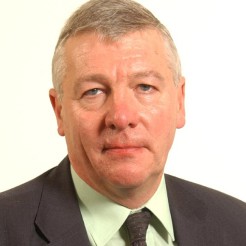
Pandemic Response and Recovery APPG Co-Chair Graham Stringer MP said: “I am opposed to these plans as they could represent a huge expansion of the WHO’s powers, to the detriment of public health. The authority it could gain would surely pressure countries into complying with diktats of their choosing. We saw the unaccountable and extreme influence of China on the WHO when it refused to investigate the Wuhan laboratory and the origin of SARS-CoV-2. It’s also worrying to see the increase in commercial interests within the WHO.
“We experienced the WHO’s unscientific volte face on mask wearing, despite there being no strong evidence that they had suddenly become effective. It was an entirely political decision, much like many of the decisions taken by the UK government, often in the absence of any real parliamentary scrutiny. We appear to have learnt nothing from that experience, in terms of both the eye watering cost and the vast collateral damage, which the Treaty and amendments seem set to enshrine in the WHO’s principles. If these plans come to be, we would be handing over powers to an organisation with less clinical and scientific expertise than our own.
“It may not be clear how the WHO will enforce these powers but we know the potential is there as we lived through it, and not just with covid but also swine flu previously. The ease with which unelected bureaucrats can dictate damaging public health policy and erode democracy, civil liberties and individual rights is something we never want to happen again. This is why these plans demand robust debate, and an open review in Parliament and in public. As Sweden did during the pandemic, and is an example to us all, we must make our own decisions about how we manage public health threats in this country.”
Biographies of the speakers:

Dr David Bell is a clinical and public health physician with a PhD in population health and background in internal medicine, modelling and epidemiology of infectious disease. He has worked in global health and biotech for the past 20 years. Previously, he was Director of the Global Health Technologies at Intellectual Ventures Global Good Fund in the USA, Programme Head for Malaria and Acute Febrile Disease at FIND in Geneva, and worked in infectious diseases and coordinated malaria diagnostics strategy at the World Health Organization. He currently consults in biotech and international public health, and is a senior scholar of the Brownstone Institute.
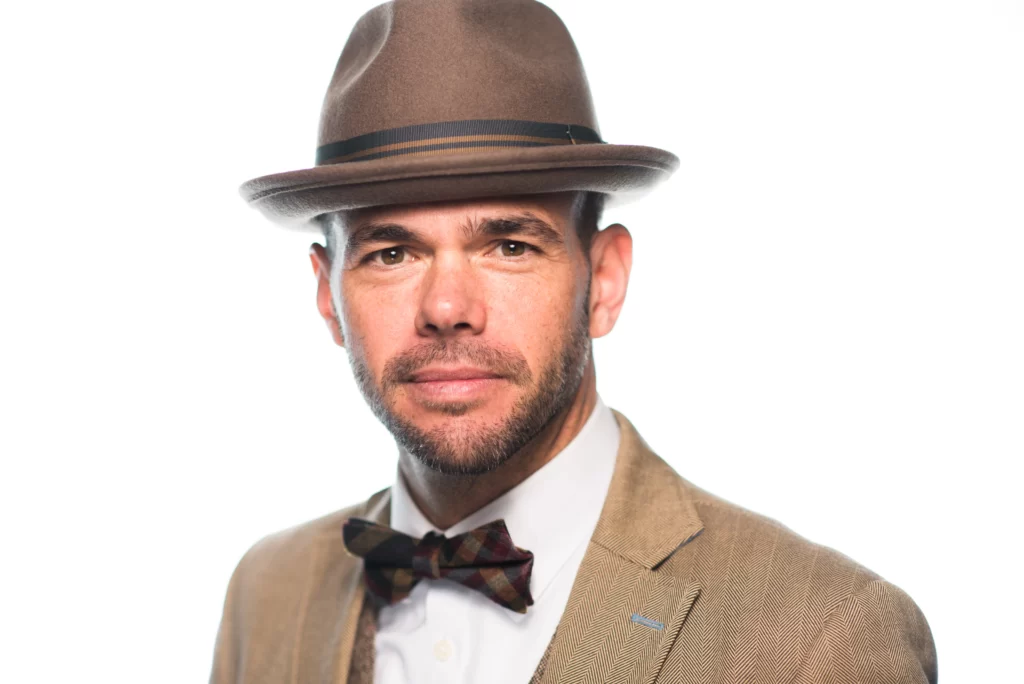
Professor Garrett Wallace Brown is Chair in Global Health Policy at the University of Leeds and Director of the World Health Organization Collaborative Centre on Health Systems and Health Security. He has conducted research in global health for over 20 years, with specialisms in global health financing, health economics, health system strengthening in African contexts, global health security, and pandemic preparedness. He has acted as a global health policy expert at the Government of Seven and Government of Twenty, for the UK Cabinet Office COVID-19 Roundtable Group, and with over 15 national health and regional bodies. He is currently finalising a UKRI COVID-19 project examining pandemic preparedness and response estimated costings and financing.
Coming Soon: View the full minutes for this meeting, held on Monday 19 June 2023
Additional Information:
About the Group
The Group’s objective is to provide an open forum for politicians, scientists, economists, business leaders, health professionals and other experts; to facilitate broad, balanced and open discussion; to inform a more focussed and flexible approach to government policy; to reach for new solutions in pandemic management to prevent suffering and loss in the future.
The APPG will examine evidence from scientists, health professionals, individuals and organisations from both sides of the debate.
Continue Reading:
https://appgpandemic.org/ab.out
Source: aapg Pandemic Response and Recovery, Twitter
Also Read: