

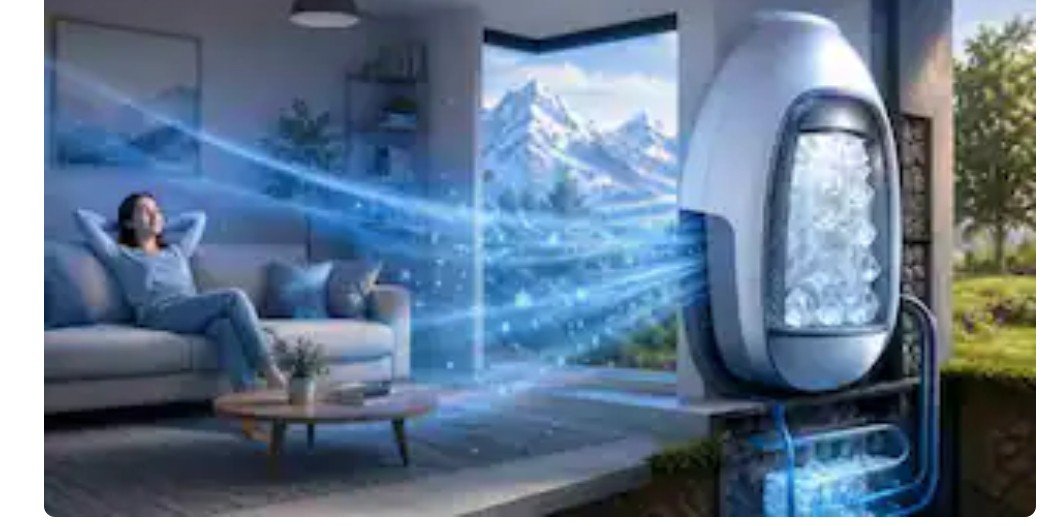

Amid rising global heat and increasing electricity consumption, scientists are constantly searching for alternatives that can provide more relief with less energy. To this end, Saudi Arabian scientists have developed a technology that can cool a room without constant electricity use.
This new technology is named Nescod, which stands for No Electricity and Sustainable Cooling on Demand. The unique feature is that this system does not rely on heavy electricity or compressors like older ACs, but instead generates cooling through a unique chemical process.
During testing, scientists found that this technology works extremely quickly. From a temperature of approximately 25 degrees Celsius, the system cooled the environment to approximately 3.6 degrees Celsius in just 20 minutes. The research also revealed that ammonium nitrate was approximately four times more effective than many other common cooling salts.
The most significant feature of Nescod technology is its regeneration capability. While air conditioners typically consume electricity continuously, this system works differently. When ammonium nitrate absorbs heat and completely dissolves in water, solar energy converts the water back into vapor. This crystallizes the salt, making it ready for reuse. This creates a cooling system that can automatically reset itself using solar energy.
The technology also saves water.
Water scarcity is a major problem in hot and dry areas. Scientists have designed this technology to collect and reuse the evaporated water. This will reduce water wastage and ensure long-term sustainable operation of the system.
Air conditioning today accounts for a significant portion of global electricity consumption. According to the International Energy Agency, approximately 10 percent of the world’s total electricity consumption is devoted to cooling systems alone. In countries like Saudi Arabia, a significant amount of electricity is used to keep buildings cool during the summer. In such a situation, technology like Nescod can reduce the demand for electricity to a great extent. This technology is also considered very useful for those areas where the supply of electricity is not stable or does not reach at all.