

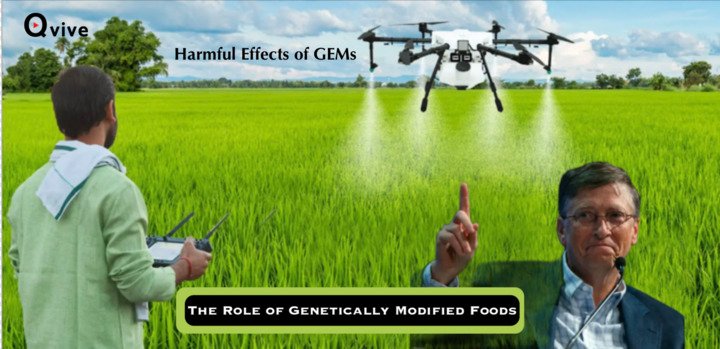
Genetically modified food refers to crops that have been genetically engineered to possess certain traits, such as resistance to pests, diseases, or herbicides. The concept of genetic modification dates back to the 1970s when scientists discovered a way to transfer genes between different organisms. There are concerns about their potential harmful effects on the intestinal microbiome and public health.
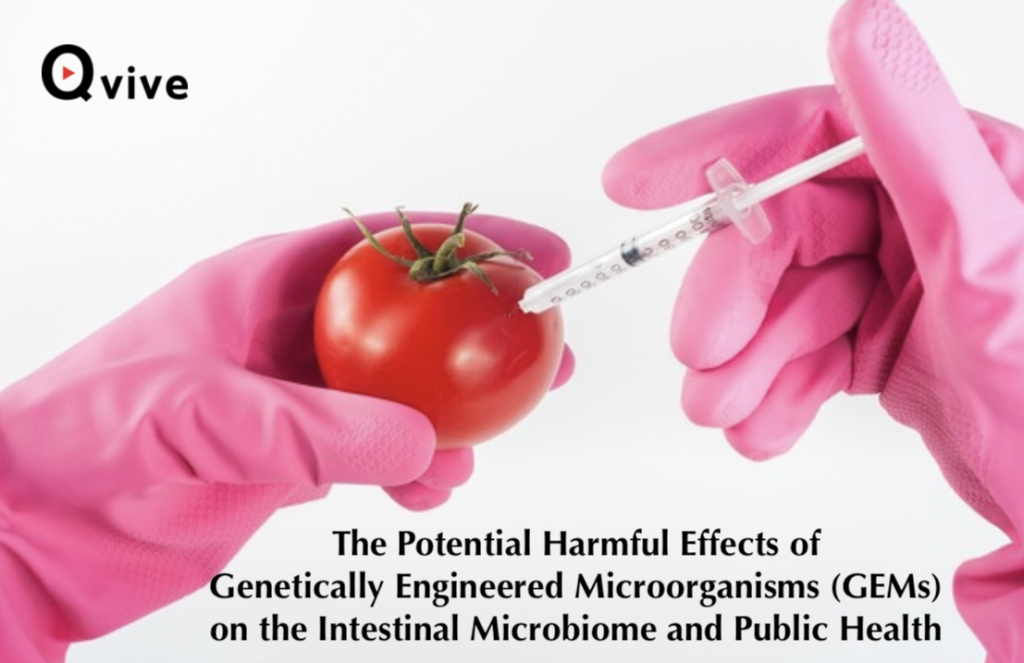
The intestinal microbiome plays a crucial role in maintaining our overall health and well-being. It consists of trillions of microorganisms, including bacteria, viruses, and fungi, that reside in our gut and help us digest food, regulate our immune system, and even produce essential nutrients.
When Genetically Engineered Microorganisms (GEMs) are introduced into the environment or consumed by humans, there is a risk that they may disrupt the delicate balance of the intestinal microbiome. These genetically modified organisms can interact with the natural microbial communities in our gut, potentially leading to dysbiosis, inflammation, and other adverse health effects.
How do Genetically Engineered Microorganisms (GEMs) affect the intestinal microbiome?
Genetically Engineered Microorganisms (GEMs) are designed to produce specific proteins, metabolites, or enzymes for various purposes. When these GEMs come into contact with the gut microbiome, they can alter the composition and function of the resident microbes, leading to a disruption of the symbiotic relationship between the host and its microbial inhabitants.
What are the potential risks to public health?
The potential harmful effects of Genetically Engineered Microorganisms (GEMs) on the intestinal microbiome can have far-reaching consequences for public health. Disruption of the gut microbiome has been linked to a wide range of health conditions, including inflammatory bowel disease, obesity, diabetes, and even mental health disorders.
There is concern that the genetic modifications in GEMs may transfer to other microorganisms in the environment through horizontal gene transfer, potentially leading to the spread of antibiotic resistance genes or other harmful traits.
Genetically modified bacteria were the first organisms to be modified in the laboratory, due to their simple genetics. These organisms are now used for several purposes, and are particularly important in producing large amounts of pure human proteins for use in medicine.
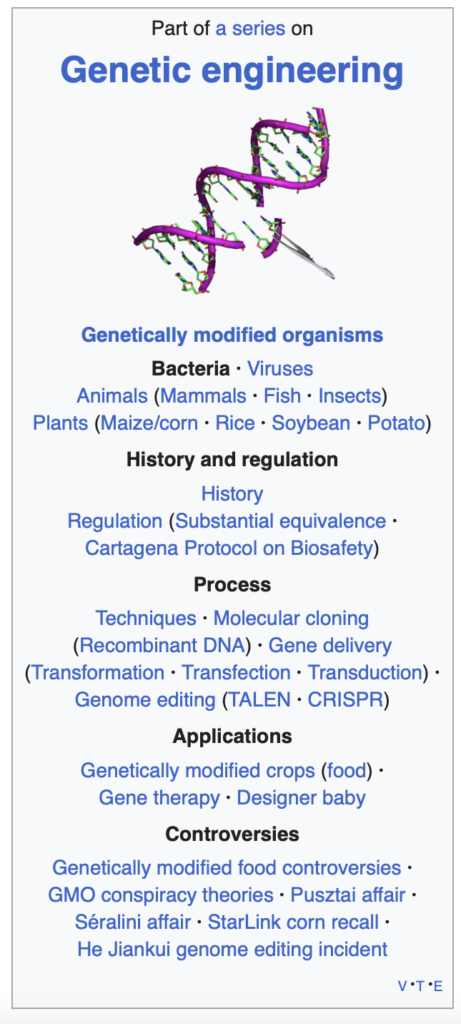
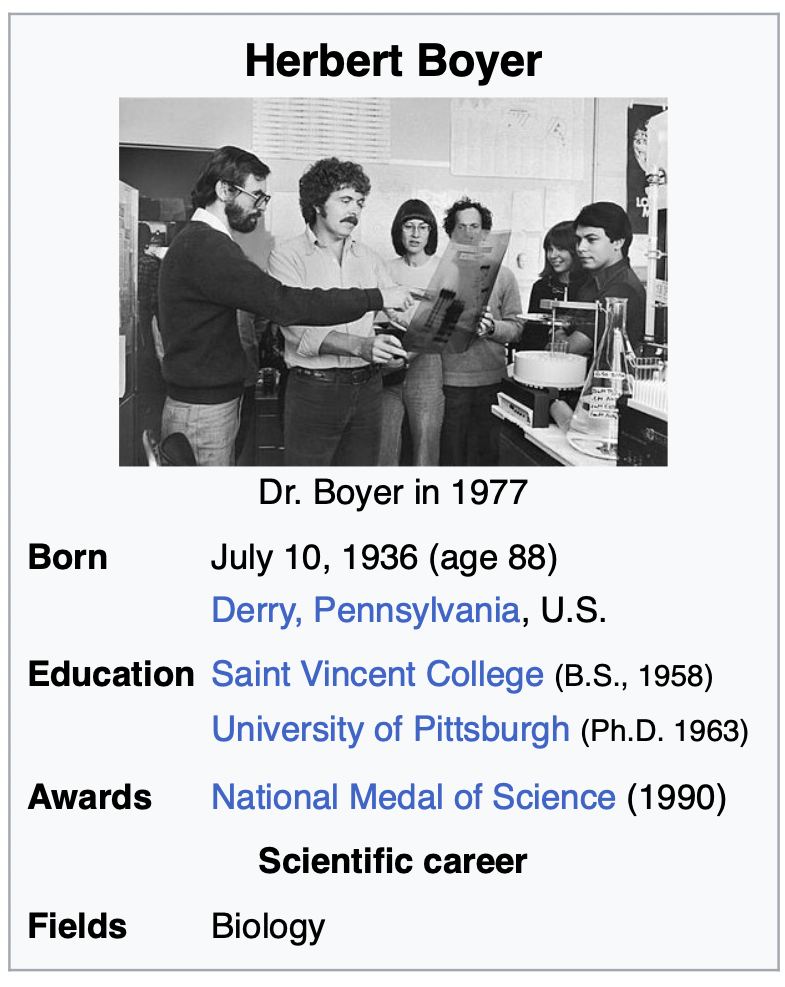
The first example of this occurred in 1978 when Herbert Boyer, working at a University of California laboratory, took a version of the human insulin gene and inserted into the bacterium Escherichia coli to produce synthetic “human” insulin. Four years later, it was approved by the U.S. Food and Drug Administration.
Bacteria were the first organisms to be genetically modified in the laboratory, due to the relative ease of modifying their chromosomes. This ease made them important tools for the creation of other GMOs. Genes and other genetic information from a wide range of organisms can be added to a plasmid and inserted into bacteria for storage and modification. Bacteria are cheap, easy to grow, clonal, multiply quickly, are relatively easy to transform, and can be stored at -80 °C almost indefinitely. Once a gene is isolated it can be stored inside the bacteria, providing an unlimited supply for research. The large number of custom plasmids make manipulating DNA excised from bacteria relatively easy.
In 1990, Boyer and his wife Grace gave the single largest donation ($10,000,000) bestowed on the Yale School of Medicine by an individual. The Boyer Center for Molecular Medicine was named after the Boyer family in 1991.
In the field of medicine – the use of genetically engineered bacteria for various purposes, including vaccination, cancer treatment, metabolic disorder management, and infectious disease prevention.
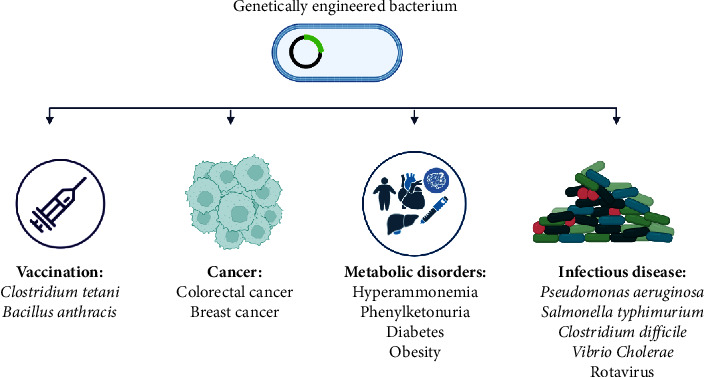
Numerous Harmful Mobile Genetic Elements (MGEs) Can Be Transferred to the Human Microbiome
Genetically Engineered Microorganisms (GEMs) are designed to produce specific proteins, metabolites, or enzymes for various purposes. When these GEMs come into contact with the gut microbiome, they can alter the composition and function of the resident microbes, leading to a disruption of the symbiotic relationship between the host and its microbial inhabitants.

Genetically engineered microorganisms (GEMs) applications. GEMs have a wide range of applications across various fields due to their versatility and the precision of genetic engineering techniques.
Food Industry: Production of vitamins, flavors, enzymes, and preservatives. They can help in improving the nutritional value, taste, and shelf-life of food products.
Agriculture: Promote plant growth, increase nutrient uptake, and protect plants from pests and diseases.
Medicine and Health Care: Cost-effective production of pharmaceuticals, including insulin, growth hormones and vaccines.
Waste Treatment: Break down hazardous substances like oil spills, heavy metals and other toxic chemicals.
Energy Production: The production of biofuels like ethanol and biodiesel.
Industrial Biotechnology: Improve chemical production to increase yields and reduce environmental impacts.
Bill Gates, Jeff Bezos, and other wealthy individuals are excited about a new technology that involves bacteria.
They think it could really change the future of food production.
Some of the genetically engineered bacteria food products associated with Bill Gates and the brand names they are marketed under.
Bill Gates: Can GMOs end world hunger by 2030?
Feb 18, 2015 :Bill Gates believes that in the next 15 years, Africa can increase its agricultural productivity by 1.5x. Bill Gates narrates this episode of the Big Future to explain the combination of better seeds, education, and critical infrastructure needed to drive down poverty and improve life across the continent.
The List of Genetically Engineered Microorganisms by Bill Gates
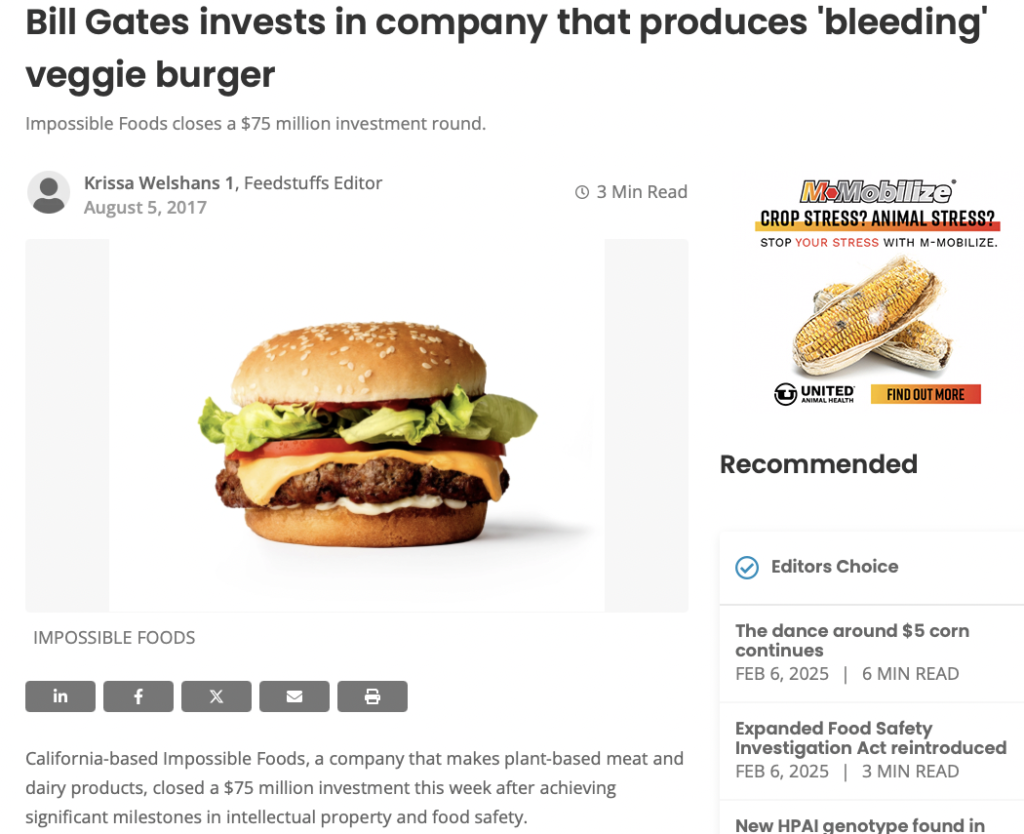
1. Impossible Foods
One of the most well-known brands associated with Bill Gates is Impossible Foods. They have developed a range of plant-based products that use genetically engineered yeast to produce heme, a molecule that gives their burgers a meat-like taste and texture. This technology has allowed Impossible Foods to create plant-based alternatives that closely mimic the taste and experience of traditional meat products.
2. Perfect Day
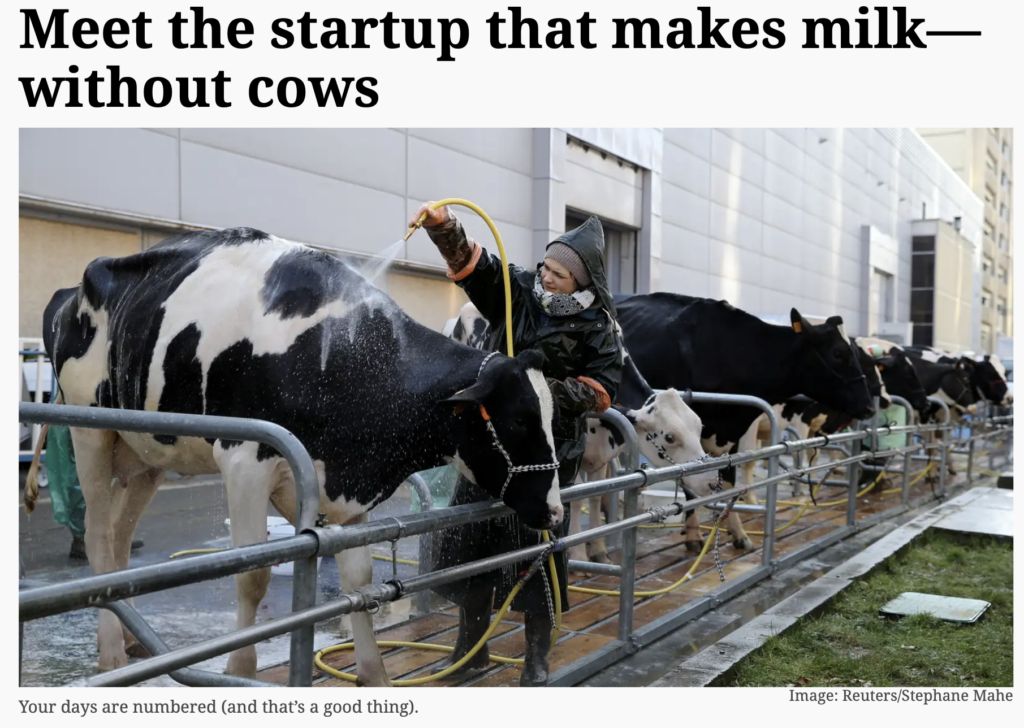
Perfect Day is another company that has caught the attention of Bill Gates. They have engineered yeast to produce dairy proteins such as casein and whey, which are then used to make dairy-free products like ice cream and cheese. This technology allows Perfect Day to create dairy alternatives.
3. Pivot Bio
Pivot Bio is a company that has developed genetically engineered bacteria to help crops like corn and wheat generate their own nitrogen fertilizer. By reducing the need for traditional fertilizers, Pivot Bio’s products can help farmers reduce their environmental impact and improve the sustainability of agriculture. This damaging innovative approach has attracted the support of Bill Gates and other investors.
4. Gingko Bioworks
Gingko Bioworks is a biotechnology company that is focused on using genetically engineered bacteria to produce a wide range of products, including fragrances, flavors, and even ingredients for food and beverages. Their platform allows them to design custom microbes that can efficiently produce specific compounds, making them a leader in the field of synthetic biology.
The Potential Harmful Effects of Genetically Engineered Microorganisms on Gut Health and Public Health
The development of Genetically Engineered Microorganisms (GEMs) highlights the critical importance of scrutinizing the potential risks, especially in relation to their impact on the delicate balance of the human intestinal microbiome and the implications for public health at large.
The Concerns About Enteric Bacteria (such as Campylobacter jejuni)
Enteric bacteria are a group of bacteria that primarily reside in the intestines of humans and animals. While many enteric bacteria are harmless or even beneficial, some strains can cause foodborne illnesses and gastrointestinal infections. The concern about genetically modified food and enteric bacteria arises from the potential for these crops to contain harmful bacteria due to the genetic modification process.
Can Genetically Modified Food Cause Enteric Bacteria?
The intestinal microbiome, a complex ecosystem of bacteria, fungi, viruses, and other microorganisms residing within our gut, plays a vital role in human health. It contributes to digestion, nutrient absorption, immune system development, and protection against pathogens. Disruptions to this delicate balance, known as dysbiosis, have been linked to a wide range of health problems, including inflammatory bowel disease (IBD), obesity, type 2 diabetes, and even neurological disorders.
The introduction of GEMs into the human gut raises several concerns regarding their potential to disrupt this carefully calibrated ecosystem.
Potential Mechanisms of Harm:
- Horizontal Gene Transfer: A primary concern is the possibility of horizontal gene transfer (HGT), where GEMs transfer their modified genes to native gut bacteria. This could lead to the unintended spread of antibiotic resistance genes, altered metabolic capabilities, or even the creation of novel pathogens. Imagine a GEM engineered to degrade pollutants accidentally transferring that ability, along with unintended consequences, to a beneficial gut microbe.
- Displacement of Beneficial Microbes: GEMs, particularly if designed for rapid growth or enhanced survival, could outcompete and displace beneficial members of the gut microbiome. This could lead to a reduction in microbial diversity and a functional decline in the essential services the microbiome provides.
- Immune System Modulation: GEMs, especially if they contain novel antigens or produce specific metabolites, could trigger an immune response in the gut. While sometimes beneficial, chronic or exaggerated immune responses can lead to chronic inflammation and the development of autoimmune diseases.
- Unintended Metabolic Byproducts: GEMs, in the process of performing their engineered function, may produce unexpected or harmful metabolic byproducts. These byproducts could directly damage gut cells or disrupt the delicate balance of the microbiome.
- Creation of Novel Toxins: While unlikely, the possibility exists that genetic engineering could inadvertently create GEMs that produce novel toxins, posing a direct threat to human health.
Public Health Implications:
The disruption of the intestinal microbiome by GEMs could have far-reaching public health implications.
- Increased Susceptibility to Infections: A compromised microbiome leaves individuals more vulnerable to opportunistic pathogens, potentially leading to more frequent and severe infections.
- Worsening of Chronic Diseases: As mentioned previously, dysbiosis is linked to numerous chronic diseases. The introduction of harmful GEMs could exacerbate these conditions and contribute to the rising prevalence of these diseases.
- Antibiotic Resistance Crisis: The potential for HGT of antibiotic resistance genes from GEMs to gut bacteria poses a significant threat to combating the growing antibiotic resistance crisis.
- Unforeseen Long-Term Effects: The long-term consequences of introducing GEMs into the gut ecosystem are largely unknown. The subtle but persistent effects of these organisms could manifest years or even decades later.
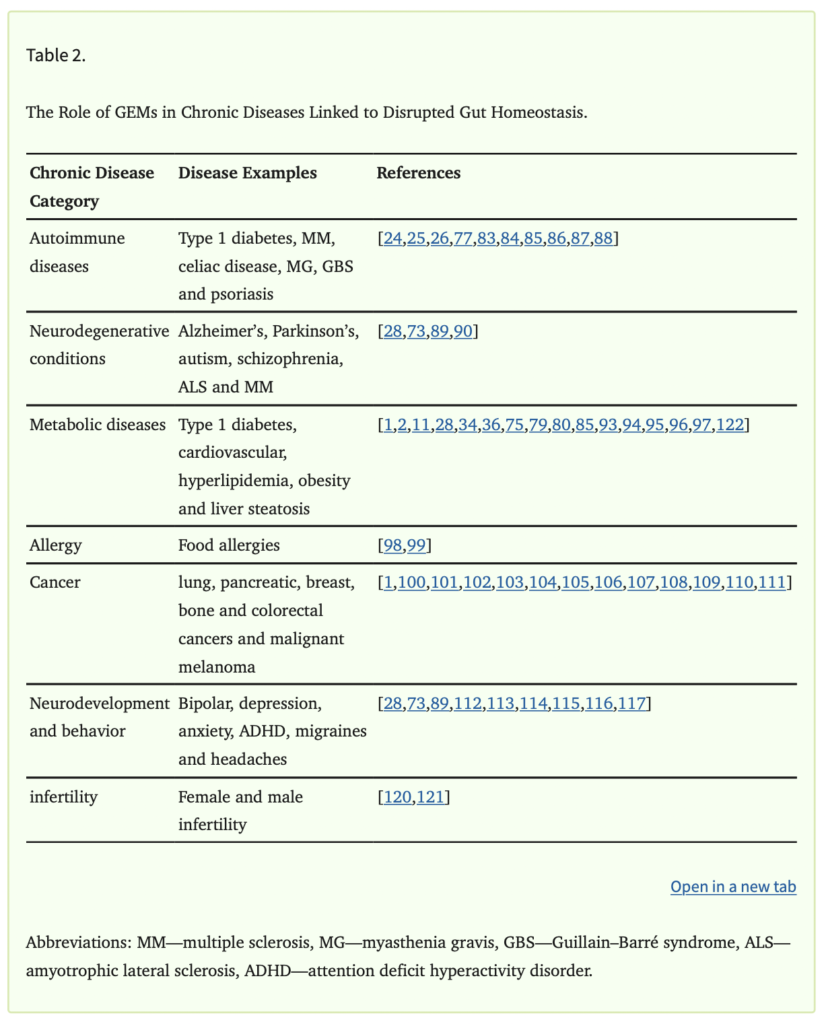
Following are some examples of the potential involvement of GEMs in chronic human diseases driven by disequilibrated gut homeostasis:
- Autoimmune diseases: Various ADs are associated with specific or pathobiont. Type 1 diabetes, GBS, multiple sclerosis, celiac disease and psoriasis are some of them. The above-cited mTG is also associated with AD evolution. Intriguingly, the cross-reactive antibodies and sequence similarity between microbial transglutaminase and human tissue antigens were recently reported. Six human epitopes were connected to ten different ADs. The newly described molecular mimicry pathways further strengthen the mTG-ADs pathologic interplay.
- Neurodegenerative conditions: Understanding the involvement of gut dysbiosis and pathobiosis is in its infancy; however, increased knowledge is starting to appear, thus strengthening the gut–brain axis. By perturbating enteric eubiosis and/or its beneficial secreted metabolome, the GEMs can potentially drive neuro-inflammatory/degenerative diseases . Interestingly, those GEMs included transposable elements that might drive neurodevelopmental and neurodegenerative Disorders .
- Metabolic diseases: All the components of the metabolic syndrome are related to a perturbated gut microbiome, hazardous mobilome, and disbalance of a fine synergistic luminal homeostasis. Harmful proteinomes and metabolomes, increased intestinal permeability, post-translational modification of naïve peptides to immunogenic ones, cross-reactive autoantibodies, sequence similarity, molecular mimicry, bacterial fragments blood translocation and some other auto-immunogenic pathways might drive GEM involvement in metabolic conditions.
- Allergic conditions: Food allergy is highly related to intestinal dysbiosis, and eubiotic equilibrium might protect allergy patients. Natural or GEM probiotics, prebiotics, synbiotics and potentially fecal microbiota transfer are increasingly being investigated to alleviate allergic reactions. Those trials should be controlled and regulated; they impose a variety of challenges, aiming to improve the reliability and predictability of the allergenicity risk assessment. A clear safety objective that addresses new GM biotechnologies is greatly needed as safety assessments to ensure that allergenic risks of foods are avoided.
- Cancer induction or therapy: HGT occurs between prokaryotes and eukaryotes and microbes, viruses or fungi are related to human cancer induction . One recent example is the engineered E. coli Nissle 1917 involvement in colorectal cancer. In contrast, prokaryotes are increasingly reported as key actors in cancer immunotherapy, applying engineered biotechnologies to combat spreading by metastases. The potential HGT of carcinogenic constituents, from unicellular prokaryotes to multicellular tissues, including human cancer cells, requires urgent tightened control and regulatory measures on GEMs . Recently reported examples of bacterial DNA were confirmed in lung, pancreatic, breast, bone and colorectal cancers and malignant melanomas . Several mechanisms of microbial DNA integration into the human genome and cancer induction were suggested. One of those is to increase proto-oncogenes or suppress tumor suppressor gene expression in the human genome. However, this can be a self-perpetuating vicious cycle, as recently noted by Yangyanqiu and Shuwen: “The damage caused by bacteria to human DNA, such as inducing DNA breaks, regulating gene expression by epigenetic modifications, and causing genome instability, can facilitate the integration of bacterial DNA into the human genome”.
In addition, microbial enzymes, like recombinases, can facilitate the site-specific insertion of MGEs into bacterial genomes, thus loading the intestinal microbiome and risking human cells for large-payload genome insertion. Even prebiotic oligosaccharides intake might aggravate DNA damage induced by colibactin-producing gut microbes. Interestingly, a high-fiber diet and indigestible prebiotic saccharide are offered to prevent colorectal cancer. In contrast, the authors suggested that the enhanced progression of colorectal cancer operating through cellular senescence, double-strand break induction in cultured cells, and chromosomal abnormalities depends on prebiotic oligosaccharides. Future studies are necessary to resolve this discrepancy.
Nevertheless, the topic of microbial genes integrated into the human genome is an ongoing hot topic. Its contribution to the evolution of eukaryotic genomes remains high. Since prevention is the most cost-effective way to fight cancer or other human chronic diseases, tightly regulating and controlling GEMs and avoiding the entry of MGEs into the microbiome or human genome represent the most rewarding means to protect people from those morbid and mortal conditions. - Neurodevelopment and behavior: Explicit emotion regulation and cognitive control govern executive functions and mental health throughout the entire lifespan. The intestinal microbiota represents a potential biomarker for the risk of mental and behavioral morbidities. Basically, gut eubiotic diversity and synergistic composition affect brain function, thus playing a pivotal role in emotional processing. Recently, the following neuropsychiatric conditions were reported to be dysbiotic-dependent: Alzheimer’s disease, attention deficit hyperactivity disorder, amyotrophic lateral sclerosis, anorexia nervosa, bipolar disorder, generalized anxiety disorder, major depressive disorder, multiple sclerosis and schizophrenia. The microbiome–gut–brain axis plays an essential role in regulating neurodevelopment, brain metabolism and behavior. Tryptophan, the precursor to serotonin, short-chain fatty acids, GABA, acetylcholine, histamine, bile acids, 5-amino valeric acid, taurine and spermine are some of the microbiome-originated neurotransmitters and metabolome that affect brain physiology, human behavior or pathology. Introducing less-regulated GEMs or their foreign mobilome to the luminal compartment might disrupt the evolutionary equilibrium of the enteric inhabitants.
- Female and male infertility: Most recently, genetically proxied intestinal microbes were found to have potential causal effects on females and males. This additional potential risk might affect future generations of geo-epidemiology and many other public aspects of life worldwide. One could wonder about the potential impact of deleterious MGE entry into the equilibrated intestinal microbiome on the above-cited chronic human diseases. Table 2 summarizes the potential involvement of GEMs in chronic human diseases driven by perturbated gut homeostasis.
Bill Gates: Gene editing
However, employing this technology in GEMs poses risks that could adversely affect enteric prokaryotic communities and the human genome.
Genetically modified probiotics and synthetic microbial consortia should be classified and regulated as pharmaceuticals rather than as food supplements.
The introduction of these engineered organisms into the gut may lead to unforeseen biosafety issues that require regulatory oversight.
Similar concerns apply to genetically modified foods once ingested by humans, with potential risks including fetal harm and allergenic reactions.
The use of engineered fungi also presents comparable risks, necessitating careful consideration and regulation.
There is an urgent need for enhanced regulations on GEMs and genetically modified plants, along with transparent labeling of modified ingredients.
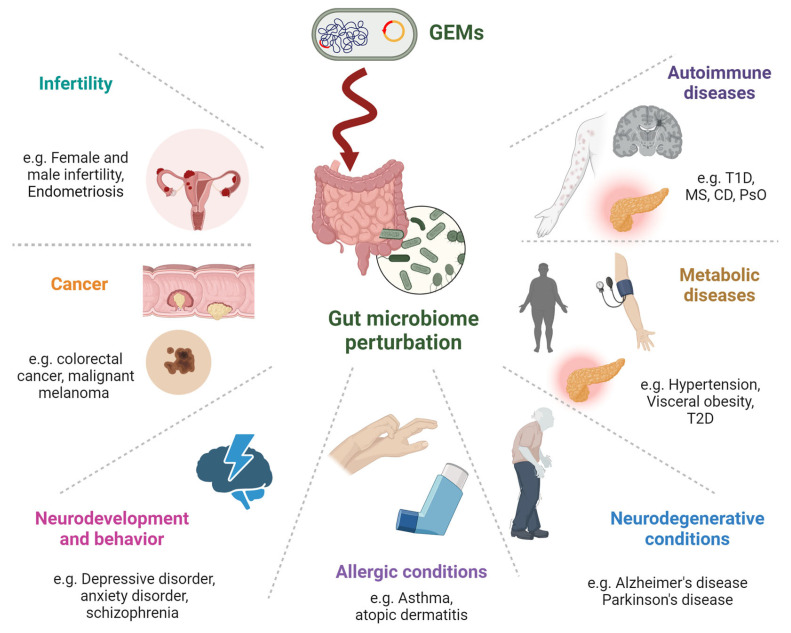
Potential involvement of GEMs in chronic human diseases related to disrupted gut homeostasis covers a broad spectrum of conditions.
Autoimmune Diseases: affecting immune tolerance and increasing inflammation.
Metabolic Diseases: Influence the metabolism of lipids, carbohydrates, and other substances, which can lead to obesity, type 2 diabetes, and metabolic syndrome.
Neurodegenerative Conditions: Through the gut–brain axis, gut bacteria perturbation can produce neurotoxic substances, affecting neurodegenerative diseases like Alzheimer’s and Parkinson’s.
Allergic Conditions: This might influence allergic diseases by modifying the gut microbiome, which is known to play a role in immune responses.
Neurodevelopment and Behavior: Via the gut–brain axis, gut microbiome compounds can affect mood, cognition, and behavior.
Cancer: Microbial genes that are integrated into the human genome can potentially induce carcinogenic constituents.
Infertility:Emerging evidence linking gut health to reproductive health. This might involve the modulation of hormone levels, inflammation, and overall metabolic health.
Are regulatory authorities doing enough to protect public health?
Despite the efforts of regulatory authorities to assess the safety of GEMs before they enter the market, there are still significant gaps in our understanding of the potential health risks associated with these products.
One of the major criticisms of current regulatory practices is the reliance on industry-funded studies to determine the safety of GEMs. This conflict of interest raises concerns about the objectivity of the research being conducted and calls into question the validity of the safety assessments provided to regulatory authorities.
To truly protect public health, regulatory authorities must take a more proactive approach to assessing the safety of genetically engineered products. This includes conducting independent research on the long-term health effects of GEMs, as well as implementing more rigorous testing protocols before these products are approved for human consumption.
In addition, greater transparency and public involvement in the regulatory process are essential to building trust and ensuring that the safety of GEMs is adequately assessed. By taking these critical steps, we can better protect public health and ensure that genetically engineered products are safe for consumption.
Is the Green Revolution truly beneficial?

Ever since its inception, the Green Revolution has been hailed as a turning point in agriculture, promising higher yields, reduced hunger, and overall prosperity. However, not everyone is convinced of its benefits. Vandana Shiva, a renowned environmental activist and scholar, argues that the Green Revolution has actually brought about more harm than good. She believes that the push towards monoculture of certain crops and the increased dependence on imported seeds and chemicals have resulted in widespread environmental degradation and loss of biodiversity.
One of the key criticisms leveled against the Green Revolution is its promotion of monoculture, the practice of growing a single crop variety over large expanses of land. While monoculture can lead to higher yields in the short term, it also makes crops more vulnerable to pests, diseases, and climate change. Vandana Shiva argues that by focusing on a few select crops such as rice, wheat, and corn, the Green Revolution has undermined the diversity of local food systems, leading to a loss of traditional knowledge and genetic resources.
In addition, monoculture is often associated with the heavy use of chemical inputs such as fertilizers and pesticides, which can have detrimental effects on soil health, water quality, and human health. As Vandana Shiva points out, the reliance on synthetic chemicals has created a cycle of dependency, where farmers have to constantly purchase expensive inputs to maintain productivity, further enriching multinational corporations at the expense of small-scale farmers.
In Punjab, which takes up 25 per cent of the country’s pesticide usage, the link between pesticides and disease is strong and the ‘cancer train’ is only one indication. The unrestrained use of pesticides has resulted in farmers being caught in debt traps, and entire swathes of the population riddled with grave health issues.
The perils of seed dependency
Another major criticism of the Green Revolution is the promotion of high-yielding hybrid seeds that are patented and owned by multinational agrochemical companies. Vandana Shiva argues that this has led to a loss of seed sovereignty, as farmers are no longer able to save and exchange seeds as they have done for generations. Instead, they are forced to buy expensive hybrid seeds year after year, trapping them in a cycle of debt and dependency.
Moreover, the reliance on imported seeds has resulted in the erosion of traditional crop varieties that are better adapted to local conditions, making farming systems more vulnerable to external shocks. As Vandana Shiva points out, the Green Revolution has accelerated the homogenization of agriculture, pushing small-scale farmers to the margins and threatening the resilience of food systems in the face of climate change and other challenges.
Toxic Food | Death by pesticide (Hindi)
Toxic Food – Full episode (Hindi)
The current level of safety oversight for genetically engineered products by regulatory authorities is not sufficient to protect public health effectively. We need to demand more stringent testing protocols, independent research efforts, and a commitment to transparency in safety evaluations. By implementing these necessary changes, we can fortify public health protections and ensure that genetically engineered products are safe for consumption.
Source: Wikipedia, NIH, Youtube, Linked-in
Also Read: