Monday, May 11, 2026

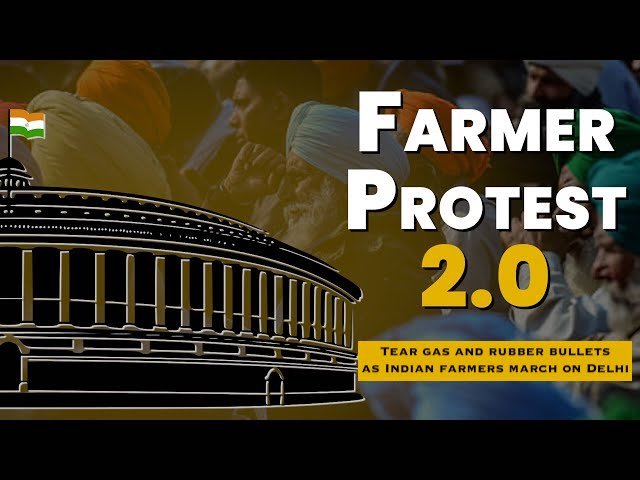
Punjab Congress President Demands Action Against Haryana HM and Police for Violating Territorial Jurisdiction-Tear gas and rubber bullets as Indian farmers march on Delhi

Date:

January 8, 2021: Drones Used By Police Over Protesting Farmers Were Not Authorised To Fly
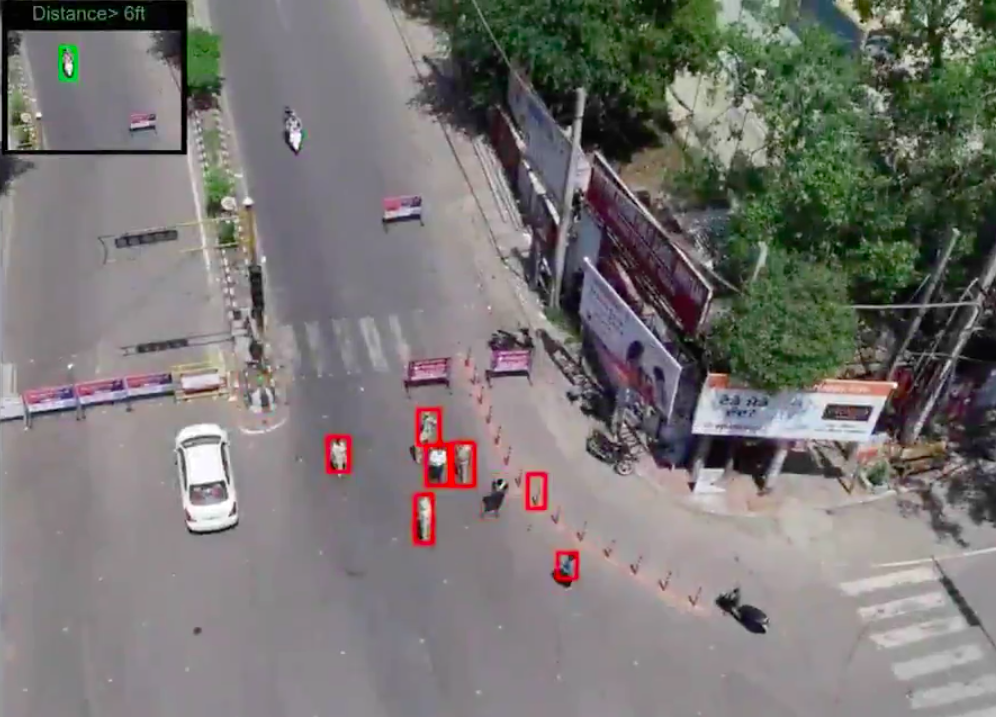
The drones the police flew over farmers protesting against the recently enacted farm laws were illegal — their use was never authorized by the Civil Aviation Ministry, or the Directorate General of Civil Aviation (DGCA), both entities which regulate drone use in the country, RTIs filed by MediaNama revealed. It’s a worrying example of the amount of discretion available to on-ground police personnel — especially when it’s about using tech to carry out mass surveillance.  As the protests against the farm laws broke out in November last year, and as farmers started their march towards Delhi, the police had deployed drones to constantly monitor the situation. Both Delhi and Haryana Police were present at the protests. It isn’t clear which police force deployed these drones. We have reached out to both departments for more details. Multiple people reporting from the ground had shared visuals of these drones:  

November 26, 2020: The autonomous body filed the RTI in December, with the Civil Aviation Ministry, and the DGCA, asking for a list of all the organizations they had allowed to fly drones between October and December 2020, along with a copy of the authorization letters issued to these organizations. 

In response to the RTI, the Civil Aviation Ministry said it had exempted the following organizations from deploying drones during that time period. As is evident, no police force was allowed by the Civil Aviation Ministry to deploy drones: 

  • Indira Gandhi Rashtriya Uran Akademi (IGRUA)
  • Odisha Mining Corporation Ltd. (OMC)
  • National Capital Region Transport Corporation (NCRTC)
  • Global Konnect Aviation Services Pvt. Ltd.
  • National Thermal Power Corporation (NTPC)
  • CEPT University
  • International Crops Research Institute for Semi-Arid Tropics (ICRISAT)

Ref: https://krishijagran.com/news/farmer-s-protest-exclusive-drones-used-by-police-over-protesting-farmers-were-not-authorized-to-fly-reveals-rti/

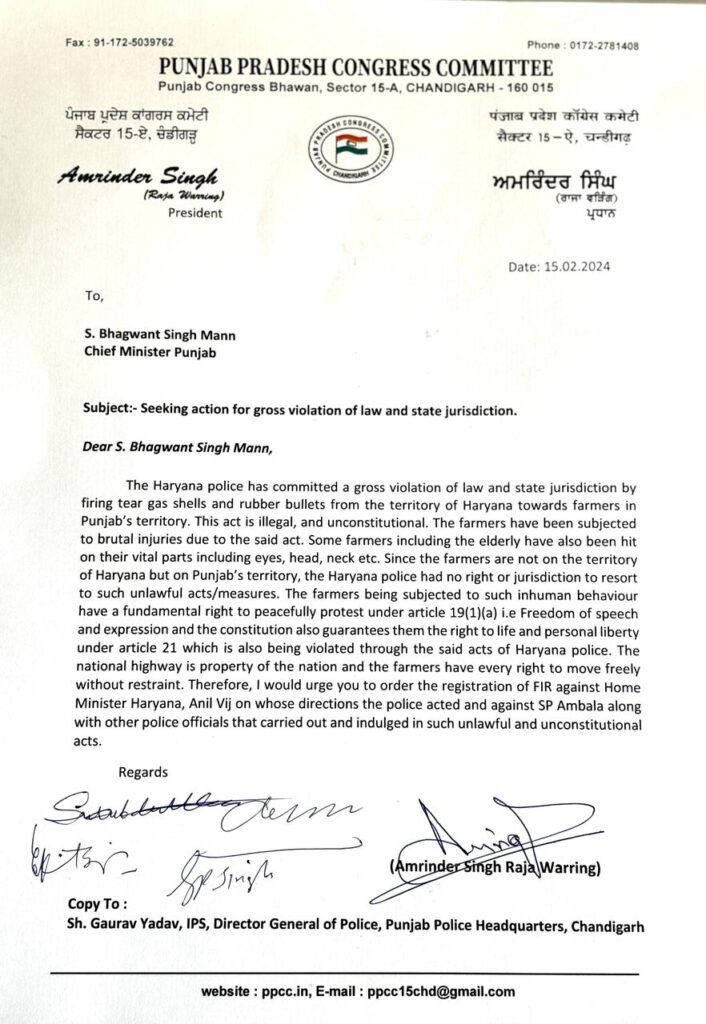
Punjab Congress President has sought action against Haryana HM & Haryana Police officials for violating territorial jurisdiction & firing tear gas shells & rubber bullets on Punjab farmers Handed over a memorandum addressed to Bhagwant Mann
The use of drones armed with tear gas and rubber bullets represents a clear violation of the civil liberties of the protesting farmers. These individuals have the right to peacefully assemble and express their grievances without fear of violent reprisals from law enforcement. The deployment of drones with such weaponry not only escalates tensions but also endangers the lives of innocent civilians.

VIDEO | Here’s what Haryana AAP President DrSushilKrGupta said on the ongoing farmers’ protest. “Farmers had given a notice to the (Haryana) government for this peaceful protest long back. Not only water cannons and tear gas shells were used, rubber bullets were also fired (on protesting farmers). Such security arrangement, on Punjab-Haryana border and Delhi-Haryana border, is not there even on India-Pakistan border.”

February 18, 2024: Protests by farmers in India and the use of less-lethal weapons like rubber bullets by police to control crowds. It mentions studies by organizations like Amnesty International and the Bureau of Police Research and Development (BPRD) in India on the misuse of kinetic impact projectiles (KIPs) like rubber bullets during protests. While the Amnesty report documents cases of serious injuries and loss of eyesight caused by these weapons globally, including during the ongoing farmer protests in India, a BPRD study from 2012 cites that Haryana police claimed to never use rubber bullets.

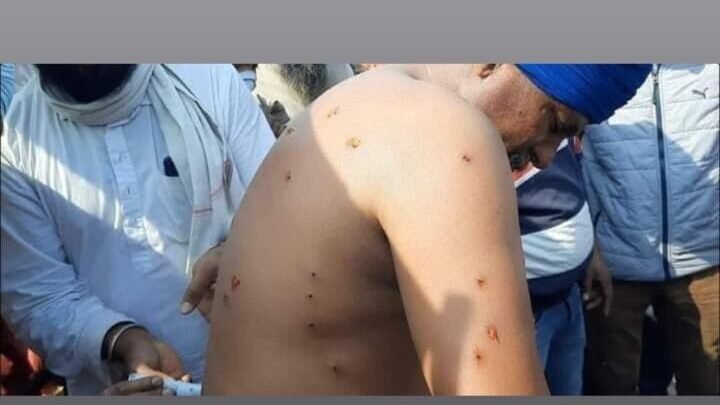
The Amnesty International report documents that the use of kinetic impact projectiles (KIPs), such as rubber bullets, has led to thousands of injuries across the world, including permanent disabilities such as loss of sight in one or both eyes, and scores of deaths. The injuries caused by KIPs include eye trauma, traumatic brain injuries, and severe injuries and fatalities when vulnerable upper-body regions such as the head, neck, and upper torso are struck.

The specific injuries caused by kinetic impact projectiles (KIPs) according to the Amnesty report include eye trauma, traumatic brain injuries, and severe injuries and fatalities when vulnerable upper-body regions such as the head, neck, and upper torso are struck.

The Amnesty report documented cases of injuries caused by kinetic impact projectiles in countries such as Chile, Colombia, France, Iran, Israel, Lebanon, Spain, Sudan, and the USA, in addition to India.

At least 3 farmers lost their vision completely due to pellet injuries and more than 135 have been injured in last 4 days

On directions given by their leaders today Farmers didn’t try to move towards Haryana & Dehli. Despite this security forces from Haryana indiscriminately fired tear gas shells, rubber bullets on farmers who were peacefully standing on the Punjab side.

It has come to light that the drones employed by the police during the protests were equipped with rubber bullets and dangerous tactics

The use of drones with rubber bullets poses a significant risk to the safety and well-being of protesters and bystanders. The potential for harm in such a situation is enormous, and strict measures must be put in place to prevent the misuse of this technology in the future.

The use of drones by the Indian police is regulated by the Drone Regulations 2021, which sets out the rules and restrictions for the operation of drones in the country. According to these regulations, drones equipped with weapons, including rubber bullets, are prohibited from being used for any purpose. This means that the use of drones with rubber bullets by the Indian police would violate these regulations and could result in legal consequences for the responsible authorities.

Tear gas and rubber bullets as Indian farmers march on Delhi

These protests are a continuation of demonstrations two years ago, during which clashes with police left 600 people dead.

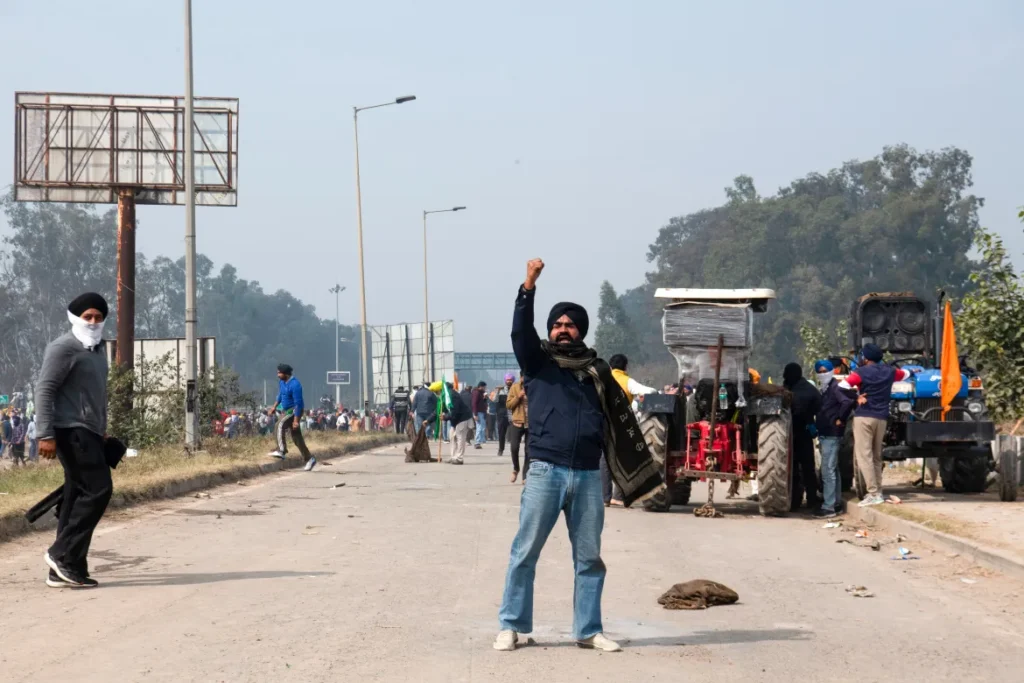
A farmer shouts protests after authorities stop farmers from moving towards Delhi at the Shambhu border between the states of Punjab and Haryana.

Shambhu border, India – Thousands of farmers have gathered on the outskirts of India’s capital, New Delhi, to set out demands for guaranteed minimum prices for their crops, debt relief and policy reforms.

The protests are being led by more than 250 farmer unions, including the Kisan Mazdoor Sangharsh Committee (a platform which represents more than 150 unions) and the Samyukta Kisan Morcha (SKM), which has the backing of more than 100 unions. With participants arriving far and wide from states like Punjab, Haryana, Uttar Pradesh, Rajasthan and Madhya Pradesh, the protests are being coordinated from Punjab and are gaining support that transcends state boundaries.

Starting on Tuesday this week, the farmers are marching towards New Delhi with their tractors and trucks in tow. In an attempt to halt the march, the Indian authorities have placed barriers, nails and other heavy machinery along the highways that run towards the capital. During one attempt by demonstrators to demolish barricades at Shambhu village on the Punjab-Haryana border, the Haryana police responded by firing rounds of tear gas to scatter them. Haryana borders New Delhi, and is ruled by the Bharatiya Janata Party of Prime Minister Narendra Modi.

These protests are a continuation of demonstrations in and on the outskirts of New Delhi which took place two years ago. They lasted for more than a year, during which time more than 600 people were killed during violent crackdowns by the authorities. Following the government’s agreement to rescind three agricultural reform laws that the farmers objected to, the protests were called off. Other demands they had made, however, were not met – and these issues have flared up again.

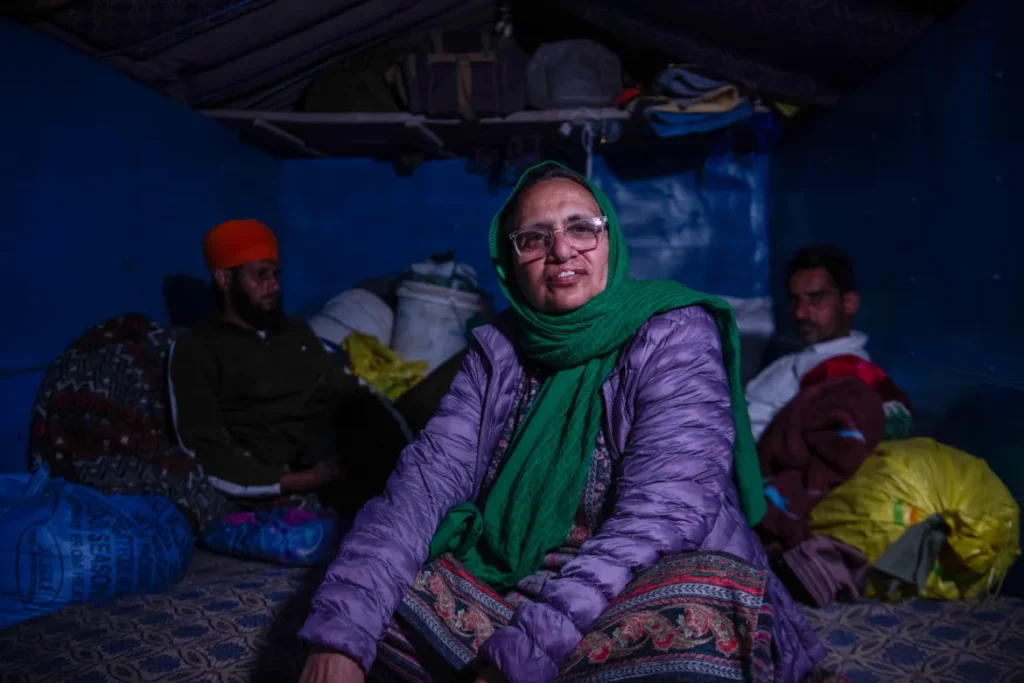
Demands for a strong system to set minimum support prices (MSP) to protect farmers from market fluctuations are at the core of the protest. The protesters are also demanding debt relief and restraints on the privatisation of the power industry. “I was here last time for the whole duration. We are here again because the promises made have not been fulfilled, for example, the MSP. When they formed the government, they promised to waive off the loans, but that did not happen. They promised to deliver justice in the case of the Lakhimpur Kheri incident [when protesting farmers were rammed by a car and killed in October 2021],” Sukvindra Kaur, 55, from Bathinda, Punjab told Aljazeera.

“We were forced to hit the roads again over the same demands,” she added. “The promises made by the present government have to be fulfilled by them, and tomorrow if there is any new government, why would they fulfil our demands? We never wanted to do it but farmers are committing suicide; they have huge loans. We are here to save them.”

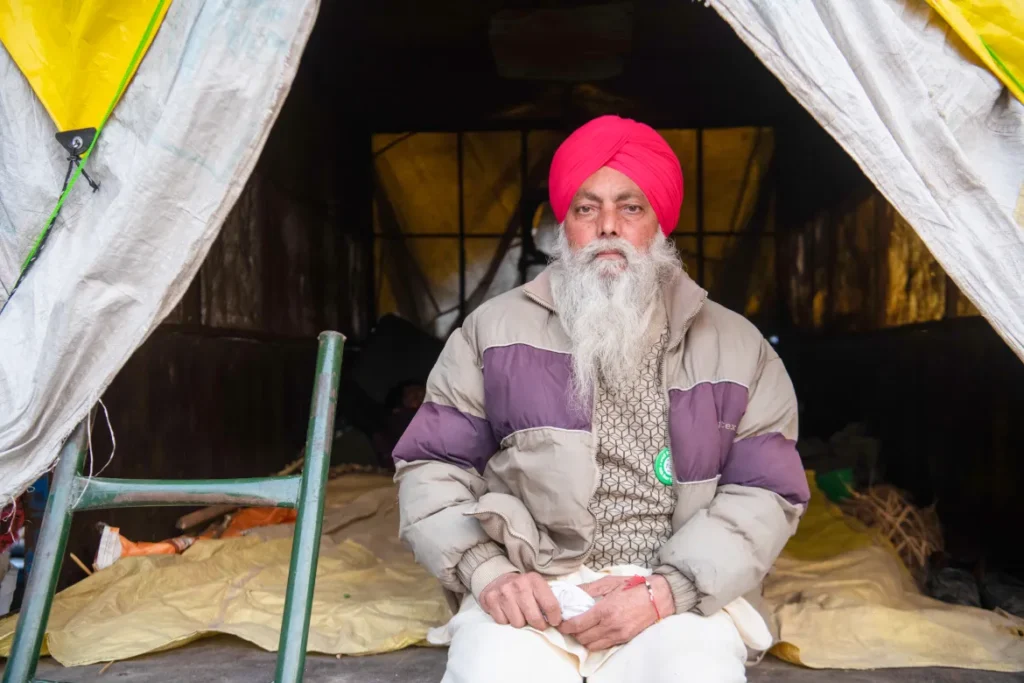
Another farmer, Dharam Singh Sidhu, 60, vice president of Kissan Sangash Samiti for Ferozepur, Punjab, called the teargassing of farmers and the firing of rubber bullets at the protesters “undemocratic”.

“Under democracy, everyone has the right to protest peacefully, but despite moving peacefully, they are barricading, shelling and opening fire at us. No farmers are engaging in any unlawful activity; we are protesting peacefully,” Sidhu said.

The timing of the protest ahead of impending elections in the next few months highlights the political significance of despair among farmers, who make up a sizeable voting bloc in the country.
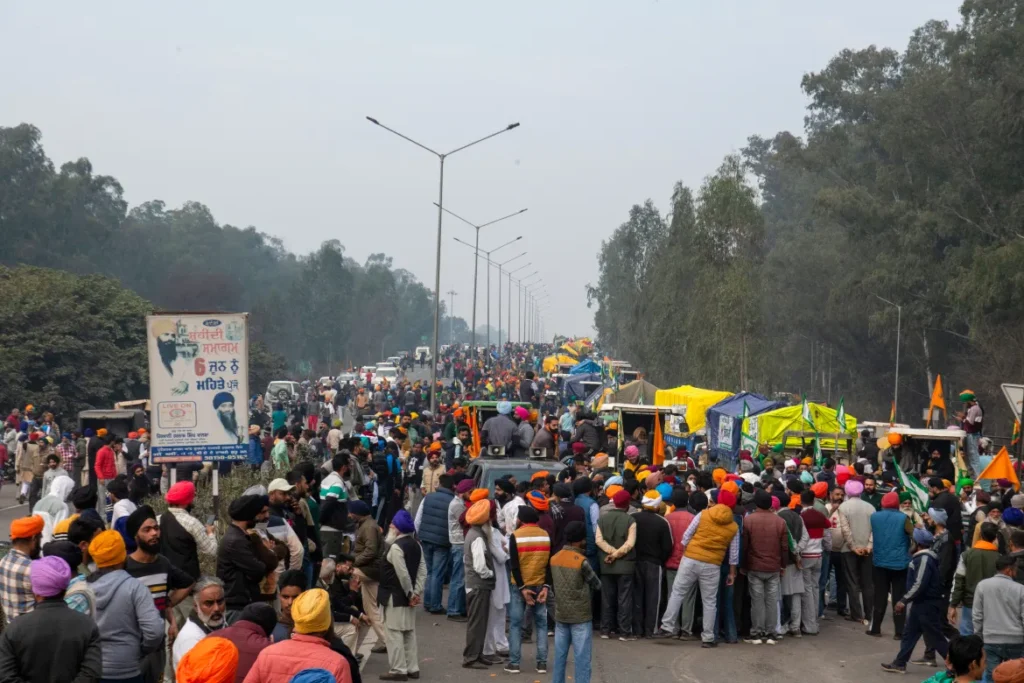
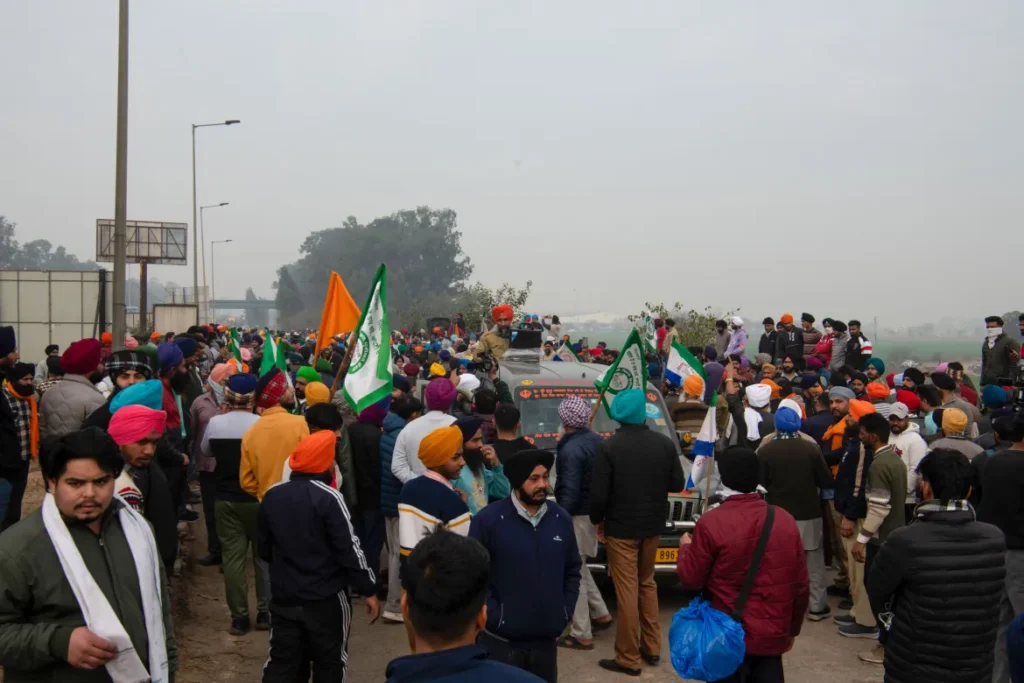
Farmers gather with a caravan of trucks, tractors and water tankers at Shambhu village in Patiala district, on Punjab’s border with Haryana state. The authorities have installed six-layered concrete barricades and iron nails, along with a large contingent of security personnel, to prevent protesting farmers from heading to New Delhi.
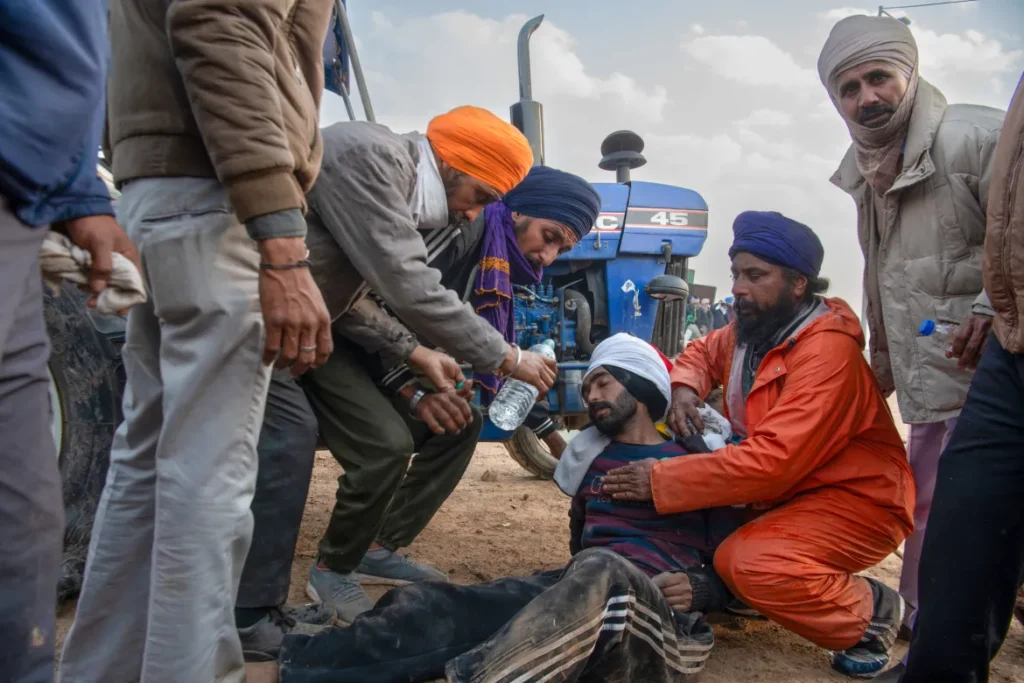
Protesting farmers offer water to a man who fainted during a protest at Shambhu village, on the border between Punjab and Haryana. The authorities stopped the marching farmers and Ured tear gas, water cannon and rubber bullets to prevent them from entering the capital city
‘We have come all the way from Punjab, and no incident of violence has happened; it is the Haryana government that is responsible for all this,’ says Dular Singh, 64, from Chandigarh in the north. He is here to demand the waiving of farmers’ loans. ‘Big corporations have had their loans waived off,’ he says. ‘They are neither giving us MSP nor listening our other demands.’ 
Nahar Singh, 60, from Ludhiana, says: ‘Last time, we had left trusting the government, but they deceived us. It is tough, but we have to try. We have no other option but to come here as farming is our sole livelihood.’ He added that government forces had Ured live bullets at the protesters he was with. ‘The government should have accepted our demands. Initially, they agreed to accept our demands, and we returned, but now they are not fulUlling their promises.’
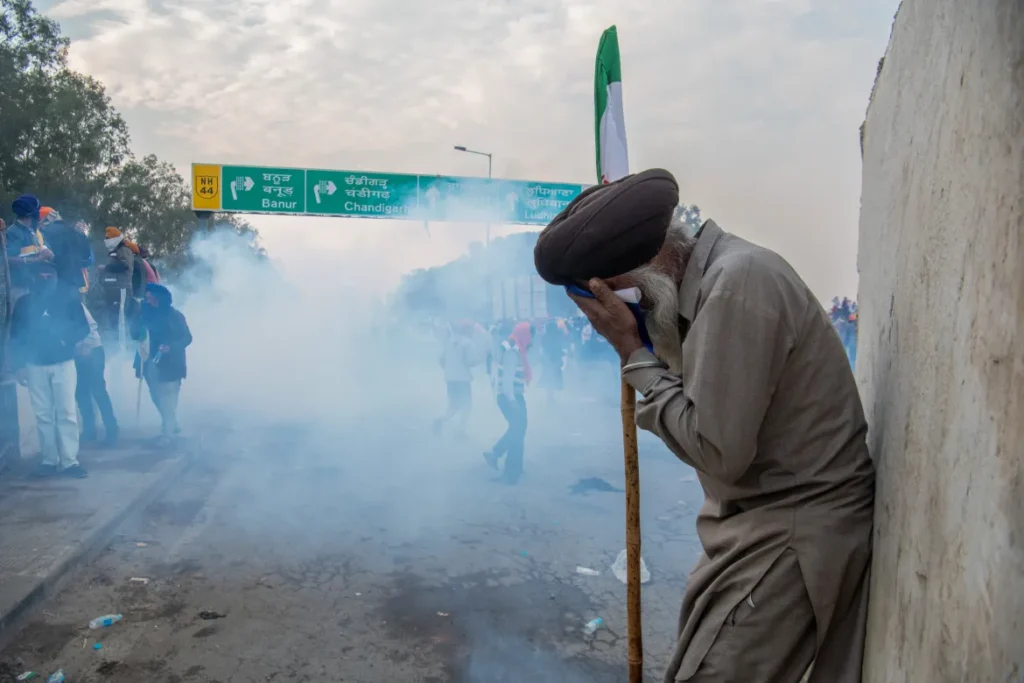
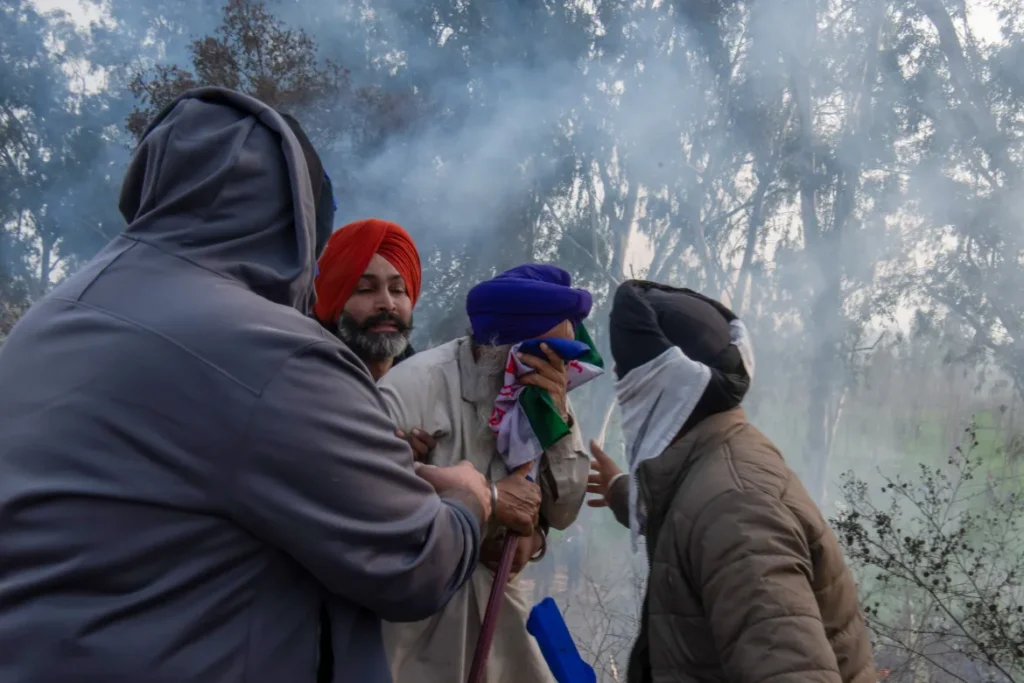
Shielding his eyes, a farmer protects himself from tear gas at the Shambhu village border, where police deployed tear gas shells and rubber bullets to scatter protesting farmers hoping to advance towards New Delhi to voice their demands. 
Dharam Singh Sidhu, 60, vice president of Kissan Sangash Samiti for Ferozepur Punjab, says: ‘Last time, the government gave us a written assurance about the fulUlment of demands, but two years have passed, and the demands remain unmet.’ He said the government was using violence to prevent the protests. ‘They are shelling through drones on unarmed people. What kind of democracy is this?’ He and others have promised to continue their march until they reach Delhi. 
‘The government has no right to stop us,’ says Jasbeer Singh, 76, from Amritsar. ‘Our voices are being choked with unconstitutional and undemocratic means. Democracy is being killed.’ Despite huge sacriUces they have made to help India become self-su`cient in produce such as grain, farmers are being ignored, he said. ‘Seventy-Uve years have passed since this country attained freedom, but we are still awaiting laws that would ensure our security and freedom. Are we not citizens of this country? My forefathers fought for the freedom of this country so that hard-working people get paid according to their work, but the government is only beneUtting big businessmen.’ 
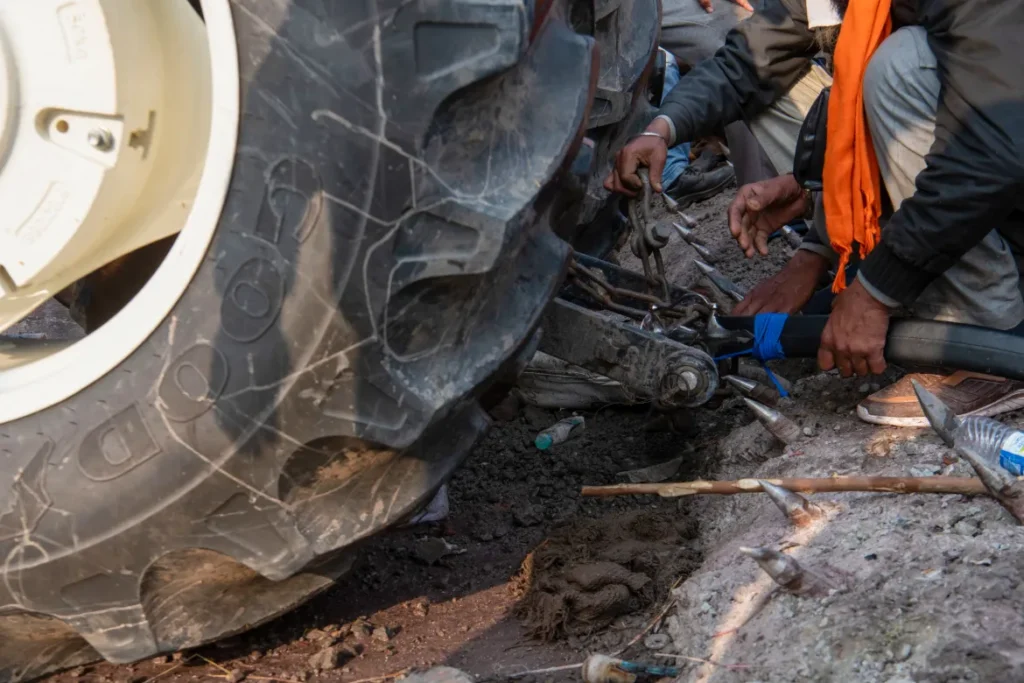
Farmers assemble at the Shambhu border, where authorities have erected barricades to prevent them from continuing their journey towards Delhi. Iron nails have also been laid along routes to Delhi to hinder their journey. 
A protesting farmer shouts slogans at the Shambhu border where farmers were stopped from marching to Delhi to press for their demands.
A farmer poses with a police shield left behind following an assault on protesting farmers, during which several were injured in beatings, at the Shambhu border.
Farmers remove the concrete barricade near the Shambhu border which is blocking their advance towards Delhi, despite authorities placing multiple layered barricades and iron nails to hinder their progress.
‘I was here last time for the whole duration,’ says Sukvindra Kaur, 55, from Bathinda, Punjab. ‘Women make up 50 percent of the population, and every problem doubles for them as they have to run their homes. If any one farmer commits suicide, it puts the burden of the whole family on her.’ Kaur said the government is prioritising the needs of corporations over those of farmers. ‘There are over 50 people in hospitals who have received rubber bullets and smoke shells. It is highly condemnable and it is unfortunate that the farmers who feed the people of the country are being mistreated like this.’ 
Protesting farmers assist a man injured during clashes with police at the Shambhu border with Delhi. As soon as the farmers started to remove the barricade which had been erected to prevent them getting to Delhi, police Ured tear gas shells and rubber bullets to disperse them, they say. 
A protesting farmer shows the casing of a rubber bullet which was Ured at protesters at the Shambhu border, with the aim of preventing them from advancing towards Delhi.
Farmers manoeuvre a tractor through iron nails at the Shambhu border. They have been strategically placed on the roads by Indian police to prevent farmers from reaching Delhi.
A protesting farmer shields his eyes from tear gas as police attempt to prevent the farmers from moving on towards Delhi. Police employed drone shells to disperse the farmers at the Shambhu border. 

Source: Indianexpress, Medianama, Twitter, Al Jazeera, Image-Al Jazeera(Rohit Lohia), Youtube,

Also Read:

LEAVE A REPLY

Please enter your comment!
Please enter your name here

Related articles

Why Governments are Saying “No” to the Cashless Future 

For decades, the narrative surrounding the global economy suggested that physical currency was a dying relic of a...

Driven by lust for power, Rahul Gandhi has trapped the Congress

Dreaming of power, Rahul Gandhi has taken steps that ultimately prove self-defeating for the Congress party. From the...

Rahul Gandhi wants this leader to be the Chief Minister of Kerala, a poster war has erupted amid discussions.

The Congress-led UDF alliance in Kerala is struggling to select a Chief Minister. A series of meetings are...

The process for obtaining Aadhaar cards for children has changed, with biometric authentication becoming mandatory

The central government has made some changes to the process for obtaining Aadhaar cards for children. These changes...
news-1701

sabung ayam online

yakinjp

yakinjp

rtp yakinjp

slot thailand

yakinjp

yakinjp

yakin jp

yakinjp id

maujp

maujp

maujp

maujp

sabung ayam online

sabung ayam online

judi bola online

sabung ayam online

judi bola online

slot mahjong ways

slot mahjong

sabung ayam online

judi bola

live casino

sabung ayam online

judi bola

live casino

SGP Pools

slot mahjong

sabung ayam online

slot mahjong

SLOT THAILAND

berita 128000726

berita 128000727

berita 128000728

berita 128000729

berita 128000730

berita 128000731

berita 128000732

berita 128000733

berita 128000734

berita 128000735

berita 128000736

berita 128000737

berita 128000738

berita 128000739

berita 128000740

berita 128000741

berita 128000742

berita 128000743

berita 128000744

berita 128000745

berita 128000746

berita 128000747

berita 128000748

berita 128000749

berita 128000750

berita 128000751

berita 128000752

berita 128000753

berita 128000754

berita 128000755

artikel 128000821

artikel 128000822

artikel 128000823

artikel 128000824

artikel 128000825

artikel 128000826

artikel 128000827

artikel 128000828

artikel 128000829

artikel 128000830

artikel 128000831

artikel 128000832

artikel 128000833

artikel 128000834

artikel 128000835

artikel 128000836

artikel 128000837

artikel 128000838

artikel 128000839

artikel 128000840

artikel 128000841

artikel 128000842

artikel 128000843

artikel 128000844

artikel 128000845

artikel 128000846

artikel 128000847

artikel 128000848

artikel 128000849

artikel 128000850

article 138000756

article 138000757

article 138000758

article 138000759

article 138000760

article 138000761

article 138000762

article 138000763

article 138000764

article 138000765

article 138000766

article 138000767

article 138000768

article 138000769

article 138000770

article 138000771

article 138000772

article 138000773

article 138000774

article 138000775

article 138000776

article 138000777

article 138000778

article 138000779

article 138000780

article 138000781

article 138000782

article 138000783

article 138000784

article 138000785

article 138000816

article 138000817

article 138000818

article 138000819

article 138000820

article 138000821

article 138000822

article 138000823

article 138000824

article 138000825

article 138000826

article 138000827

article 138000828

article 138000829

article 138000830

article 138000831

article 138000832

article 138000833

article 138000834

article 138000835

article 138000836

article 138000837

article 138000838

article 138000839

article 138000840

article 138000841

article 138000842

article 138000843

article 138000844

article 138000845

article 138000786

article 138000787

article 138000788

article 138000789

article 138000790

article 138000791

article 138000792

article 138000793

article 138000794

article 138000795

article 138000796

article 138000797

article 138000798

article 138000799

article 138000800

article 138000801

article 138000802

article 138000803

article 138000804

article 138000805

article 138000806

article 138000807

article 138000808

article 138000809

article 138000810

article 138000811

article 138000812

article 138000813

article 138000814

article 138000815

story 138000816

story 138000817

story 138000818

story 138000819

story 138000820

story 138000821

story 138000822

story 138000823

story 138000824

story 138000825

story 138000826

story 138000827

story 138000828

story 138000829

story 138000830

story 138000831

story 138000832

story 138000833

story 138000834

story 138000835

story 138000836

story 138000837

story 138000838

story 138000839

story 138000840

story 138000841

story 138000842

story 138000843

story 138000844

story 138000845

article 138000726

article 138000727

article 138000728

article 138000729

article 138000730

article 138000731

article 138000732

article 138000733

article 138000734

article 138000735

article 138000736

article 138000737

article 138000738

article 138000739

article 138000740

article 138000741

article 138000742

article 138000743

article 138000744

article 138000745

article 208000456

article 208000457

article 208000458

article 208000459

article 208000460

article 208000461

article 208000462

article 208000463

article 208000464

article 208000465

article 208000466

article 208000467

article 208000468

article 208000469

article 208000470

journal-228000376

journal-228000377

journal-228000378

journal-228000379

journal-228000380

journal-228000381

journal-228000382

journal-228000383

journal-228000384

journal-228000385

journal-228000386

journal-228000387

journal-228000388

journal-228000389

journal-228000390

journal-228000391

journal-228000392

journal-228000393

journal-228000394

journal-228000395

journal-228000396

journal-228000397

journal-228000398

journal-228000399

journal-228000400

journal-228000401

journal-228000402

journal-228000403

journal-228000404

journal-228000405

article 228000376

article 228000377

article 228000378

article 228000379

article 228000380

article 228000381

article 228000382

article 228000383

article 228000384

article 228000385

article 228000386

article 228000387

article 228000388

article 228000389

article 228000390

article 228000391

article 228000392

article 228000393

article 228000394

article 228000395

article 228000396

article 228000397

article 228000398

article 228000399

article 228000400

article 228000401

article 228000402

article 228000403

article 228000404

article 228000405

article 228000406

article 228000407

article 228000408

article 228000409

article 228000410

article 228000411

article 228000412

article 228000413

article 228000414

article 228000415

article 228000416

article 228000417

article 228000418

article 228000419

article 228000420

article 228000421

article 228000422

article 228000423

article 228000424

article 228000425

article 228000426

article 228000427

article 228000428

article 228000429

article 228000430

article 228000431

article 228000432

article 228000433

article 228000434

article 228000435

article 238000461

article 238000462

article 238000463

article 238000464

article 238000465

article 238000466

article 238000467

article 238000468

article 238000469

article 238000470

article 238000471

article 238000472

article 238000473

article 238000474

article 238000475

article 238000476

article 238000477

article 238000478

article 238000479

article 238000480

article 238000481

article 238000482

article 238000483

article 238000484

article 238000485

article 238000486

article 238000487

article 238000488

article 238000489

article 238000490

article 238000491

article 238000492

article 238000493

article 238000494

article 238000495

article 238000496

article 238000497

article 238000498

article 238000499

article 238000500

article 238000501

article 238000502

article 238000503

article 238000504

article 238000505

article 238000506

article 238000507

article 238000508

article 238000509

article 238000510

article 238000511

article 238000512

article 238000513

article 238000514

article 238000515

article 238000516

article 238000517

article 238000518

article 238000519

article 238000520

update 238000492

update 238000493

update 238000494

update 238000495

update 238000496

update 238000497

update 238000498

update 238000499

update 238000500

update 238000501

update 238000502

update 238000503

update 238000504

update 238000505

update 238000506

update 238000507

update 238000508

update 238000509

update 238000510

update 238000511

update 238000512

update 238000513

update 238000514

update 238000515

update 238000516

update 238000517

update 238000518

update 238000519

update 238000520

update 238000521

sumbar-238000396

sumbar-238000397

sumbar-238000398

sumbar-238000399

sumbar-238000400

sumbar-238000401

sumbar-238000402

sumbar-238000403

sumbar-238000404

sumbar-238000405

sumbar-238000406

sumbar-238000407

sumbar-238000408

sumbar-238000409

sumbar-238000410

news-1701