

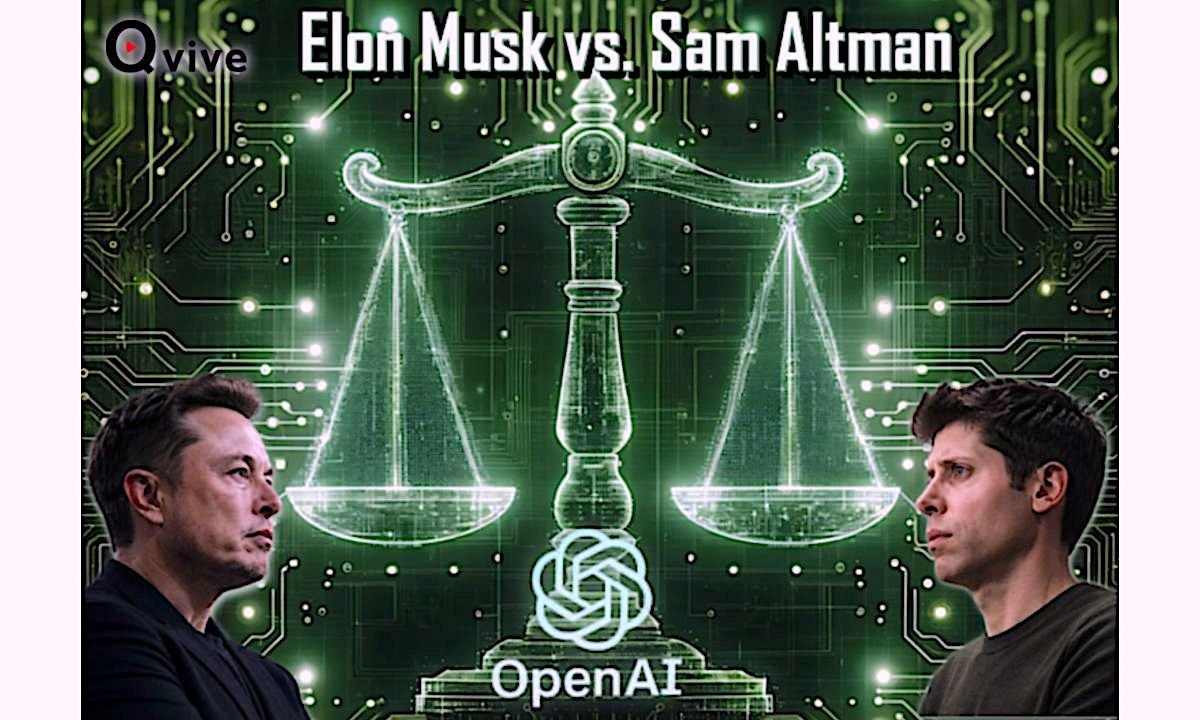
The trial began on April 27, 2026, in Oakland, California, involving Elon Musk’s lawsuit against OpenAI and its CEO Sam Altman. At the heart of the case is Musk’s claim that OpenAI has strayed from its initial mission as a non-profit dedicated to benefiting humanity. He is seeking over $130 billion in damages.
-
- Elon Musk: Co-founder of OpenAI, now the leader of his own AI company, xAI, which he founded in 2023.
- Sam Altman: CEO of OpenAI, who Musk accuses of mismanagement and altering the mission of the organization.
- OpenAI: Originally founded as a non-profit in 2015, it converted into a public benefit corporation in 2025, a move Musk claims violates original commitments to donors.
Musk’s legal claims include breach of contract and fiduciary duty, accusing OpenAI’s leadership of misleading him regarding the use of AI technology developed for the public benefit. He argues that the organization’s collaboration with Microsoft favors corporate interests over the non-profit objectives for which he and other original donors supported it.
The Trial’s Significance
This trial is a landmark event in the tech world, with implications that could reshape guidelines for how nonprofit AI research organizations operate and transition into profit-making entities. The outcome of this case may set lasting precedents regarding donor rights and the governance of AI technologies.
Financial Stakes
- Musk is asking for damages potentially exceeding $130 billion, a figure representing the alleged loss of value and fraud connected to OpenAI’s transformations.
- The case could have extensive ramifications not only for Musk but also for Microsoft, which has extensive financial ties to OpenAI through investments and commitments estimated at $13 billion.
OpenAI’s Position
OpenAI argues that Musk’s lawsuit is not about protecting public interests but rather a tactic to weaken a competitor, Musk’s own AI startup, xAI, which he launched in 2023. They label the lawsuit as opportunistic and firmly believe they acted within the law.
What Happens Next?
The trial is expected to last two to three weeks, concluding around mid-May 2026. The advisory jury’s input will influence but not dictate the judge’s final ruling. Both parties are prepared for an appeal, regardless of the outcome, indicating a lengthy legal battle that could stretch into 2027.
Broader Implications
- AI Governance: The trial raises critical questions about the governance of AI labs, allowing for considerations such as whether nonprofit missions can be altered without donor approval and if advanced AI technologies should be considered public goods.
- Industry Reaction: The tech industry is closely monitoring the trial, with experts suggesting it will influence future legislation regarding nonprofit conversions and how AI companies disclose shifts in governance.
This ongoing legal confrontation not only reflects the bitter rivalry between well-known tech figures but also raises critical questions about corporate ethics, competition, and the future of AI governance. The courtroom proceedings will likely have far-reaching implications for the strategic trajectories of both Musk’s and Altman’s organizations, particularly concerning their ambitions to become publicly traded companies. As the trial unfolds, industry stakeholders will be closely monitoring its impact on the rapidly changing landscape of artificial intelligence.
Also Read:
The Dark Underbelly of AI: Epstein, Eugenics, and the Hidden Agenda Behind Your Digital Life
Elon Musk is taking legal action against OpenAI’s CEO, Sam Altman. Here’s why he’s filing a lawsuit.