

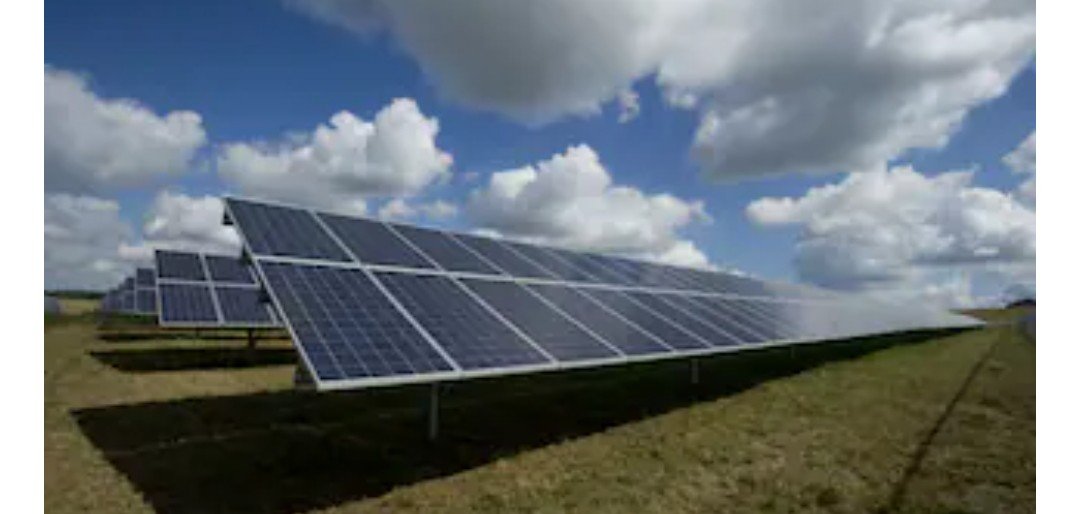
The use of solar panels is steadily increasing. Over the past few years, the adoption of solar energy systems has accelerated, and solar panels are now visible everywhere, from cities to villages. However, many misconceptions still persist regarding solar panels. For example, many believe that solar panels stop working when it’s cloudy or require constant maintenance. But is this really true? Let’s explore some myths and the truth behind them.
Myth – Many people believe that solar panels cannot generate electricity when it’s cloudy.
Fact – This is not the case. Solar panels need light to generate electricity. They can generate electricity even when there’s no sunlight. Solar panels can generate energy by capturing photons that pass through clouds. Yes! It’s true that output is slightly reduced when there’s no direct sunlight during cloudy weather, but energy generation doesn’t stop completely.
Myth: Solar panel systems require constant maintenance.
Fact: Solar panels do not require constant maintenance. After installing solar panels, it is recommended to have them inspected by a professional once or twice a year. Since there are no moving parts, the chances of any problems are less. Furthermore, when it comes to cleaning, if you live in a dusty area, you should clean the panels once a month.
Myth: Solar panels are only successful in areas with intense sunlight.
Fact: Many people believe that solar panel systems are most successful in states with intense sunlight, including Rajasthan, Uttar Pradesh, Haryana, and Punjab.
Fact: This is not true. Solar panels work in every part of the country. Their output may fluctuate depending on the number of sunny days, but there is no place where solar panels do not work.
Myth: Solar panels stop working in extreme heat
Fact: Many people believe that solar panels don’t work in extreme heat. There’s no doubt that heat affects solar panels’ efficiency, but they don’t stop working. High temperatures do reduce efficiency slightly, but now there are panels that significantly reduce this effect.