

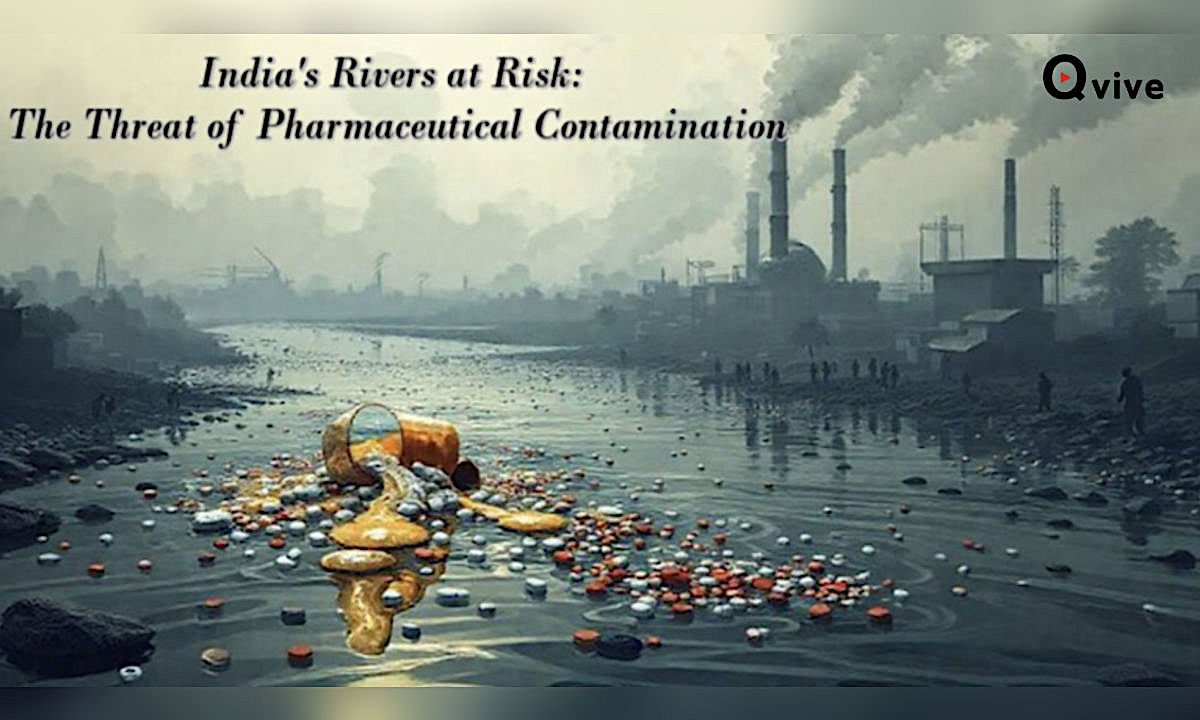
The water purification sector in India is facing significant challenges due to the rise of pharmaceuticals.
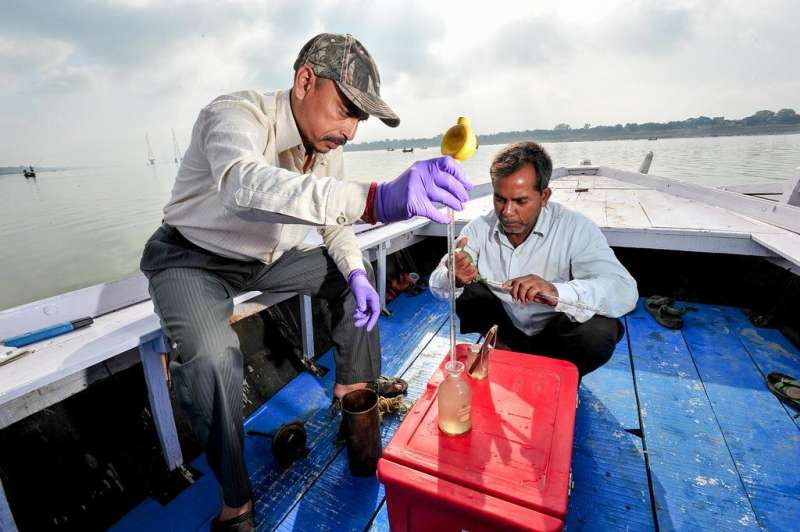
The abundance of active pharmaceutical ingredients (APIs) and their residues in water bodies of India is turning into a major environmental and public health menace to the country that stands as the largest supplier of the global pharmaceutical market. The presence of Emerging Contaminants (ECs) is the source of concern for scientists, decision-makers, and environmental activists since these contaminants are an almost hidden threat to aquatic ecosystems and human health.
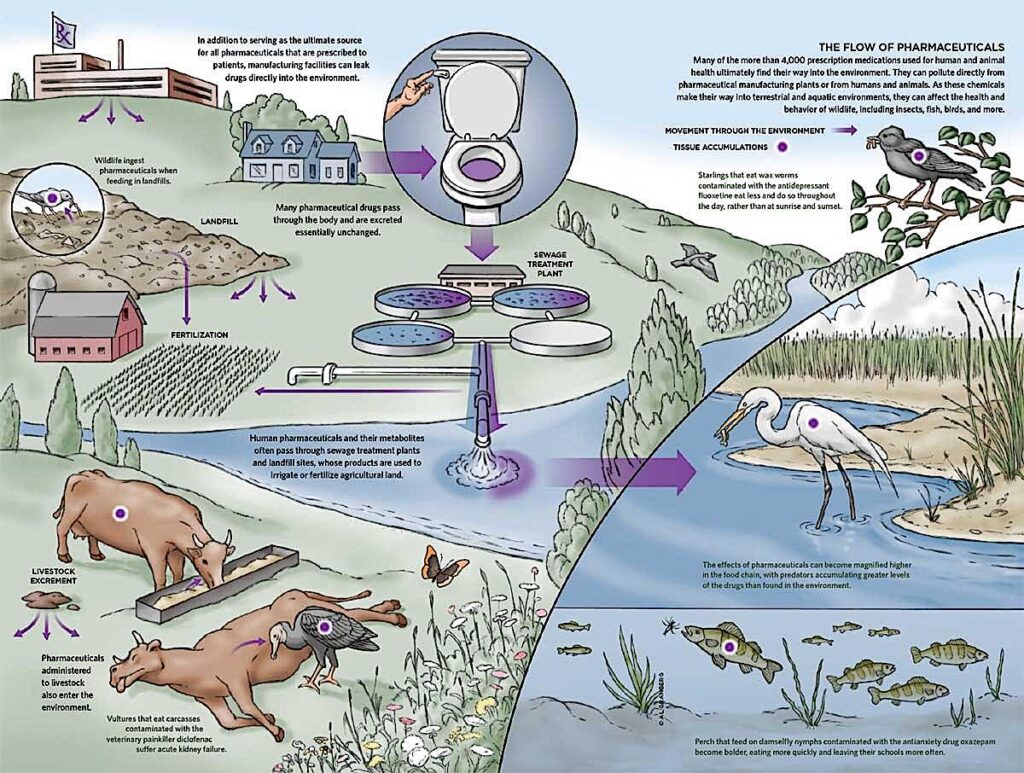
Besides antibiotics, drugs that relieve pain, stimulate hormones, antidepressants, or others are detected not only in the river Ganges but also in lakes of Bengaluru and, increasingly, in groundwater and tap water supplies. The contamination has gone very far due to a mixture of reasons, among which are industrial discharges, insufficient wastewater treatment, incorrect disposal of expired medicines, and the excretion of humans and animals..
The Invisible Threat: What are Emerging Contaminants?
Through the absence of regulation, ECs differ from traditional pollutants such as heavy metals or pesticides, and researchers are still grasping the extent of their effects on health and the environment over time. But preliminary studies suggest a worrying situation.

Sources of Contamination: A Multi-Front Battle
1. Pharmaceutical manufacturing is a major contributor to India’s industrial discharge, with Telangana and Gujarat being prominent examples. Despite regulations in place, the enforcement gaps and excessive production lead to APIs entering rivers and lakes with inadequate pre-treatment.
2. Most WWTPs in India are not equipped to handle the removal of complex organic molecules, including pharmaceuticals, due to their inadequate wastewater treatment. Medications that have been eliminated from the bodies of humans and animals, or drugs that were disposed of down the toilet, can drug plants to be spread easily and thus pollute rivers that are used for irrigation or even rivers used for irrigation.
3. Inappropriate disposal: Inactive or expired drugs are disposed of by consumers by flushing them through their toilets or throwing them into the trash, which, if released in the wastewater stream or landfills, can cause pollution of the wastewater stream or landfills and groundwater contamination due to leaching.
4. The suffering of animals and the shedding of farms containing antibiotics, and products for the acceleration of growth of ruminants can get into the soil.
The Alarming Impacts:
The presence of pharmaceuticals in water poses several risks:
This is, maybe, the major concern over Antimicrobial Resistance (AMR). The regular contamination of microorganisms in water with antibiotics below the therapeutic concentration is a situation where bacteria will eventually become resistant to the drugs and accordingly produce superbugs. These resistant genes can then be transferred to human pathogens and thereby create a threat that, among other things, can make the fight against infectious diseases less effective. Many public health experts say that pharmaceutical pollution in our water bodies is the main driver of this process, and we are moving faster than ever. The presence of other compounds can impact ecosystem equilibrium, growth, and development.
The long-term effects of chronic exposure to various drugs are not well understood, despite the fact that current concentrations have low direct acute toxicity. Investigations indicate potential associations with endocrine disruption, developmental difficulties, and other chronic ailments, particularly in vulnerable groups.
Policy and Progress: Acknowledging the Challenge
The Indian government, through the Ministry of Environment, Forest, and Climate Change (MoEFCC) and the Central Pollution Control Board (CPCB), has begun to acknowledge the problem. Recent initiatives include:
- Draft Guidelines for the Pharma Sector: The CPCB has issued draft guidelines for the pharmaceutical industries on environmental management practices and effluent treatment.
- Monitoring Programs: Research institutions and environmental bodies are conducting studies to map the extent of contamination and identify specific hotspots.
- Focus on AMR: The issue of pharmaceutical pollution is increasingly being integrated into national action plans against AMR.
- Extended Producer Responsibility (EPR): Discussions are underway regarding implementing EPR for pharmaceutical waste, which would hold manufacturers responsible for the life cycle of their products, including disposal.
On the other hand, there are still major issues. Several cities find that the expense of upgrading their existing wastewater treatment plants to employ more advanced technologies like activated carbon filtration or reverse osmosis is extremely high. What is more, the lack of sufficient all-India data causes difficulties in policy implementation.
Addressing the pharmaceutical pollution crisis requires a multi-pronged, collaborative approach:
- Stricter Industrial Regulations and Enforcement: Mandating advanced effluent treatment technologies and rigorous monitoring in pharmaceutical manufacturing units.
- Upgrading Wastewater Infrastructure: Investing in advanced treatment technologies at municipal WWTPs to effectively remove ECs.
- Public Awareness Campaigns: Educating citizens on the proper disposal of unused and expired medicines.
- Research and Development: Further investigation into the exact pathways, impacts, and cost-effective removal technologies for ECs in the Indian context.
- Inter-Ministerial Coordination: A unified approach involving health, environment, and industry ministries.
The MoEFCC official stressed that the preservation of water purity is crucial for public health and sustainable development, and India must take steps to ensure that its industrial success does not harm the environment as a responsible pharmaceutical supplier.
It’s not just about the environment; it’ a matter of how we all live.
Pharmaceuticals are a hidden threat in water that requires immediate and long-term action. If we don’t act, India could face a future where the medicines meant to help us might actually cause a much bigger, quiet problem.
Ref:
- https://www.stopamr.eu/blog/policy/pharmaceutical-pollution-in-india-and-eus-role/
- https://www.drishtiias.com/daily-updates/daily-news-analysis/pharmaceutical-pollution
- https://accesstomedicinefoundation.org/resource/how-pharma-companies-manage-the-discharge-of-antibacterial-wastewater
- https://www.techtarget.com/pharmalifesciences/feature/Understanding-the-environmental-impact-of-the-pharmaceutical-industry
Also Read: