

Many people dismiss persistent eye pain, blurred vision, or vision loss as simple fatigue, thinking it’s just fatigue. However, experts believe that in some cases, these symptoms could be a sign of eye cancer. Although this disease is not very common, if not detected early, it can pose a threat not only to vision but also to life.
According to Centreforsight, an organization that provides information about eyes, eye cancer occurs when cells inside the eye begin to grow uncontrollably. This problem can occur in different parts of the eye, such as the retina, iris, or uvea. Research shows that if the disease is detected in its early stages, treatment is more effective and the chances of saving eyesight are also increased.
According to the eye information organization Centerforsight, eye cancer occurs when cells inside the eye begin to grow uncontrollably. This problem can occur in various parts of the eye, such as the retina, iris, or uvea. Research shows that if the disease is detected early, treatment is more effective and the chances of vision preservation are increased.
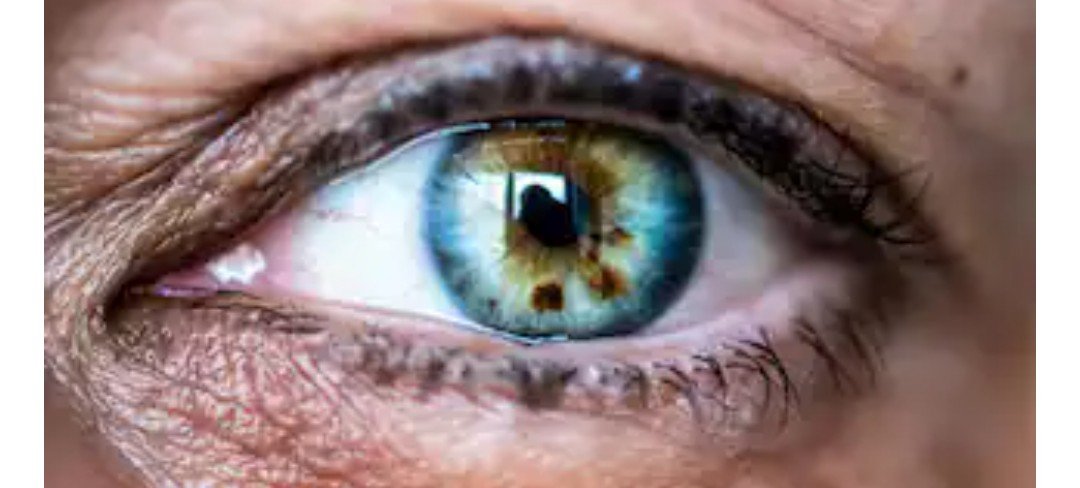
There are several types of eye cancer. Intraocular melanoma is most common in adults. Its symptoms can include blurred vision, dark spots on the pupil, or changes in the pupil’s shape. Retinoblastoma, a type of cancer, is more common in young children.
Experts say that certain changes in the eyes should never be taken lightly. If you experience persistent blurred vision, straight lines appear crooked, the pupil’s shape changes, or your field of vision begins to decrease, you should get an examination done immediately. In many cases, swelling, lumps, or persistent redness around the eye can also be serious signs.
The important thing is that eye cancer is not always painful in its early stages. This is why many people delay seeing a doctor. Experts believe that regular eye checkups are the best way to detect this disease early. People with light-colored eyes or a family history of cancer need to be especially careful. Research has also shown that prolonged exposure to strong ultraviolet rays, smoking, excessive alcohol consumption, and working in an environment with harmful chemicals can increase the risk of eye cancer. The risk also increases with age.