

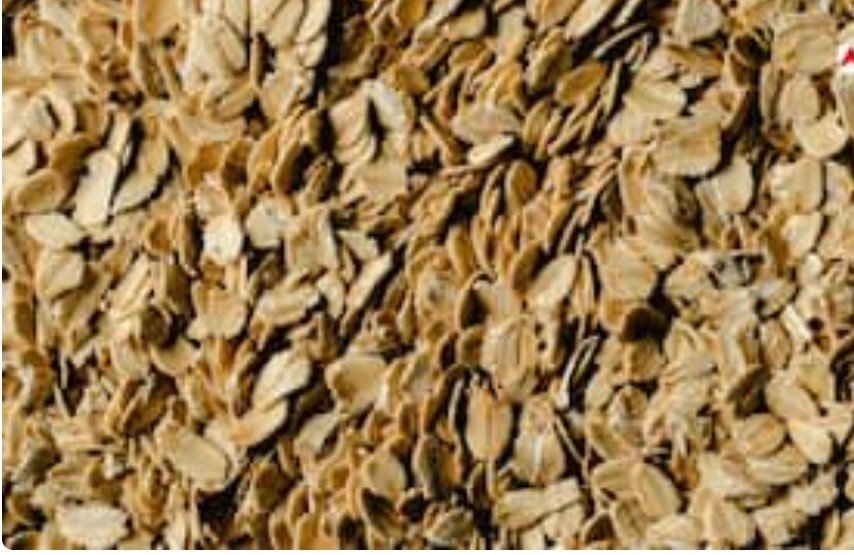
Oats are now considered the epitome of healthy eating. They’re present everywhere, from breakfast to light dinner. The labels on the packets tout them as rich in fiber, and fitness routines often begin with oats. But the real question is: are oats equally beneficial for everyone? According to doctors, the answer isn’t so simple. While oats certainly have benefits, they also have some disadvantages that are less discussed.
Oats earned the “superfood” status because they contain a soluble fiber called beta-glucan. It slows down digestion and, over time, helps lower cholesterol. This is why it’s considered good for heart health. According to Dr. Alok Kumar Singh, “Beta-glucan helps lower cholesterol, but its effect also depends on the form in which you consume oats and your body’s sensitivity.”
Research also supports that regular consumption can lower LDL cholesterol. According to nutrition expert Anshul Singh, the fiber present in oats improves digestion and keeps you full for longer.
But not all types of oats work the same. Instant oats, in particular, are digested quickly, which can cause a rapid rise in blood sugar. According to Dr. Singh, due to their high processing, they rapidly increase glucose levels in the body. Flavored oats also contain added sugars, which can worsen the problem. This can be a concern for people with diabetes or insulin resistance. Steel-cut or rolled oats are considered better because they digest more slowly.
Oats are high in fiber, which may not be comfortable for everyone. Consuming large amounts of oats can cause bloating, gas, or Problems like pain can occur. Dr. Singh explains that some people experience digestive problems. Furthermore, oats contain phytates, which can reduce the absorption of essential minerals like iron and zinc. According to Anshul Singh, this problem can worsen if excessive oats are consumed daily and there is no variety in the diet.
Oats are gluten-free, but they are still not safe for everyone. They are often processed in places where wheat is also used, which increases the risk of adulteration. This can be risky for those with celiac disease or gluten sensitivity. Additionally, those with poor digestion or poor blood sugar control should exercise caution.