

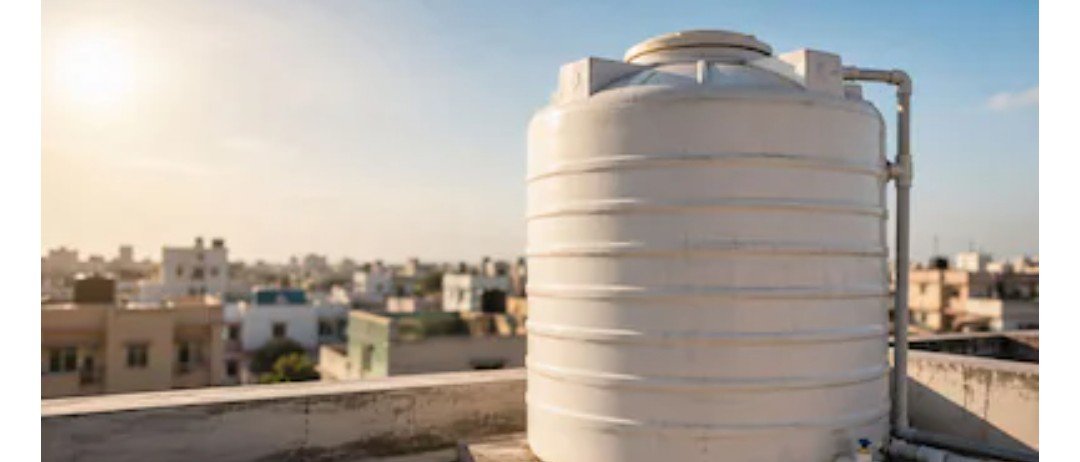
As soon as summer begins, water tanks stored on rooftops begin to heat up due to intense sunlight and heatwaves. Plastic tanks, in particular, remain exposed to hot temperatures for hours, raising concerns about microplastics. Microplastics are extremely small plastic particles that can reach water and food when the plastic breaks or deteriorates. The World Health Organization has also called for increased research and monitoring on microplastics. Experts believe that poor-quality or old plastic tanks can degrade quickly in high heat, leading to the release of small plastic particles into the water. This is why people are now wondering whether even daily water use can gradually become a health risk.
Microplastics are very small plastic particles, less than 5 millimeters in size. Sometimes they are so small that they are invisible to the naked eye. When plastic breaks, wears out, or weakens due to sunlight and heat, these particles can detach and enter water and food.
According to health organization reports, microplastics can also be found in drinking water, and research is ongoing.
In summer, plastic rooftop tanks are constantly exposed to intense sunlight and high temperatures. In many cities, temperatures reach above 45 degrees Celsius, causing the outer surface of the tank to become extremely hot.
According to experts, prolonged exposure to UV rays and heat gradually weakens plastic. If the tank is of poor quality or is very old, its tiny particles can dissolve in the water.
According to experts, prolonged exposure to UV rays and heat gradually weakens plastic. If the tank is of poor quality or is very old, its tiny particles can dissolve in the water. If the tank begins to discolor, the surface feels rough, cracks appear, or the plastic appears weak, it may be a sign that the plastic is degrading.
When microplastics get into water, they can enter the body through drinking, cooking, or other household uses. Several studies have found that microplastics can reach human blood.
In a study conducted in the Netherlands, scientists found plastic particles in human blood for the first time. Further research from 2024 and 2025 has also raised concerns about a possible link between microplastics and blood clotting.
According to health experts, microplastics can cause inflammation, hormonal changes, digestive problems, and impact immunity. Some studies are also ongoing regarding their effects on the heart and blood circulation. However, scientists are still conducting further research on their long-term effects.
Always use a good-quality, food-grade plastic tank.
Replace an overly old or damaged tank immediately.
Install a shade or cover to protect the tank from direct sunlight.
Use a commercially available thermal insulation cover for the tank.
Place a green net, tin shed, or fiber sheet over the tank to protect it from direct sunlight.
Cover the tank with a jute cloth or gunny sack and moisten it periodically.
Place a thermocol sheet around the tank and secure it with tape.
Have the tank cleaned and inspected periodically.
During intense heat and heatwaves, it’s not wise to ignore the safety of plastic tanks. Scientific research on microplastics is still ongoing, but experts advise caution. Small steps like choosing the right quality tank, regular checkups, and sun protection can help protect your family from potential risks.