

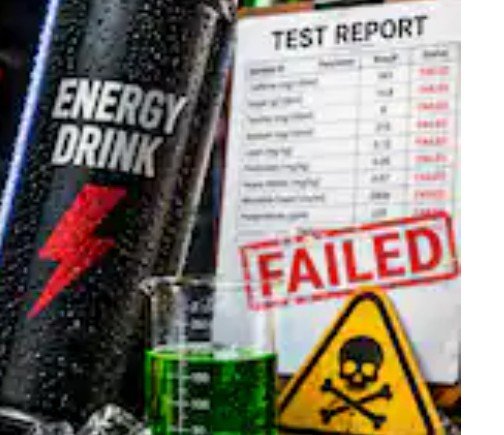
Amid the increasing consumption of energy drinks and caffeinated beverages, the government has increased surveillance and strict enforcement. In a parliamentary response, the government stated that the FSSAI is continuously conducting inspections, taking action on labeling, and preventing adulteration. Furthermore, the findings of these inspections have raised concerns.
According to the government, 223,808 food samples were tested across the country in 2025-26. Of these, 40,023 samples were found to be non-compliant. In these cases, penalties were imposed in 31,878 civil cases, while convictions were obtained in 1,918 criminal cases.
The FSSAI has already clarified that there is no legal category called ‘Health Drink.’ Following this, e-commerce platforms were instructed not to display such products in the wrong category and to place them in the correct category.
According to the government, caffeinated beverages can contain only 145 to 300 mg of caffeine per liter. Each product must also carry a warning stating that consumption of more than 500 ml per day is prohibited.
The government stated that the FSSAI is running the #NoToAdulteration campaign. Additionally, efforts are being made to detect adulteration and raise awareness through Food Safety on Wheels, RAPID test kits, DART booklets, and mobile food testing labs.
Parliament was asked whether adulterated energy drinks and excessive caffeine are contributing to the rise in cancer, stroke, and heart disease. The government, in its response, did not confirm any direct scientific link. It simply provided information about regulations, established standards, and actions.