

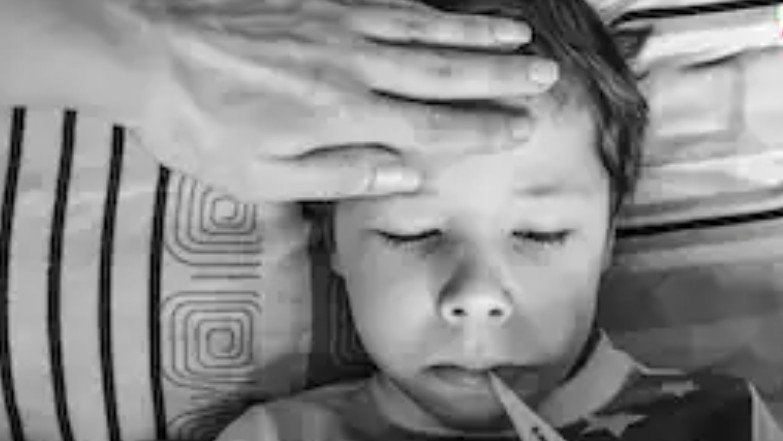
It’s common for children to experience fever during changing weather. However, sometimes high fevers can also be accompanied by a drop in their blood pressure, which can be a cause of concern for parents. High fevers often cause the body to lose a lot of water through sweat, leading to dehydration. This dehydration is considered the most common cause of low blood pressure in children. Furthermore, if the fever is caused by a serious infection, low blood pressure can also be a problem. In such cases, many people are at a loss as to what to do.
There are specific symptoms of low blood pressure in children, which parents must recognize. If a child becomes lethargic, frequently falls asleep, or is unable to respond properly, this could be a sign of low blood pressure. Symptoms include cold hands and feet, pale skin, rapid or irregular breathing, and dizziness.
In some cases, the child may also experience vomiting or diarrhea, which further worsens dehydration and reduces urination. If the child feels extremely weak or suddenly calms down and becomes lethargic after crying, this should not be taken lightly, as it could be a sign of a serious condition.
If the child’s blood pressure begins to drop along with the fever, it is important to remain calm and take appropriate action instead of panicking. Lay the child down and keep their legs slightly elevated, this improves blood flow to the brain. Additionally, give the child ORS solution, water, coconut water, or a salt-sugar solution at regular intervals to replenish the body’s hydration.
To reduce fever, place a cloth dampened with lukewarm or normal water on the child’s forehead and body, but avoid using very cold water. Free the child from tight clothing and keep them in an open, well-ventilated area. Furthermore, the most important thing is that if the child becomes lethargic, faints, has cold hands and feet, or rapid breathing, take them to a doctor immediately.