

Should We Be Concerned About Geoengineering?
Geoengineering is the deliberate large-scale intervention in the Earth’s natural systems to counteract climate change.
Few people are aware of the relatively new science of geoengineering. Some scientists who are aware (like me) consider it a genuine threat to our planet’s climatic stability and ecosystems. Moreover, geoengineering, if left unconstrained, could pose a real danger to human health through the choice and toxicity of the materials used.
Geoengineering activities release hazardous emissions that are harmful to human health and our environment.
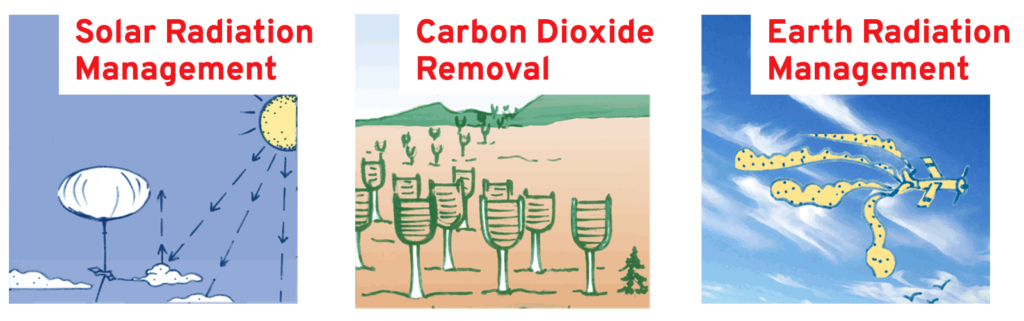
TYPES OF GEOENGINEERING
Related Article:
Governments should provide opportunities for the public to express their opinions, concerns, and suggestions. This can be achieved through public consultations, stakeholder engagements, and town hall meetings. By actively listening to the diverse voices of society, governments can incorporate public opinions into decision-making processes, leading to a more inclusive and representative approach
“Discover the legal implications of Supreme Court’s notice on non-informed consent from the public in Indian law geoengineering. Learn about the consequences and regulations surrounding this crucial issue. Stay informed and safeguard your rights with our comprehensive guide. Read now!“
Environmental and Health Risks
Geoengineering projects, although conducted with the intention of mitigating climate change, can have unintended consequences. Without informed consent, the public may unwittingly be exposed to environmental risks, such as altered weather patterns, changes in ecosystems, or even potential health hazards. Informed consent ensures that individuals are aware of these risks and can make informed choices regarding their potential participation.
Chemical Toxicity:
Aluminum
Eyes, Skin, Respiratory System, Neurogenerative Disease; Alzheimers, Multiple Sclerosis, Autism
Ref – https://pubchem.ncbi.nlm.nih.gov/compound/Aluminum-oxide
(https://www.nature.com/articles/s41598-020-64734-6.pdf )
Barium
Skin, Eyes , Respiratory, Cardiac Arrhythmias, Heart Disease
Ref – https://pubchem.ncbi.nlm.nih.gov/compound/barium
Strontium
Respiratory Hazard, Neurodegenerative Diseases, Cancer Hazardous to aquatic life with long lasting harmful effects
Ref – https://pubchem.ncbi.nlm.nih.gov/compound/strontium
Sulfur Dioxide SO2
Asthma, especially in children, acid rain, harmful to plants, agriculture, vegetation, trees
Ref – https://pubchem.ncbi.nlm.nih.gov/compound/sulfur-dioxide
Sulfuric Acid H2SO4
[DANGER] corrosive to skin, eyes, and mucous membranes;
Several epidemiological studies have suggested a relationship between exposure to inorganic acid mists containing sulfuric acid and an increased incidence of laryngeal cancer. IARC has concluded that occupational exposure to strong inorganic mists containing sulfuric acid is carcinogenic for humans. https://pubchem.ncbi.nlm.nih.gov/compound/1118
Lithium
[aerospace and pharmaceutical uses]
abdominal pain, acute kidney injury, acidosis
causes severe eye and skin burns
https://pubchem.ncbi.nlm.nih.gov/compound/lithium
Manganese
[Warning]Flammable, Irritant, Environmental Hazard
Eye irritation, toxic and harmful to aquatic life, with long lasting effects
https://pubchem.ncbi.nlm.nih.gov/compound/23930
A DEBATE ON GEOENGINEERING: VANDANA SHIVA VS. GWYNNE DYER
CIA Director Brennan Speaks at the Council on Foreign Relations | 29 June 2016
Informed Consent and Geoengineering / Weather Modification
Obtaining informed consent from the public is a fundamental principle of democratic governance and a key requirement for any project that may impact the environment and public health. In the context of geoengineering, informed consent becomes particularly significant due to the potential risks and uncertainties associated with these techniques.
Public Indian Law and the Right to Information
The Right to Information Act of 2005 in India empowers citizens to access information from public authorities and ensures transparency and accountability.
Non-consent to Geoengineering projects such as Solar geoengineering, Carbon geoengineering, cloud-seeding, High-Frequency Active Auroral weather modification, solar radiation management, facilities such as NEXRAD, HAARP, CERN, and other LHC facilities. And every other military- or privately owned facility involved with any weather modification programs.
The Consequences of Failing to Obtain Informed Consent
CLICK HERE Failure to obtain informed consent can have serious consequences from both legal and ethical standpoints. From a legal perspective, non-compliance with the EIA(Environmental Impact Assessment) Notification and other relevant regulations can lead to legal action and penalties. Additionally, affected individuals and communities may also file civil suits for compensation for any harm caused by the geoengineering activities. In addition to the EIA process, public consultation plays a vital role in securing informed consent for geoengineering projects in India. The Environmental Impact Assessment Notification, 2006, mandates that every project seeking environmental clearance must undergo a public consultation process. This process involves conducting public hearings in the affected areas, allowing affected communities and stakeholders to express their views and concerns about the project. The feedback received during public consultations is considered while making the final decision on granting environmental clearance. In recent years, the global community has become increasingly concerned about the potential consequences of geoengineering, a controversial practice involving the deliberate manipulation of the Earth’s climate system. The Supreme Court’s notice on the implications of not obtaining informed consent for geoengineering projects has sparked significant discussion and raised important questions. The Supreme Court’s Notice The Supreme Court’s notice serves as a wake-up call to the geoengineering community and highlights the need to prioritize informed consent. The notice emphasizes that any large-scale geoengineering project must receive consent from the affected communities, nations, and relevant stakeholders. This requirement ensures that people have the opportunity to express their concerns, voice objections, and participate in the decision-making process regarding projects that may have far-reaching consequences. To better understand the legal implications, it is worthwhile to examine specific case studies and precedents set by the Supreme Court of India. These cases shed light on the court’s approach to issues related to informed consent and environmental protection. Failure to obtain informed consent from the public in geoengineering projects can have significant legal ramifications. Some potential legal implications include: June 27, 2023: The Congressional Research Service published a report in May of this year which outlines various geoengineering methods, including stratospheric aerosol injection (SAI), marine cloud brightening (MCB), and cirrus cloud thinning (CCT). Policymakers are interested establishing a governance framework for solar geoengineering (SG). Report: https://crsreports.congress.gov/product/pdf/R/R47551 According to the paper, “The 117th Congress appropriated funds for FY2022 for activities related to SG in the Consolidated Appropriations Act of 2022…These included the preparation of a report by the Office of Science and Technology Policy (OSTP) in conjunction with the National Oceanic and Atmospheric Administration (NOAA) and the National Science Foundation (NSF)…Further, under this legislation OSTP, working with NOAA, the National Aeronautics and Space Administration (NASA), and the Department of Energy (DOE), is tasked to form an interagency working group to manage SG risk and research and to develop a governance framework for publicly funded SG research.” In addition to acknowledging likely transboundary effects, the report cites the potential for SAI to reduce precipitation as well as potentially having a damaging effect on stratospheric ozone. Omitted from the report is Mexico’s ban on Solar Geoengineering, health impacts, and the lack of informed public consent for SG. ( https://zerogeoengineering.com/2023/government-announces-experimentation-with-solar-geoengineering-will-not-be-allowed-in-mexico/ ) ( https://zerogeoengineering.com/wp-content/uploads/2016/10/R41371.pdf ) Additional Information: Solar geoengineering doesn’t help reduce carbon emissions, and is founded on reckoning with the distressing possibility that reduction strategies won’t be enough. Ref: https://thewire.in/the-sciences/geoengineering-should-india-tread-carefully-or-go-full-steam-ahead Source: Zerogeoengineering, Principia scientific International Also Read:Public Consultation and Consent:
The Supreme Court’s Notice: Implications for Not Obtaining Informed Consent on Geoengineering

Legal Implications of Not Obtaining Informed Consent
2023 Congressional Solar Geoengineering Report Acknowledges Likely Transboundary Effects
Geoengineering: Governance and Technology Policy
Geoengineering: Should India Tread Carefully or Go Full Steam Ahead?
Why should there be consent to commit crime?
Crime is Crime. It should be Punished.