

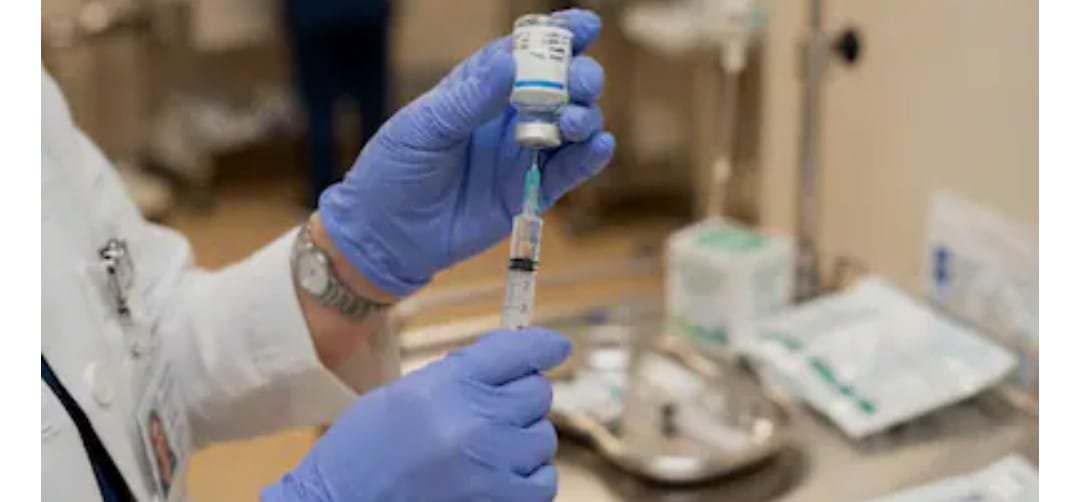
India has received its first dengue vaccine. India has approved Takeda’s QDENGA, its first dengue vaccine. India has taken a major step in the fight against dengue after the Central Drugs Standard Control Organization (CDSCO) approved Takeda’s QDENGA (TAK-003), making it the country’s first approved dengue vaccine. This approval comes at a time when India has one of the highest number of dengue cases in the world.
Dr. Charu Dutt explains that QDENGA is a live-attenuated tetravalent vaccine, which means it is designed to protect against all four dengue virus serotypes (DENV-1, DENV-2, DENV-3, and DENV-4). Unlike the older dengue vaccine, Dengvaxia, QDENGA does not require people to undergo a blood test to determine if they have had dengue before, which is a major advantage for large-scale public health programs.
This vaccine has already been approved in more than 40 countries, including the European Union, the United Kingdom, Brazil, Indonesia, and Argentina. India has now joined that list, at a time when dengue is emerging as one of the country’s biggest seasonal public health threats.
Dr. Charu Dutt explains that QDENGA (TAK-003) is a live, attenuated tetravalent dengue vaccine developed by the Japanese pharmaceutical company Takeda. It is designed to induce immunity against all four serotypes of the dengue virus, reducing the risk of symptomatic dengue and severe disease that may require hospitalization.
This vaccine is given in two doses, three months apart. It is administered by subcutaneous injection. The WHO has recommended its use in countries at high risk of dengue outbreaks as part of a comprehensive dengue control strategy.
According to Reuters, India accounts for approximately one-third of all dengue cases worldwide, and reported dengue cases have increased more than 11-fold over the past two decades. Seasonal outbreaks of the disease place significant pressure on hospitals, especially during the monsoon and post-monsoon months.
Dr. Charu Dutt states that CDSCO and Takeda will provide details of the exact drug approved in India at the time of launch. Internationally, Qdenga has been approved for use in both children and adults.
The results of the TIDES Phase III trial have shown encouraging and long-lasting results. This trial included more than 20,000 children and adolescents from eight countries with high dengue burden. After 4.5 years of follow-up, the vaccine demonstrated the following results:
84% protection against hospitalization due to dengue.
Overall, approximately 61% protection against virally confirmed dengue.
Long-term protection against severe dengue in both those who had previously contracted dengue and those who had not. (Although efficacy varied depending on the dengue serotypes).
Based on these results, the WHO recommended its use, and several international regulatory bodies approved it.
The official price in India has not yet been announced. Takeda has entered into a manufacturing partnership with Hyderabad-based company Biological E to produce 50 million doses annually in India, which could reduce costs over time. Local production could improve supply and reduce dependence on imports.
Dr. Charu Dutt explains that the price will also depend on whether the vaccine is initially launched exclusively in the private market or later incorporated into government vaccination programs.
The World Health Organization (WHO) recommends that dengue vaccination should be implemented as part of a comprehensive strategy that includes:
Mosquito control
Community awareness
Early detection
Access to healthcare
Surveillance
Vaccination is not a substitute for preventing mosquito bites or controlling mosquito breeding.
Even highly effective vaccines cannot completely eliminate dengue because:
Four different serotypes of the virus circulate simultaneously. Mosquito populations continue to transmit the infection.
Climate change and rapid urbanization are increasing mosquito habitats. Experts say that vaccination should complement, not replace, existing public health measures.
Dr. Charu Dutt explains that this approval is a significant milestone in India’s efforts to combat dengue. If adopted on a large scale, QDENGA could reduce severe disease, hospitalizations, and the strain on healthcare systems during seasonal outbreaks.
The partnership with Biological E also establishes India as a major manufacturing hub for global dengue vaccine supplies. According to experts, the approval of QDENGA is a significant step in India’s efforts to combat dengue.