


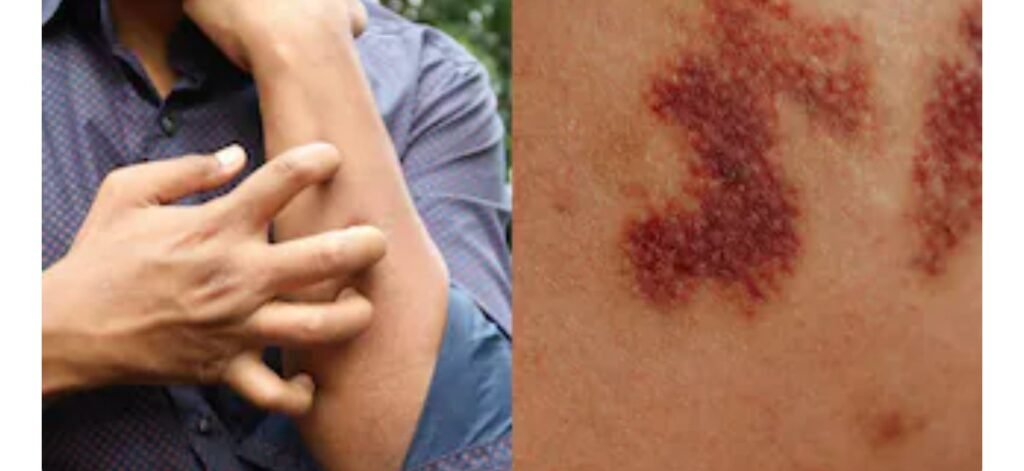
Many people dismiss recurring red rashes or small red spots on their skin, thinking they’re a common allergy or a seasonal effect. However, according to doctors, if these rashes persist for a long time and don’t resolve even after treatment, taking them lightly can be dangerous. In many cases, this could be an early sign of blood cancer, such as leukemia. Therefore, getting a CBC (complete blood count) test done in time is crucial.
According to a report by the UK Blood Cancer Institute, blood cancer begins in the bone marrow, the place where blood cells are formed. When changes occur in the DNA of blood-forming cells, abnormal white blood cells begin to multiply rapidly. These gradually replace healthy blood cells, affecting the body’s normal functioning.
According to experts, the symptoms of blood cancer can vary from person to person. However, red rashes, purple spots, or unexplained blue marks on the skin are key indicators. Sometimes, these appear as small red dots, called petechiae. Larger red or purple patches may also appear in some people. Significantly, these marks do not fade even after applying pressure.
Doctors say that blood cancer causes a decrease in the number of platelets in the body, which affects blood clotting. This is why red or purple marks suddenly appear on the skin. Furthermore, recurring fevers, extreme fatigue, shortness of breath, unexplained weight loss, excessive night sweats, and a lump in the body can also be serious signs.
According to experts, the symptoms of blood cancer can vary from person to person. However, red rashes, purple spots, or unintentional blue marks on the skin are key signs. Sometimes, these appear as small red dots, called petechiae. Larger red or purple patches may also appear in some people. Significantly, these marks don’t fade even after applying pressure.
Doctors say that blood cancer causes a decrease in the number of platelets in the body, which affects blood clotting. This is why red or purple marks suddenly appear on the skin. Furthermore, recurring fevers, extreme fatigue, shortness of breath, unexplained weight loss, excessive night sweats, and lumps in the body can also be serious signs.
Experts believe that many people ignore these symptoms for months, mistaking them for general weakness, allergies, or infections. However, early detection can help detect the disease early.
The report also states that not every red rash is a sign of blood cancer, but if you notice recurring skin rashes, persistent itching, or experience unusual changes in your body, you should immediately consult a doctor. Experts say that timely diagnosis and proper treatment can significantly improve the chances of curing blood cancer.