

Assembly elections are underway in four states and one union territory, with the results now out, and the selection of Chief Ministers in most states. This means the election and subsequent process is almost complete. With this, Prime Minister Narendra Modi’s spell, which he used to promise against increasing petrol and diesel prices and controlling inflation, has also ended. Although he hasn’t directly addressed price increases, he has only mentioned reducing petrol and diesel consumption and avoiding gold purchases. However, after making his statements in hints, Prime Minister Narendra Modi has taken drastic measures that leave the public breathless. We have seen this during the COVID-19 pandemic, which Prime Minister Narendra Modi had mentioned with the aim of awakening the spirit of patriotism among the people of the country. In such a situation, the question now arises whether the people of the country will have to be prepared to face another big inflation, or will Prime Minister Narendra Modi and his government be successful in saving the people from the impact of this inflation caused by the war between America, Israel and Iran. It is noteworthy that during the elections, to ensure that the mood of the people does not get spoiled due to the war in the Middle East and they do not refrain from voting in favor of BJP, Prime Minister Narendra Modi never talked about inflation during the entire election and even when asked, he kept talking about there being sufficient stock of petrol, diesel and gas in the country.
First, let us know what Prime Minister Narendra Modi said in his speech.
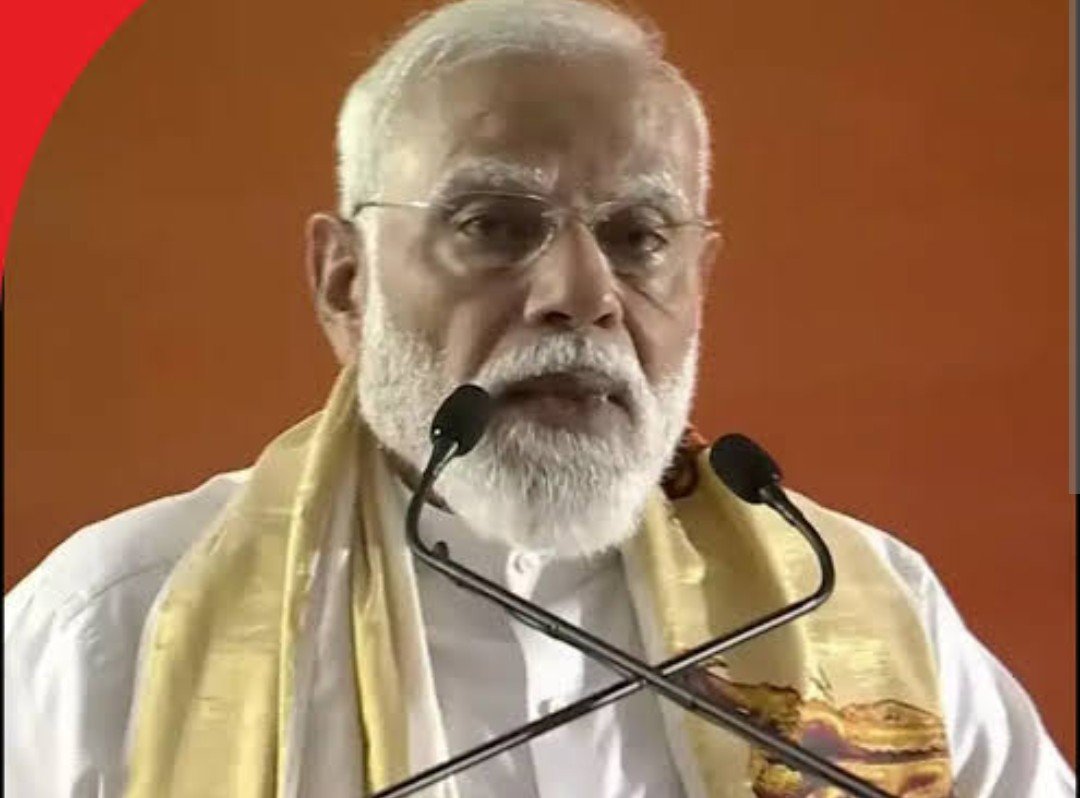
In May 2026, amid rising prices of petrol, diesel, and fertilizers due to the ongoing war in the Middle East and the global crisis, Prime Minister Narendra Modi made seven key appeals to the countrymen to save foreign exchange and become self-reliant. To address these challenges, PM Modi appealed to the countrymen:
Use fuel sparingly and wisely: Use petrol and diesel judiciously. Increase the use of metro, public transport, and carpooling instead of private vehicles.
Embrace work from home (WFH): Where possible, resume work from home and virtual meetings instead of traveling to the workplace to reduce fuel consumption. Defer foreign travel: Postpone unnecessary foreign travel and destination weddings abroad for the next year to save the country’s foreign exchange.
Don’t buy gold for a year: To reduce pressure on the country’s foreign exchange reserves, avoid unnecessary purchases of gold and gold jewellery during weddings or festivals. Promote Made in India: Give priority to local products by following ‘Vocal for Local’.
Reduce consumption of edible oil: In the interest of health and the country, reduce the use of edible oil in homes.
Adopt Natural Farming: Farmers are urged to reduce the use of chemical fertilizers by 50% and move towards natural farming or indigenous alternatives.
These statements by Prime Minister Narendra Modi are a deliberate attempt by him to shift his responsibility on the issue of inflation onto the public, so that he can later abdicate responsibility by blaming the public for this price rise, and then, during the upcoming elections, he can use false excuses to mislead the public and ensure electoral victory by swaying them to vote for the BJP.
Now let’s consider some questions that arise from what Prime Minister Narendra Modi has said.
Will Prime Minister Narendra Modi and his government ministers follow the example of the way he has urged people to travel by public transport or carry other people in their vehicles to reduce petrol and diesel prices?
The security reasons he and his government ministers may cite as reasons for not doing so are not actually a compulsion, but rather a form of disrespect. And even if it is, the way the Prime Minister and his ministers these days hold grand foundation stone laying or inauguration ceremonies for projects, bringing large numbers of people to the event, just to show off and win over the people. The vehicles transporting these people also consume petrol and diesel. Shouldn’t the Prime Minister and his ministers stop such events?
Prime Minister Narendra Modi reiterated his commitment to work from home, so shouldn’t this also apply to the Prime Minister and his ministers?
The Prime Minister has called for reducing the use of fertilizers in fields, which raises the question: will the decline in food production adversely affect the people of the country? If not, what plans does the Prime Minister have for this? If food production decreases, farmers’ incomes will also decrease. So, what plans does Prime Minister Narendra Modi have for the welfare of such farmers and to ensure uninterrupted food supply to the people?
He has also discouraged citizens from traveling abroad in his speeches. This raises the question: if foreign tourists, heeding his advice, stop coming to India, won’t this have an adverse impact on our country’s economy?
Regarding Prime Minister Narendra Modi’s request to the nation to refrain from buying gold for a year, gold has already risen in price to the point where it is beyond the reach of ordinary citizens, and people are only able to afford a limited amount of gold. In such a situation, won’t such a statement by Prime Minister Narendra Modi hurt gold traders?
Most importantly, the Prime Minister referred to the COVID-19 pandemic. This raises the question: will people once again face the same hardships they faced during the COVID-19 pandemic?