

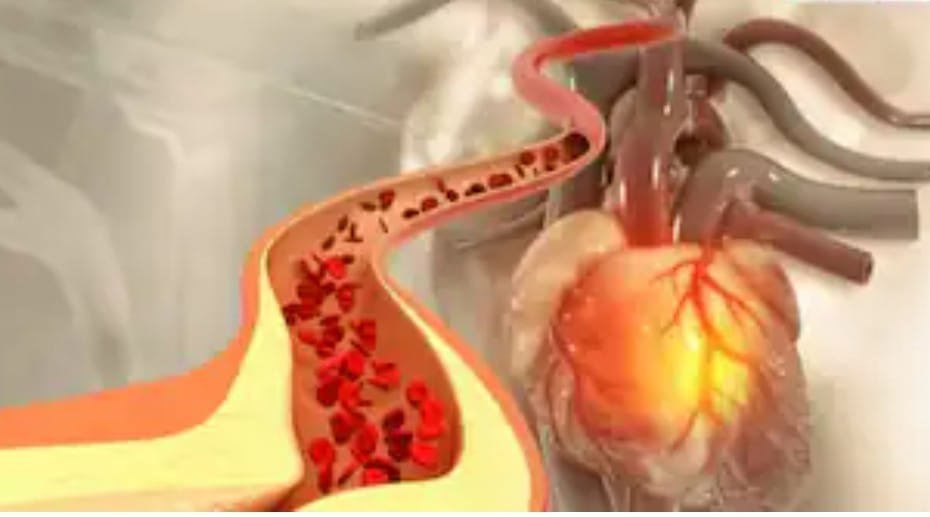
Heart diseases were once generally considered a problem of aging. It was once believed that the risk of artery blockage or heart attack increased only after the age of 50 or 60. However, this picture is gradually changing. According to doctors, many people are now showing signs of aging in their arteries as early as their 30s. Let us explain why this is happening.
Arteries carry blood from the heart to other organs in the body. Normally, they are flexible and soft, allowing blood to flow smoothly. However, when they gradually harden, blood flow is affected. This forces the heart to work harder to pump blood, which can further increase the risk of heart disease, stroke, and other cardiovascular problems.
According to Dr. Mukesh Goyal, cardiothoracic and vascular surgery expert at Indraprastha Apollo Hospital, cases of hardening of the arteries have been increasing at younger ages in recent years. He says that previously, such problems were typically seen in people in their 50s or 60s, but now, due to changing lifestyles, symptoms are appearing even in their 30s.
Experts believe that modern lifestyles are a major factor in this. Long hours of sitting, stressful work environments, irregular sleep patterns, and excessive consumption of processed foods can gradually impact blood vessels. Smoking, obesity, high blood pressure, diabetes, and poor eating habits also increase the risk of premature aging of the arteries. Sometimes, this problem doesn’t initially cause any major symptoms. However, there may be some signs that need attention, such as persistently high cholesterol, even slightly elevated blood pressure, fatigue, or shortness of breath with little exertion. If there’s a family history of heart disease, the risk may increase further.
For this reason, doctors now recommend heart health checkups at an early age. Early changes in the arteries can be detected through cholesterol testing, blood pressure monitoring, blood sugar testing, and other tests if needed. Fortunately, this process can be slowed down by making lifestyle changes at an early stage. Taking a daily walk or exercising, eating a diet rich in fruits, vegetables, and whole grains, reducing salt and processed foods, avoiding smoking, and getting adequate sleep are all considered beneficial for heart and artery health.