

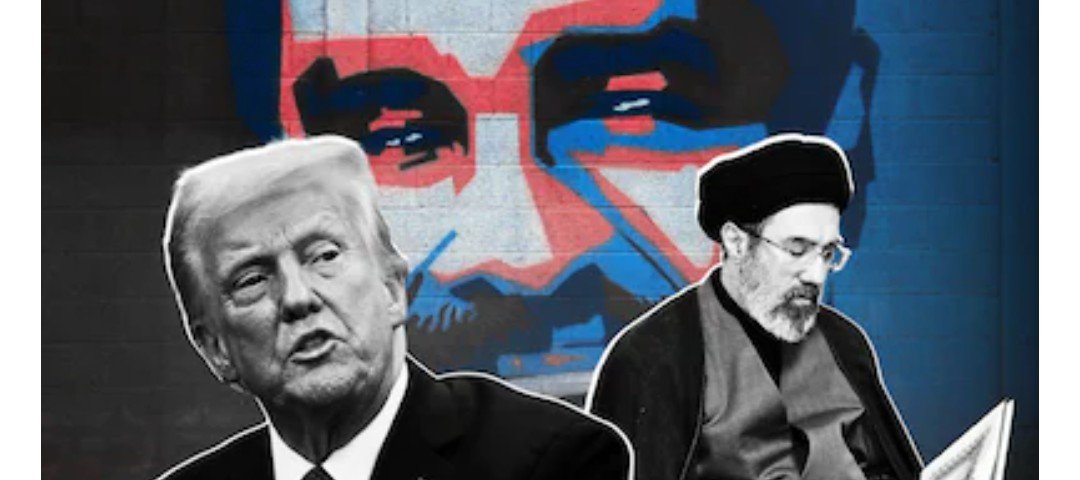
In New Delhi today, US Secretary of State Marco Rubio said that the US will either reach a strong agreement with Iran or adopt another approach. Any other approach was taken to mean that the US would attack Iran again. Rubio said, “We thought we might get some news last night or perhaps today, but we shouldn’t rely too much on it.” Speaking to reporters in Delhi, the Indian capital, Rubio said, “I think we have a concrete proposal, which includes Iran opening the Strait of Hormuz.”
Washington and Tehran have observed a ceasefire since April 8. On Sunday, Rubio said that good news on Iran would be forthcoming. Axios reported that the two countries could soon agree to a 60-day ceasefire. In this, in exchange for Iran opening the Strait of Hormuz, the US will lift the blockade on Hormuz and release Iran’s frozen assets. After that, within 60 days, the US will lift oil sanctions on Iran in exchange for Iran’s uranium enrichment, and then a permanent agreement will be reached. However, late Sunday night, Trump wrote on Truth Social that the US blockade will remain in full effect until an agreement is reached, certified, and signed. Diplomats should not rush into this. There will either be a good deal with Iran or there won’t be. He further stated that both sides should make timely and correct decisions.
Furthering this, Foreign Ministry spokesman Esmail Baghaei, addressing a press conference in Tehran today, stated that Iran and the US have reached conclusions on most of the topics under discussion, but cautioned that “this does not mean that an agreement will be signed soon.” He also emphasized that Iran and the US are not currently discussing the nuclear issue and that their focus is on ending the war. Baghaei reiterated, however, that there is no guarantee that the US will honor its commitments in any potential agreement and said that Tehran does not care about threats. Clearly, Iran agrees but is unable to trust the US. The US, too, is unsure about Iran. This is why the 60-day ceasefire is being delayed and statements are increasingly threatening.
Amidst this turmoil, key mediator Pakistani officials are in China on Monday. Pakistani television showed military chief Asim Munir and Prime Minister Shahbaz Sharif holding talks with Chinese leaders. He is in Beijing for a mediation. China has said it will work with Pakistan to make a positive contribution to the early restoration of peace and stability in the Middle East. Munir was also in Tehran last week with Home Minister Mohsin Naqvi as part of mediation efforts to end the war. Just yesterday, Shahbaz Sharif said his country would soon host a mediation.