

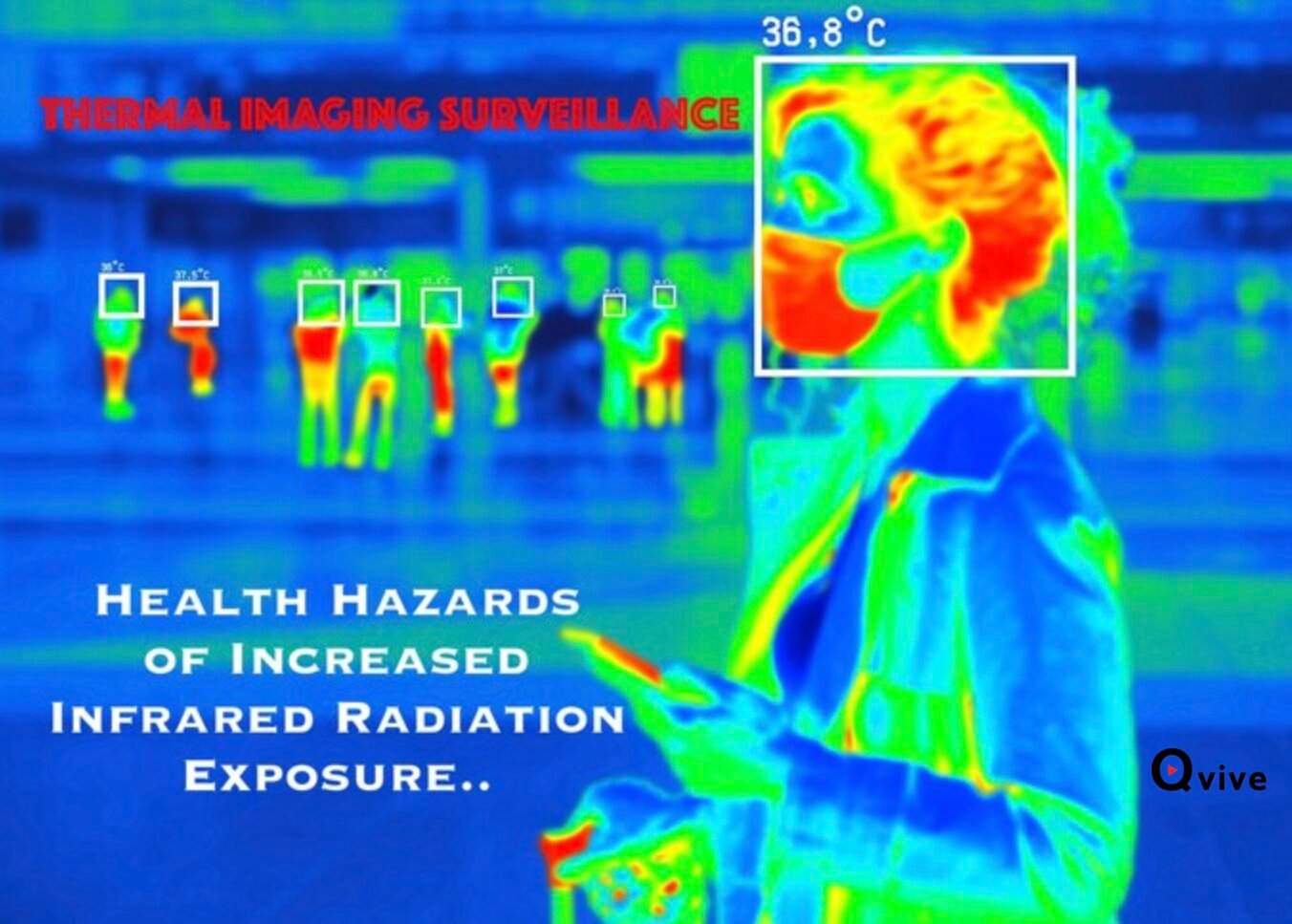
When government agencies are thinking about using surveillance systems, communities and their representatives should carefully consider the pros and cons related to civil liberties. It’s crucial to develop policies and procedures that can help lessen the negative impacts of surveillance on people’s rights and health.
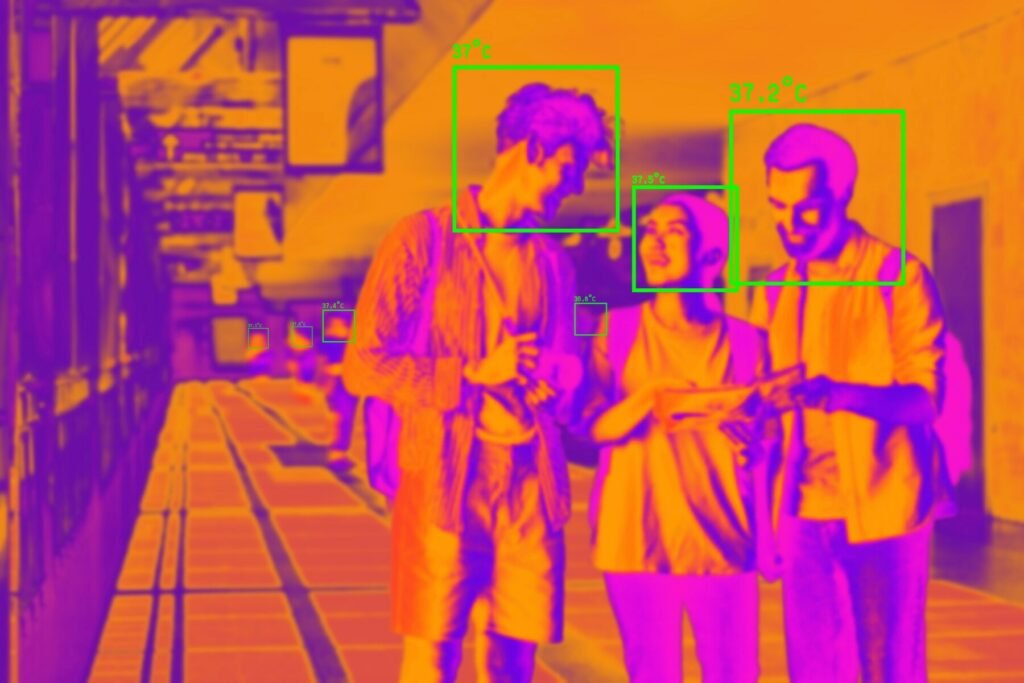
AKA: “Infrared,” “Forward-Looking Infrared,” “FLIR”
The government integrates thermal (or ”infrared”) imaging into surveillance cameras in order to monitor individuals in low-light conditions. In some cases, thermal devices collect information that can help determine what’s going on inside of buildings.
Infrared (IR) radiation is a type of electromagnetic radiation that falls between visible light and microwaves on the electromagnetic spectrum. It is divided into three main categories based on wavelength: near-infrared (NIR), mid-infrared (MIR), and far-infrared (FIR).
WHAT IS IT USED FOR?
Light conditions often thwart police surveillance systems. Both darkness and an over-abundance of ambient light can prevent cameras from capturing the detail investigators would prefer. Thermal image cameras (”infrared imaging”) pick up the heat emitted by an object, so they excel at tracking people and animals. Thermal sensors can also read heat signatures inside buildings, potentially revealing sensitive details about what happens behind the closed door of a home or office.
Thermal imaging has important government uses beyond police surveillance. For example, emergency services often use thermal imaging in search and rescue and in firefighting.
CIVIL LIBERTIES CONCERNS
Thermal imaging is a powerful tool for gathering information from private spaces. Like any device used for surveillance, government agents can use it inappropriately to gather information on people based on their political and religious views. Thermal imaging can also be used to engage in dragnet surveillance of the homes in the community at large.

Thermal image cameras (”infrared imaging”) pick up the heat emitted by an object allowing police to monitor individuals when conditions would prevent traditional cameras from gathering good images.
- All objects give off some infrared radiation. Generally speaking, the warmer an object, the more infrared radiation it emits. Thermal cameras “read” this radiation and represent it as an image.
- Police often outfit planes, helicopters, and drones with thermal cameras. Clouds, haze, and darkness often obscure the targets of traditional visual-spectrum cameras. Thermal imaging cuts directly through these barriers. Moreover, technicians use false-color software to represent particular temperatures with a particular color. In this way, police can monitor human beings (whose body temperatures are fairly consistent) from a distance.
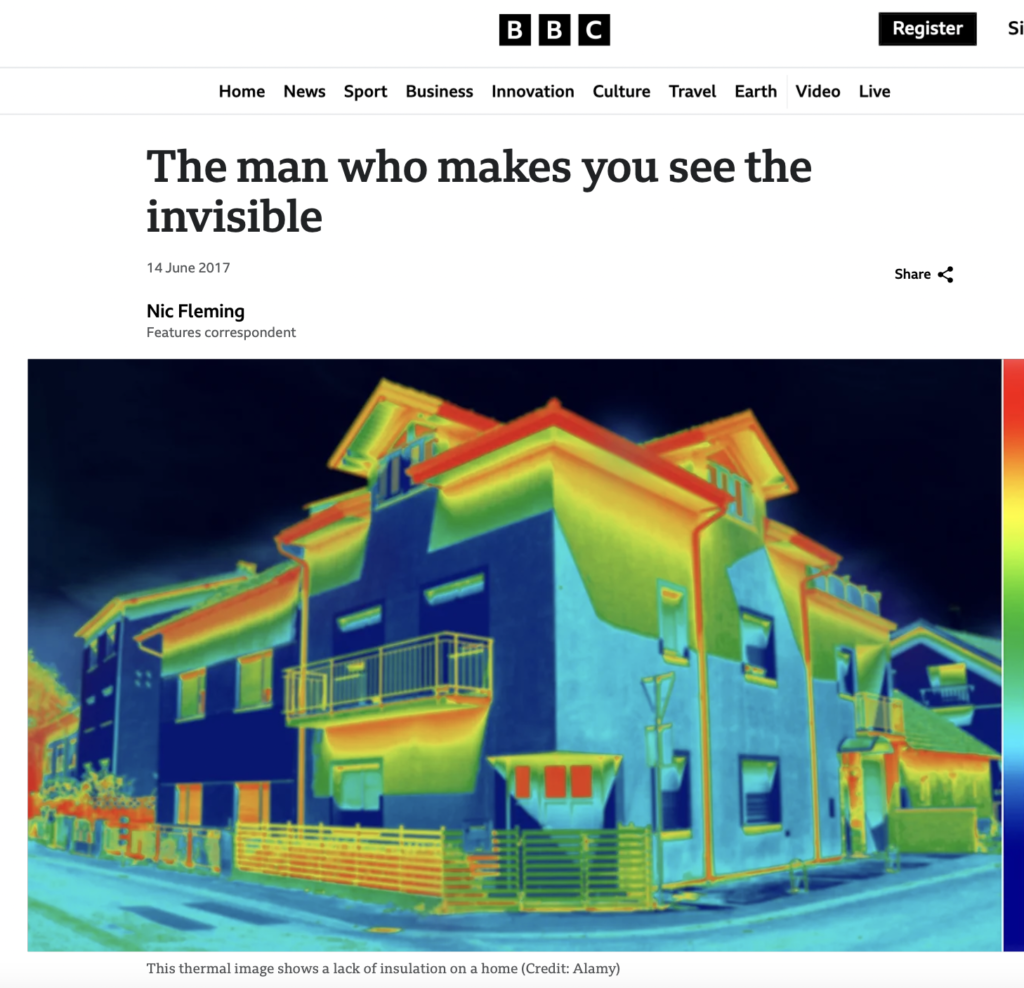
- Thermal imaging devices can’t “see” through walls. But pointing a thermal camera at a building still reveals sensitive information about what’s going on inside. Thermal cameras read the heat radiating off of an object.
- Modern thermal cameras produce detailed, high-quality images. In the past, thermal imaging produced images of vaguely human-shaped blobs of color. However, the technology has advanced greatly over the past 30 years. Modern thermal cameras produce images detailed enough for facial recognition software to use them. In the future, they will become more sensitive and yield much higher resolution images.
- Thermal imaging is not “night vision.” The night vision cameras made famous by Hollywood work much differently. Where thermal cameras pick up invisible radiation, night vision picks up and enhances the radiation in the visible spectrum.
Privacy Concerns Freeze Boston’s Winter Energy Efficiency Project
In the 2001 case, Kyllo v. United States, the U.S. Supreme Court ruled that federal agents violated the Fourth Amendment when they used a thermal imaging device to detect unusual heat patterns inside a suspect’s garage. But city officials in Massachusetts decided to put thermal imaging technology to a different use in 2011. During the cold Boston winter, they used aerial and street-level thermal cameras to capture images of heat loss in residents’ homes. For months, the camera network took 20,000 thermal images a day. City leaders intended to increase enrollment in the city’s energy efficiency programs and spur business for clean tech and efficiency companies. However, the program met with the ire of many residents and the ACLU. Privacy advocates pointed out that the cameras could reveal when residents are home and where they spend their time inside their house. The program was put on hold while program administrators belatedly developed a policy to protect homeowners’ privacy.
What is a Thermal Camera?
A thermal camera, short for a thermographic camera, is a contactless device that detects an object’s infrared energy (heat signature). You may also hear people use the term infrared camera, thermal imaging camera, or thermal imager. These devices create an image by converting infrared (IR) radiation into an image that is visible to the human eye. This process is called thermal imaging.
A wide variety of professionals use infrared cameras to capture, analyze, and display IR radiation data in a practice called thermography.
Hungarian physicist Kálmán Tihanyi invented the first infrared-sensitive electronic television camera, the technology of which was later used by Britain for anti-aircraft defense.
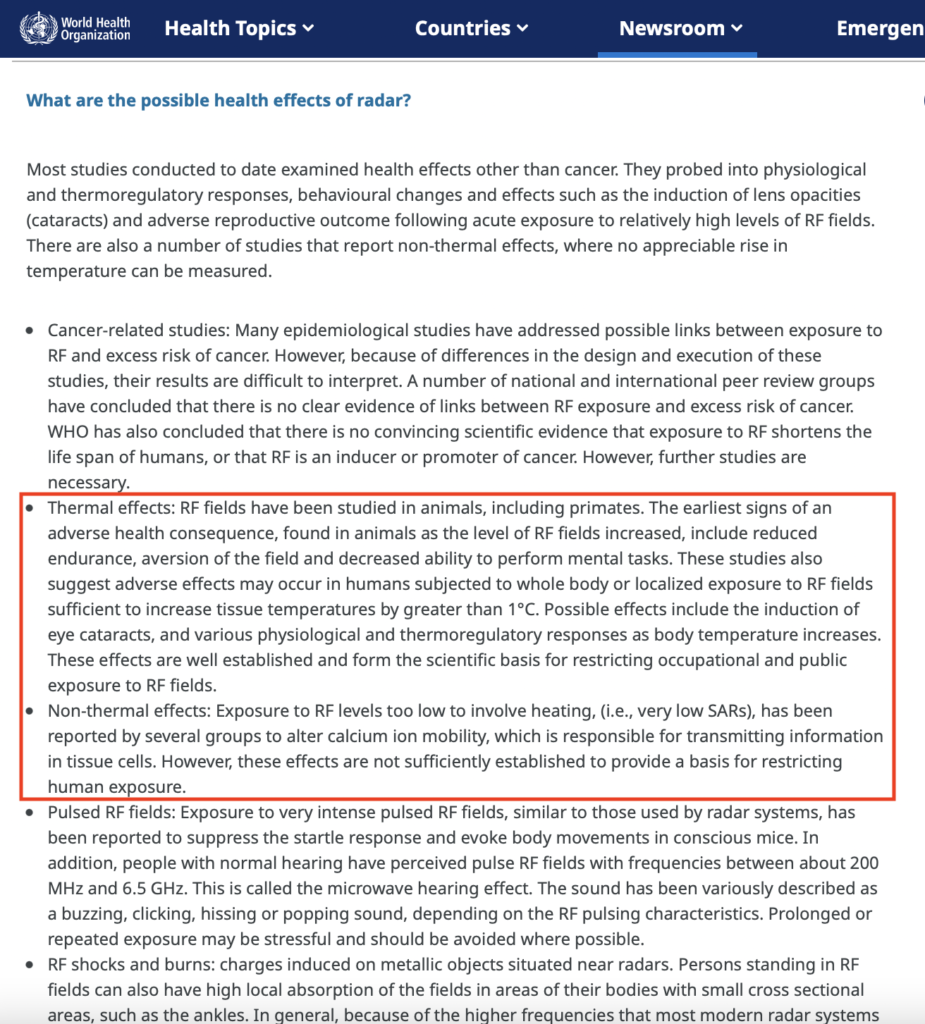
According to WHO: Health Effects on Radiation
Thermal effects: RF fields have been studied in animals, including primates. The earliest signs of an adverse health consequence, found in animals as the level of RF fields increased, include reduced endurance, aversion of the field and decreased ability to perform mental tasks. These studies also suggest adverse effects may occur in humans subjected to whole body or localized exposure to RF fields sufficient to increase tissue temperatures by greater than 1°C. Possible effects include the induction of eye cataracts, and various physiological and thermoregulatory responses as body temperature increases. These effects are well established and form the scientific basis for restricting occupational and public exposure to RF fields.
Non-thermal effects: Exposure to RF levels too low to involve heating, (i.e., very low SARs), has been reported by several groups to alter calcium ion mobility, which is responsible for transmitting information in tissue cells. However, these effects are not sufficiently established to provide a basis for restricting human exposure.
The Dangers of High Levels of Infrared Radiation: Eye Damage and Health Implications of Thermal Imaging Systems
As technology advances, thermal imaging systems have become increasingly valuable in a variety of fields, including security, firefighting, medical diagnosis, and wildlife observation. These systems harness infrared radiation to create images based on the heat emitted from objects, allowing for a unique perspective on temperature differentials. However, while thermal imaging technology has numerous benefits, exposure to high levels of infrared radiation can pose significant health risks, particularly concerning eye damage and other health problems.
Thermal imaging systems primarily utilize NIR and MIR to detect heat signatures. Still unkonwn this form of radiation is generally considered non-ionizing and less harmful than other types of radiation. But prolonged or high-level exposure can lead to adverse health effects.
Eye Damage Risks
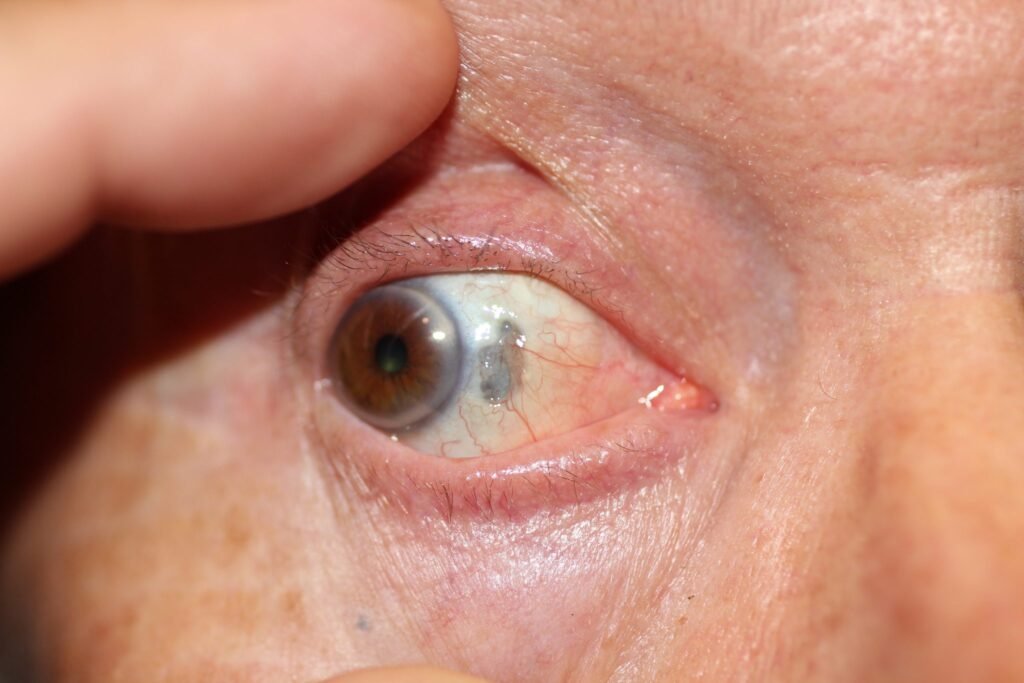
One of the most vulnerable areas of the human body when it comes to infrared radiation exposure is the eyes. The eyes are particularly susceptible to thermal injuries, primarily due to their unique structure and function. Here’s how IR exposure can affect eyesight:
- Corneal Damage: High-intensity infrared radiation can cause acute damage to the cornea, resulting in impaired vision or discomfort. Excessive exposure can lead to conditions such as corneal burns, which may require medical attention.
- Retinal Injury: Infrared radiation can penetrate the eye and be absorbed by the retina. Prolonged exposure may result in thermal damage to retinal cells, potentially leading to decreased visual acuity or, in severe cases, permanent vision loss.
- Cataracts: Studies have indicated a potential link between chronic infrared exposure and the development of cataracts, a condition characterized by clouding of the eye’s natural lens. This clouding can lead to blurred vision and increased sensitivity to glare.
Ref: https://www.eyesandfaces.com.au/what-radiation-melts-the-eye/
Other Health Concerns
In addition to eye damage, there are other health problems associated with excessive exposure to infrared radiation:
- Skin Burns: Just as the eyes can suffer from high levels of infrared radiation, the skin is also at risk. Prolonged or intense exposure can lead to thermal burns, resulting in pain and long-term skin damage.
- Heat Stress: Infrared radiation can contribute to increased body temperature and heat stress, especially in confined or poorly ventilated environments. This can lead to symptoms such as dizziness, fatigue, and heat exhaustion.
- Impact on Vision Health: Even low levels of infrared radiation can have cumulative effects over time, potentially leading to chronic conditions that may not manifest until later in life. Regular monitoring and protection can help mitigate these risks.
Another risk is that these systems may give people a false sense of security While they can detect whether someone has a fever, they cannot determine whether that person is infected with COVID-19 or any other illness . The FDA has stated that these systems should not be relied on to diagnose the disease.
In addition, the accuracy of these systems can be affected by a variety of factors, including environmental conditions and the way the system is used For example, if the system is not calibrated correctly, it may give inaccurate readings
Related Article:
How Do They Work?
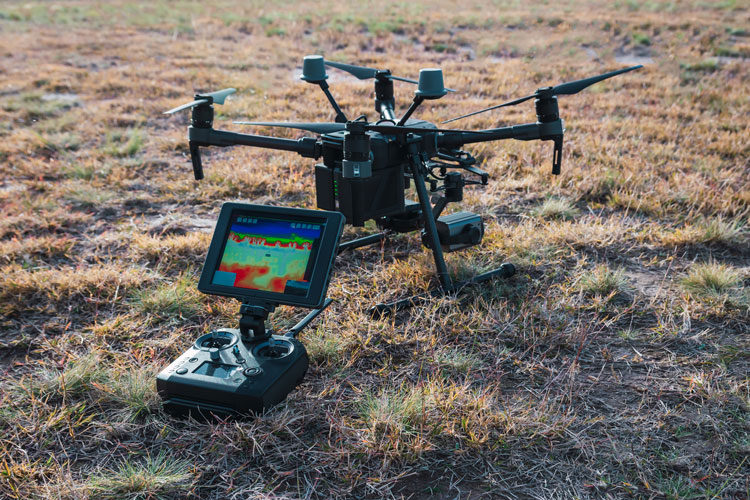
The primary source of infrared radiation is heat or thermal radiation. But just because an object is cold doesn’t mean it doesn’t emit infrared radiation; it just radiates less of it. However, humans are unable to see infrared light.
We use thermal cameras to capture infrared radiation data. This data detects differences in temperatures and then assigns colors to different degree ranges. Typically, high temperatures appear as warm colors (yellow or orange), and colder temperatures appear as cool colors (blue or purple).
Thermal cameras detect infrared radiation with microbolometers. A microbolometer is a type of bolometer, a device used by scientists, engineers, and physicists to measure the power of radiation. Bolometers work by using temperature-dependent electrical resistance.
When infrared radiation strikes the detector, the detector changes its electrical resistance. The camera then processes this resistance change to create an image people can see.
How are people exposed to RF radiation?
Human-made RF radiation sources include:
- Broadcasting radio and television signals
- Transmitting signals from cordless telephones, cell phones and cell phone towers, satellite phones, and 2-way radios
- Radar
- Wi-Fi, Bluetooth® devices, and smart meters
- Some medical procedures, such as radiofrequency ablation (using heat to destroy tumors)
- “Welding” pieces of polyvinyl chloride (PVC) using certain machines
- Millimeter wave scanners (a type of full body scanner used for security screening)
Some people can have significant RF exposure as part of their jobs. This includes people who maintain antenna towers that broadcast communication signals and people who use or maintain radar equipment. Other people who may have higher levels of RF exposure include some healthcare workers (particularly those working near MRI scanners) and people who work with devices that use RF radiation, such as plastic sealers, certain types of welding equipment, and induction heaters.
Most people are exposed to lower levels of RF radiation every day, from RF signals all around us. They come from radio and TV broadcasts, Wi-Fi and Bluetooth devices, cell phones (and cell phone towers), and other sources.
Full-body security scanners
In many airports in the United States, the Transportation Security Administration (TSA) uses full body scanners to screen passengers. The scanners currently used by the TSA employ millimeter wave imaging. These scanners send out a small amount of millimeter wave radiation (a type of RF radiation) toward the person in the scanner. The RF radiation passes through clothing and bounces off the person’s skin, as well as any objects under the clothes. Receivers sense the radiation and create an image of the outline of the person.
Millimeter wave scanners do not use x-rays (or any other kind of high-energy radiation), and the amount of RF radiation used is very low. According to the US Food and Drug Administration (FDA), these scanners have no known health effects. However, TSA often allows people to be screened in a different way if they object to screening with these scanners.
Cons of Digital Surveillance

Digital surveillance may have some benefits, but it also has several cons that cannot be ignored. Firstly, the use of digital surveillance is a clear violation of privacy, as it invades personal spaces without consent. This concern is amplified by the fact that digital data can be quickly stored and analyzed, meaning that people often have no idea who is collecting their data, how, and for what purpose.
Secondly, digital surveillance is inherently biased and often results in inequities and disparities in the justice system. The use of algorithms, facial recognition, and other forms of artificial intelligence can be inaccurate and discriminatory, leading to wrongful accusations and convictions. Finally, the implementation of digital surveillance is costly and time-consuming, requiring a significant investment in infrastructure, software, and personnel.
This expense will inevitably be passed on to taxpayers or customers, which is a considerable con when weighed against the potential benefits of digital surveillance. While there may be some useful applications of digital surveillance, it is necessary to weigh its pros and cons carefully before implementing it in any form.
Invasion of Privacy – Violation of personal privacy and loss of freedom
Digital surveillance can be argued as a violation of personal privacy and a loss of freedom. With the constant monitoring of our online activities, we can feel as if our every move is being watched. It can make us feel like we have lost control of our own lives, as we are never truly alone or able to act freely without being monitored.
Furthermore, it can make us vulnerable to attacks from third parties who might misuse our private information for their own gain. This issue can be compared to living in a world where there are cameras watching our every move, which can be unsettling and even manipulative. The cons of digital surveillance should be taken seriously as they can create a society with diminished personal freedom.
False Sense of Security – False security when surveillance equipment fails
One of the cons of digital surveillance is the false sense of security it can give. While surveillance equipment can provide valuable information and help prevent crime, there is always the potential for it to fail. Whether it’s due to a technical glitch, power outage, or intentional tampering, relying solely on surveillance can create a false sense of security.
Criminals can find ways to avoid or disable cameras, and without other security measures in place, they may be emboldened to commit crimes. It’s important to remember that surveillance is just one piece of the security puzzle, and it should be used in conjunction with other measures like access control systems and security personnel. By looking at the bigger picture and considering all aspects of security, we can better protect ourselves and our businesses.
Ethical Concerns – Questions of civil liberties and human rights
Digital surveillance may be a useful tool for law enforcement agencies, but it also raises concerns about civil liberties and human rights. One major con of digital surveillance is the potential for it to be abused and used to target specific groups or individuals based on their political or social views. This could lead to discrimination and the violation of their basic human rights.
Additionally, digital surveillance can be intrusive and can feel like a violation of privacy. People should have the right to maintain their privacy and not feel like they are constantly being watched. It is also important to consider the potential for data breaches and hacking, which could lead to sensitive information being exposed.
Overall, while digital surveillance may have its benefits, it is important to carefully consider the potential cons and ensure that it is being used in an ethical and responsible way that respects people’s basic civil liberties and human rights.
Additional Information:
The origins of thermal imaging
Whereas a normal camera is dependent on light to produce an image, a thermal imaging camera – sometimes also called an ‘infrared’ camera – is able to pick up minimal temperature differences and convert them into a crisp thermal image. In contrast to other technologies, thermal imaging can see in total darkness, needing no light at all.
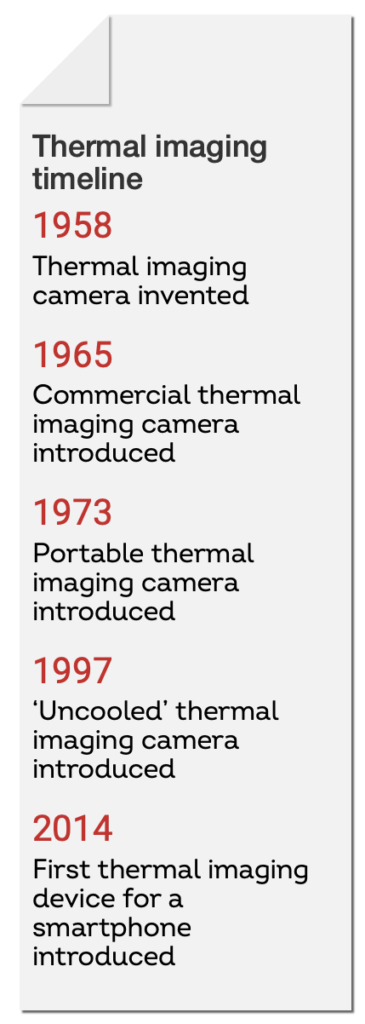
Swedish company AGA, today known as FLIR Systems, developed the first thermal imaging camera for the military in 1958. The first commercial infrared camera was developed in 1965 and was used for power line inspections. It took until 1973 for the first ‘portable’ battery operated infrared camera to be introduced. The technology at that point in time required the camera be filled with liquid nitrogen to cool down the infrared detector integrated in the system.
In 1997, the uncooled thermal detector, also called the ‘microbolometer’, arrived. This detector has no moving parts and is therefore less susceptible to breakdowns. It is also less expensive to produce, which allowed thermal imaging camera manufacturers to bring the price of their products down.
The microbolometer enabled the technology to make its way into commercial industrial applications. The first to discover the benefits of thermal imaging were big production companies, which quickly learnt thermal imaging could give valuable information about electrical equipment.
Fuses, connections, cables and high voltage equipment such as transformers and power lines can all easily be inspected with a thermal imaging camera. The advantage is thermal imaging can help maintenance managers see an anomaly before a real problem occurs, and, as a result, avoid costly breakdowns.
Within the same companies, R&D departments became enthusiastic about thermal imaging technology. The cameras can be used early in a product design cycle. In the development phase, before going into mass production, appliances are thoroughly tested. Thanks to infrared, companies can shorten the development phase and start getting a rapid return on their development investments.
Source: Revelation Today
Also Read: