

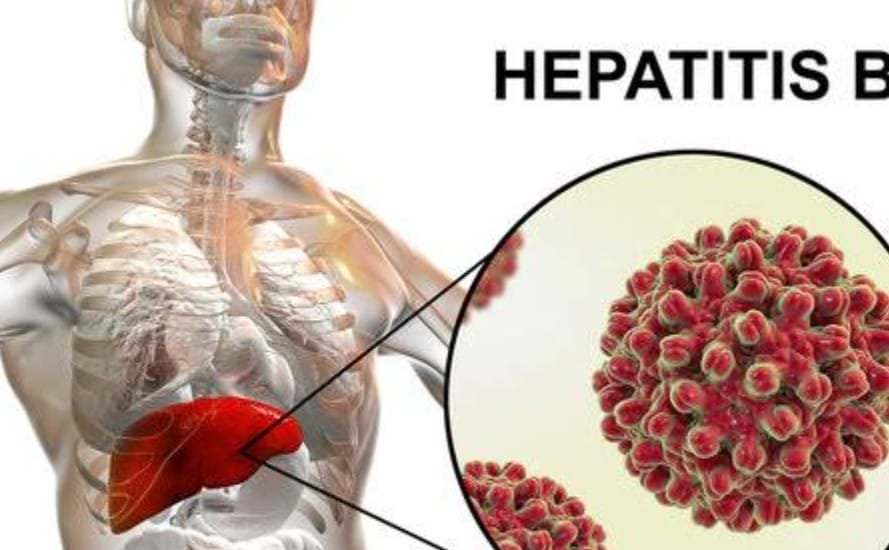
After nearly two decades, a major hope has emerged for the treatment of hepatitis B. A new experimental drug called Bepirovirsen has shown results in clinical trials conducted globally that could prevent some patients from needing to take medication for the rest of their lives. However, experts say that the biggest challenge for India right now is not the new drug, but reaching the millions of people who have the infection but are unaware of it.
On the occasion of World Hepatitis Day (July 28), liver experts said that an estimated 35 million people in India live with hepatitis B. Despite this, a large number of patients are never tested, and the number of people receiving treatment is less than 1 million.
Dr. S.K., Director of the Institute of Liver and Biliary Sciences, Sarin says the biggest challenge facing India is identifying infected people, screening them, and connecting them to timely treatment. According to him, currently available antiviral drugs are not very expensive and are available under the National Viral Hepatitis Control Program. Despite this, only a small proportion of patients in need have access to treatment.
A Phase 3 clinical trial published in The New England Journal of Medicine included 1,834 patients from 29 countries. Approximately 19 percent of patients who received bepirovirsen along with a standard antiviral drug experienced what experts call a “functional cure.” This means that the virus remained undetected in their bodies even six months after stopping treatment. This was not the case for patients receiving a placebo.
Dr. Sarin described this study as the biggest breakthrough in hepatitis B treatment in nearly 20 years. He says this could prove to be a defining step for future new medicines. He says that by 2030, several new drugs are likely to be available to treat this disease. However, the most important thing will be that these drugs are safe, approved by regulatory bodies, and accessible to ordinary patients.
Antiviral drugs currently in use do not completely eliminate the virus, but rather suppress its activity. This is why most patients have to take medication for a long time, sometimes for their entire lives. In contrast, bepirovirsen attempts to stop the virus’s activity at an early stage of its life cycle. This not only reduces the number of viruses but also reduces the production of viral proteins that weaken the body’s immune system. This is why experts consider it a unique and important step in the field of treatment.
According to Dr. Anil Arora, Chairman of the Institute of Liver, Gastroenterology and Pancreato-Biliary Sciences at Sir Ganga Ram Hospital, merely suppressing the virus and achieving a functional cure are two different things. He says that if a patient achieves a functional cure, the risk of serious complications such as liver cirrhosis and liver cancer in the future can be significantly reduced. Furthermore, the possibility of spreading the infection to others also decreases.
However, experts have also clarified that this drug is not currently suitable for all patients. According to Dr. Sarin, initial estimates suggest that it will be most beneficial for patients whose infection is already controlled by antiviral medications and whose virus levels are low.
Experts say that the new drug should not be considered a preventative measure. Dr. Sarin emphasized that universal vaccination of newborns remains the strongest strategy to eliminate hepatitis B. He advised that family members of infected patients, healthcare workers, dialysis patients, and other high-risk individuals should get themselves tested and ensure they are vaccinated against hepatitis B.
Experts estimate that after receiving all the necessary international approvals, it may take two to five years for this drug to reach India. Furthermore, its cost will also be a major issue. Therefore, the most important steps for India at present are considered to be testing as many people as possible, timely treatment, and promoting vaccination.