

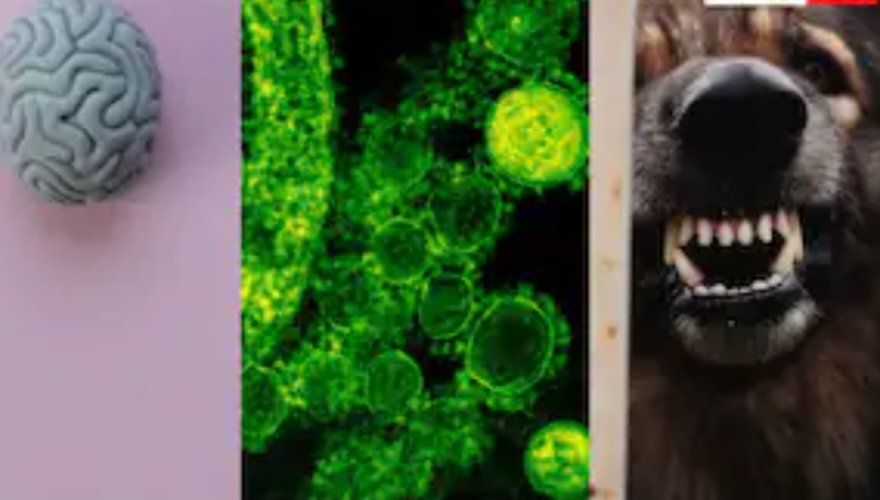
Rabies is a viral disease that kills thousands of people worldwide every year. It’s usually spread through the saliva of an infected animal through bites or scratches. The most dangerous thing about it is that treatment can prevent infection until symptoms appear. However, once rabies symptoms appear, the disease is almost always fatal. This is why finding an effective treatment remains a major challenge for scientists. Let’s explore why rabies is difficult to treat and what to do to prevent it.
After entering the body, the rabies virus travels through nerves to the brain and spinal cord. Once in the central nervous system, it causes severe damage. In this situation, it becomes extremely difficult to stop the virus and help the body recover. A layer protecting the brain is called the blood-brain barrier. It blocks many harmful substances from reaching the brain, but it also makes it difficult for some medications and immune-modulating substances to reach the brain. Scientists are still working on effective medications and treatments that can stop the virus after symptoms begin.
When the rabies virus reaches the brain, it causes severe inflammation and nervous system damage. Initially, symptoms include fever, headache, weakness, or pain and tingling at the site of the bite. As the disease progresses, patients develop restlessness, confusion, difficulty swallowing, a fear of water, or paralysis. In severe cases, breathing and heart function are also affected. This is why rabies is almost always fatal after symptoms begin. The time to death varies from patient to patient. Methods such as the Milwaukee Protocol have also been tried for rabies treatment.
The most effective way to prevent rabies is to seek appropriate treatment immediately after being bitten or scratched by a suspected animal. First, wash the wound thoroughly with soap and running water for at least 15 minutes. Then, immediately go to a hospital or health center. Depending on the wound and the extent of the exposure, doctors may recommend the rabies vaccine and, if necessary, rabies immunoglobulin. These measures aim to prevent the virus from reaching the brain. It is not advisable to delay treatment because the wound is small or the animal is a pet. Do not wait for symptoms to appear, as symptoms can often take weeks or months to appear after infection. Rabies can be prevented by timely treatment.