

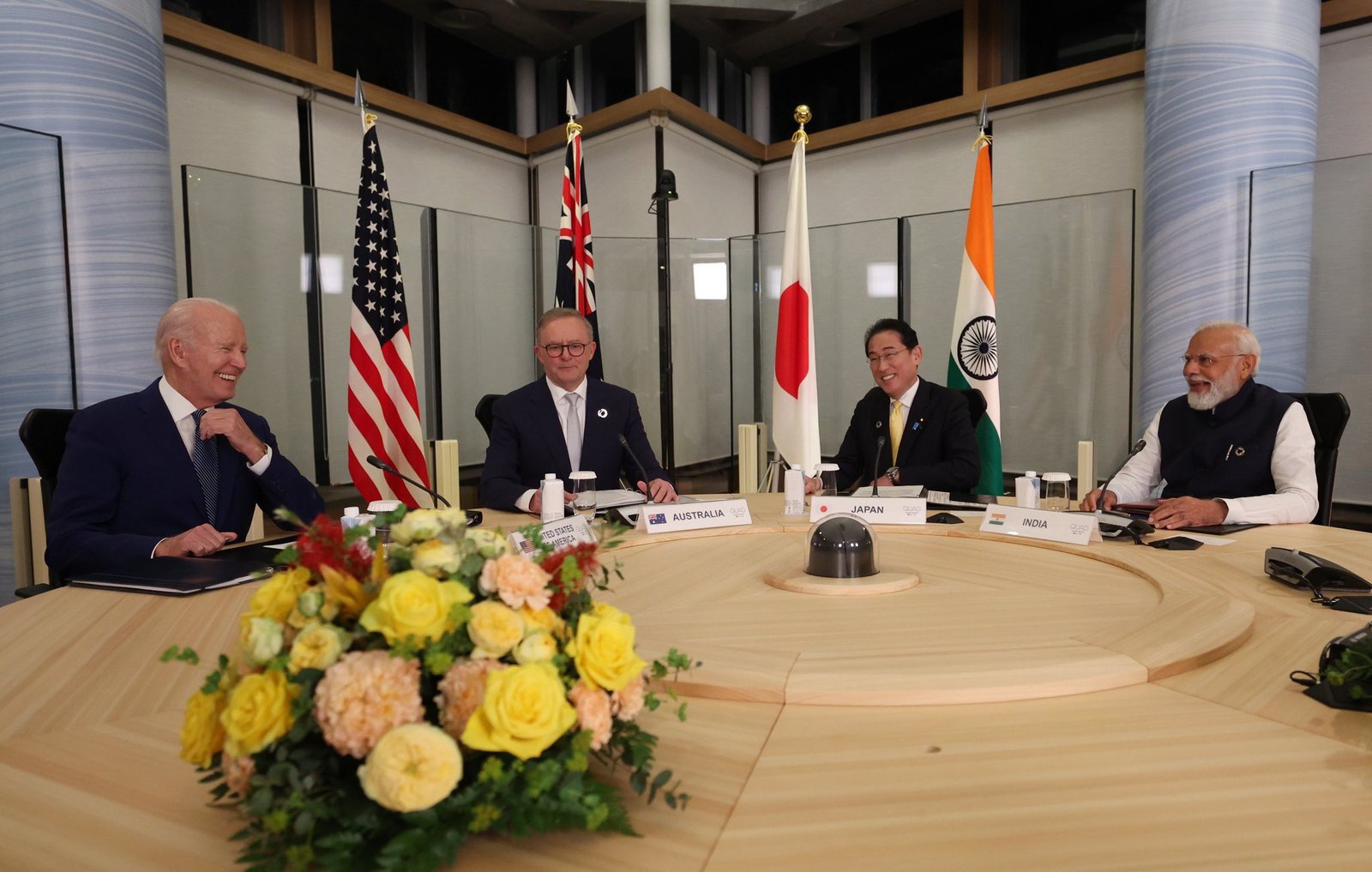
Hiroshima: The Quad leaders called for the resolution of the Ukraine conflict through dialogue and diplomacy while asserting that it must not be an era of war, a formulation that echoed Prime Minister Narendra Modi’s position.
PM Modi, US President Joe Biden, Japanese Prime Minister Fumio Kishida, and his Australian counterpart Anthony Albanese held talks on pressing global challenges including the Ukraine conflict at the annual Quad summit in Hiroshima.
After the summit, the leaders released a joint statement that touched upon the Ukraine conflict, the situation in the East and South China seas and their vision for the Indo-Pacific region.
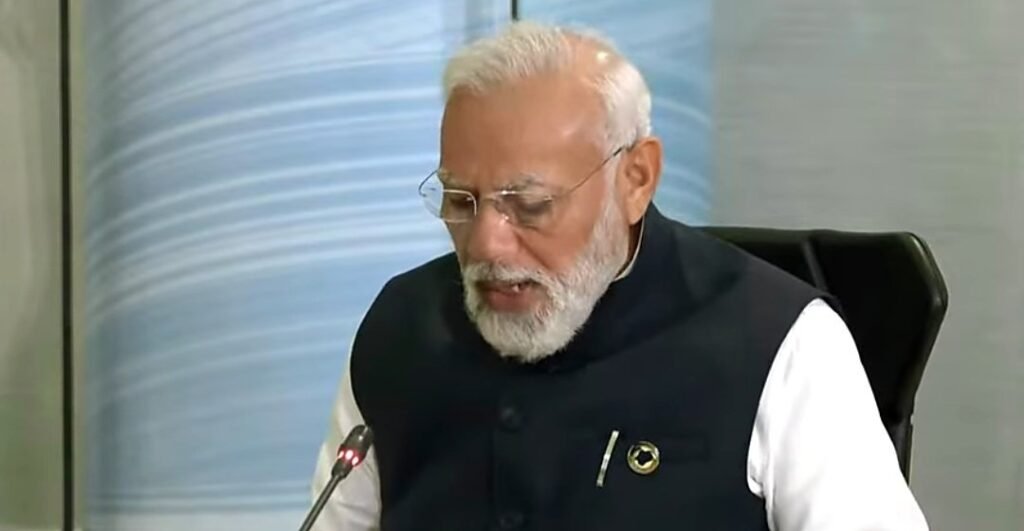
The leaders said they stand for adherence to international law, peaceful resolution of disputes and respect for principles of the UN Charter, including territorial integrity and sovereignty of all states.
“In this context, today we express our deep concern over the war raging in Ukraine and mourn its terrible and tragic humanitarian consequences,” the leaders said.
“We recognise its serious impacts on the global economic system including on food, fuel and energy security and critical supply chains. We will continue to render humanitarian assistance to Ukraine for its recovery,” they said.
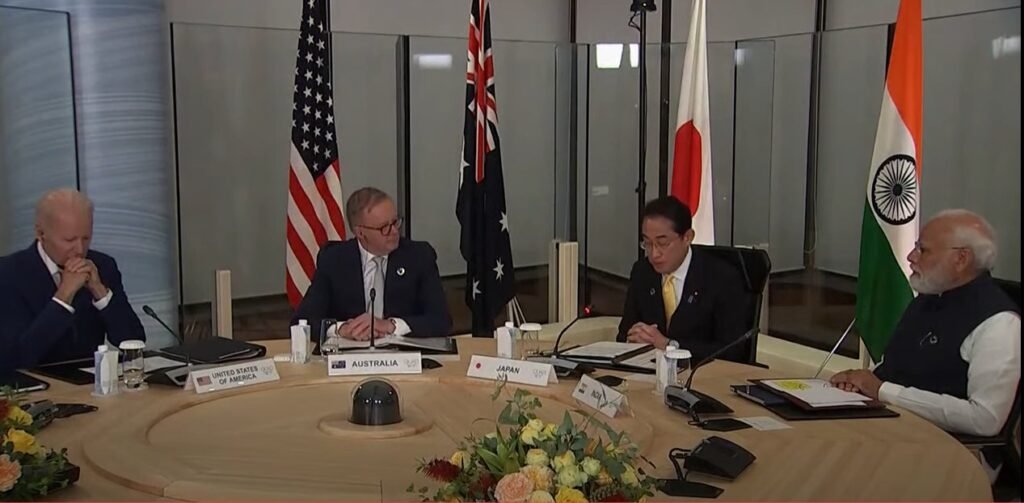
“Conscious that ours must not be an era of war, we remain committed to dialogue and diplomacy. We support a comprehensive, just and lasting peace consistent with the UN Charter,” the statement said.
The Quad leaders also reaffirmed their steadfast commitment to a free and open Indo-Pacific that is inclusive and resilient.
We seek a region where no country dominates and no country is dominated, they said.
The Quad leaders also expressed their commitment to strengthening cooperation in the Indian Ocean region.

We strongly oppose destabilising or unilateral actions that seek to change the status quo by force or coercion, they said, amidst the Chinese military’s aggressive actions in the region.
The leaders also emphasised the importance of adherence to international law, particularly as reflected in the UN Convention on Law of the Seas.
The leaders said they remain fully resolved to uphold peace and stability in the Indo-Pacific maritime domain.
They also unequivocally condemn terrorism and violent extremism in all its forms.
PTI