

In the eyes of many Indians, the World Health Organization has lost its credibility and trust.
COVID was largely a result of how the institution handled and responded to the outbreak. The push to force-vaccinate Indians with threats of unemployment, for example, alienated a substantial portion of the population.
A new announcement to come from the organization is raising eyebrows, according to the Gateway Pundit.
Popular Artificial Sweetener to Be Declared Possible Cancer Risk by Chinese-Backed World “Health” Organization – Will Impact Thousands of Products Including Diet Coke and Chewing Gum ( https://www.thegatewaypundit.com/2023/06/popular-artificial-sweetener-be-declared-possible-cancer-risk/ )
Artificial sweetener used in thousands of products reportedly to be labelled ‘possibly carcinogenic to humans’


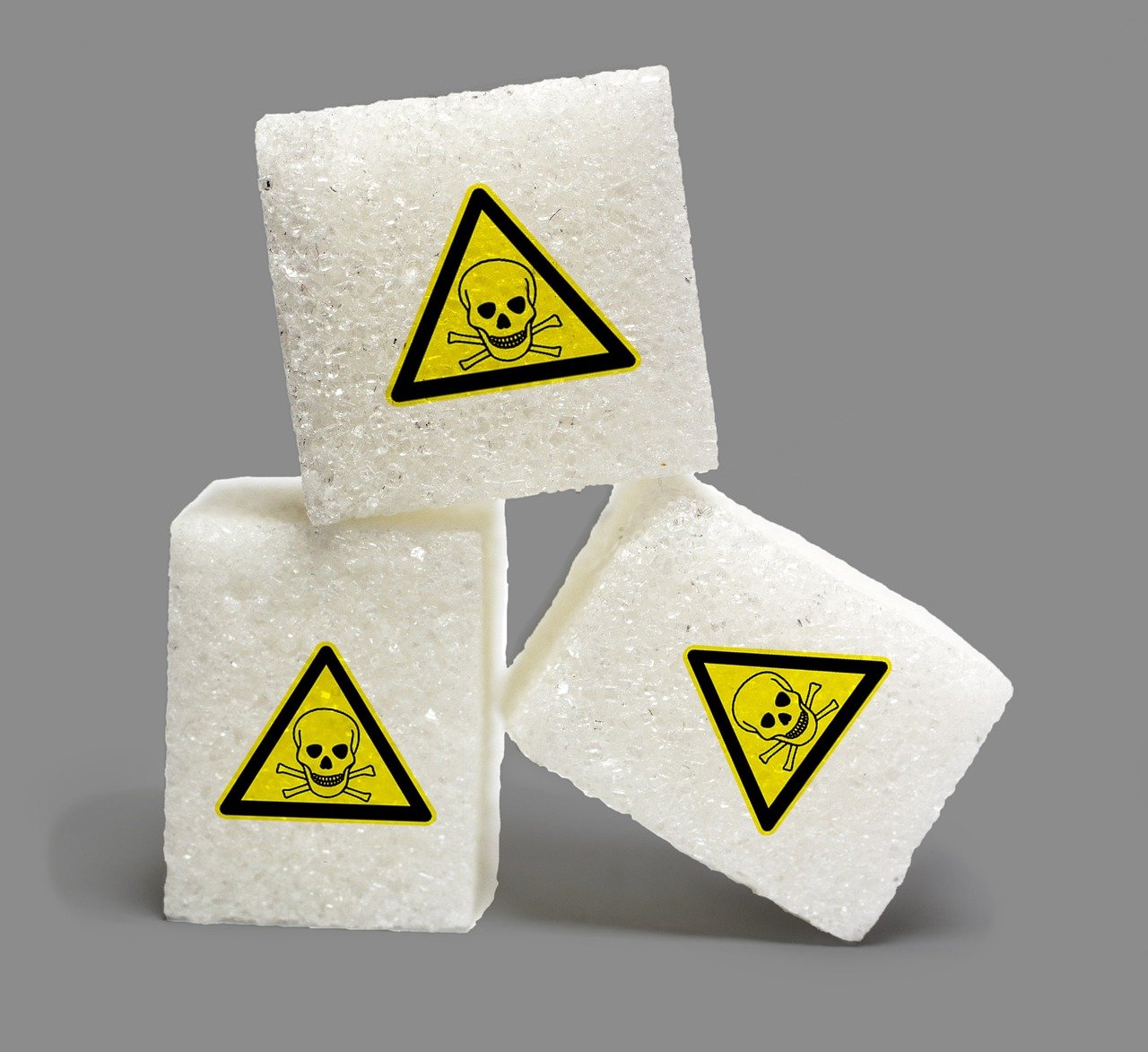
A popular artificial sweetener used in thousands of products worldwide including Diet Coke, ice-cream and chewing gum is to be declared a possible cancer risk to humans, according to reports.
The World Health Organization’s cancer research arm, the International Agency for Research on Cancer (IARC), has conducted a safety review of aspartame.
It is preparing to label the sweetener as “possibly carcinogenic to humans”, Reuters reported on Thursday. That would mean there is some evidence linking aspartame to cancer. The IARC has two more serious categories, “probably carcinogenic to humans” and “carcinogenic to humans”.
The move is likely to prove controversial. The IARC has faced criticism for causing alarm about hard-to-avoid substances or situations.
It previously put working overnight and consuming red meat into its probably cancer-causing class, and listed using mobile phones as possibly cancer-causing.
That advice comes from a separate WHO expert committee on food additives, the Joint FAO/WHO Expert Committee on Food Additives (Jecfa), which has also been reviewing aspartame use this year. It is due to announce its findings on the same day the IARC makes public its decision, on 14 July.
“IARC has assessed the potential carcinogenic effect of aspartame (hazard identification),” an IARC spokesperson confirmed to the Guardian. “Following this, the joint FAO/WHO expert committee on food additives will update its risk assessment exercise on aspartame, including the reviewing of the acceptable daily intake and dietary exposure assessment for aspartame. The result of both evaluations will be made available together, on 14 July 2023.”
Aspartame has been widely used since the 1980s as a table-top sweetener, and in products such as diet fizzy drinks, chewing gum, breakfast cereals and cough drops.
Key facts about aspartame
Dozens of studies have linked the popular artificial sweetener aspartame to serious health problems, including cancer, cardiovascular disease, Alzheimer’s disease, seizures, stroke and dementia, as well as negative effects such as intestinal dysbiosis, mood disorders, headaches and migraines.
Evidence also links aspartame to weight gain, increased appetite and obesity-related diseases. See our fact sheet: Aspartame is tied to weight gain. This evidence raises questions about the legality of marketing aspartame-containing products, such as Diet Coke, as “diet” drinks or weight-loss products. In April 2015, US Right to Know petitioned the Federal Trade Commission and the Food and Drug Administration to investigate the marketing and advertising practices of “diet” products containing aspartame. The agencies declined to take action (see FTC response – https://usrtk.org/wp-content/uploads/2015/10/FTC-response-diet-soda.pdf and
FDA response – https://usrtk.org/wp-content/uploads/2017/08/FDA-response-to-diet-soda-petition-9.22.15.pdf).
In May 2023, the World Health Organization advised people not to consume non-sugar sweeteners for weight loss, including aspartame. The recommendation is based on a systematic review of the most current scientific evidence, which suggests that consumption of non-sugar sweeteners is associated with increased risk of type 2 diabetes, cardiovascular diseases and all-cause mortality, as well as increased body weight.
The International Agency for Research on Cancer, the WHO’s cancer research arm, will list aspartame as “possibly carcinogenic to humans” in July 2023, Reuters reported.
The FDA has said aspartame is “safe for the general population under certain conditions.” The agency first approved aspartame for some uses in 1981. Many scientists, then and now, have said the approval was based on suspect data and should be reconsidered.
What is aspartame?
Aspartame is an artificial sweetener — also marketed as NutraSweet, Equal, Sugar Twin and AminoSweet — used in more than 6,000 products, including Diet Coke and Diet Pepsi, Kool Aid, Crystal Light, Tango and other artificially sweetened drinks; sugar-free Jell-O products; Trident, Dentyne and most other brands of sugar-free gum; sugar-free hard candies; low- or no-sugar sweet condiments such as ketchups and dressings; children’s medicines and vitamins
Aspartame (known as E 951 in the European Union) is a synthetic chemical composed of the amino acids phenylalanine and aspartic acid, with a methyl ester. When consumed, the methyl ester breaks down into methanol, which may be converted into formaldehyde. Its chemical structure can be seen below.

Decades of studies raise health concerns about aspartame
Since aspartame was first approved in 1974, FDA scientists and independent scientists have both raised concerns about possible health effects and shortcomings in the science submitted to the FDA by the manufacturer, G.D. Searle. (Monsanto bought Searle in 1984).
In 1987, UPI published a series of investigative articles by Gregory Gordon reporting on these concerns, including early studies linking aspartame to health problems, the poor quality of industry-funded research that led to its approval, and the revolving-door relationships between FDA officials and the food industry. Gordon’s series is an invaluable resource for anyone seeking to understand the history of aspartame/NutraSweet:
- Did Searle Ignore Early Warning Signs? (10/12/87)- http://www.upi.com/Archives/1987/10/12/UPI-investigative-report-NutraSweet-Questions-swirl/5886561009600/
- Seizure, Blindness Victims Point to NutraSweet (10/12/87)- http://www.upi.com/Archives/1987/10/12/Seizure-blindness-victims-point-to-NutraSweet/1106561009600/
- What the Critics Say about NutraSweet (10/12/87)- http://www.upi.com/Archives/1987/10/12/What-the-critics-say-about-NutraSweet/9852561009600/
- NutraSweet Approval Marred by Controversy (and part 2 -http://www.upi.com/Archives/1987/10/13/Schroeder-who-has-worked-for-another-company-since-1975/1231561096000/ ) (10/13/87)- http://www.upi.com/Archives/1987/10/13/UPI-investigative-report-NutraSweet-Questions-swirl/8679561096000/
- Maverick Scientist at Center of NutraSweet Controversy (10/13/87)- http://www.upi.com/Archives/1987/10/13/UPI-investigative-report-Maverick-scientist-at-center-of-NutraSweet-controversy/8481561096000/
- Sweet Corporate Victories (10/14/87) – http://www.upi.com/Archives/1987/10/14/In-October-1982-Sen-Howell-Heflin-D-Ala-proposed-an/8607561182400/
- These articles, follow ups and response from NutraSweet Company are posted here (PDF).
Aspartame studies point to serious health risks
While many studies, some of them industry sponsored, have reported no problems with aspartame, dozens of independent studies conducted over decades have linked aspartame to a long list of health problems, including:
Cancer
A large 2022 cohort study in PLOS Medicine involving 102,865 French adults found that artificial sweeteners — especially aspartame and acesulfame-K — were associated with increased cancer risk. Higher risks were observed for breast cancer and obesity-related cancers. “These findings provide important and novel insights for the ongoing re-evaluation of food additive sweeteners by the European Food Safety Authority and other health agencies globally,” the researchers wrote.
- “Study suggests association between consuming artificial sweeteners and increased cancer risk,” Science Daily (3.24.2022) – https://www.sciencedaily.com/releases/2022/03/220324143800.htm
Three lifespan studies conducted by the Cesare Maltoni Cancer Research Center of the Ramazzini Institute, provide consistent evidence of carcinogenicity in rodents exposed to the substance.
- Aspartame “is a multipotential carcinogenic agent, even at a daily dose of … much less than the current acceptable daily intake,” according to a 2006 lifespan rat study in Environmental Health Perspectives. – https://www.ncbi.nlm.nih.gov/pmc/articles/PMC1392232/
- A follow-up study in 2007 found significant dose-related increases in malignant tumors in some of the rats. “The results … confirm and reinforce the first experimental demonstration of [aspartame’s] multipotential carcinogenicity at a dose level close to the acceptable daily intake for humans … when life-span exposure begins during fetal life, its carcinogenic effects are increased,” the researchers wrote in Environmental Health Perspectives.
- The results of a 2010 lifespan study “confirm that [aspartame] is a carcinogenic agent in multiple sites in rodents, and that this effect is induced in two species, rats (males and females) and mice (males),” the researchers reported in American Journal of Industrial Medicine – http://www.mpwhi.com/soffritti_2010_20896_fta.pdf
In a 2021 review of the Ramazzini Institute data, researchers at Boston College validated the conclusions of the studies. See, “Aspartame and cancer — new evidence of causation,” Environmental Health. The findings, “confirm that aspartame is a chemical carcinogen in rodents. They confirm the very worrisome finding that prenatal exposure to aspartame increases cancer risk in rodent offspring.”
A 2023 study by the Ramazzini Institute in the Annals of Global Health reports on all the detailed haemolymphoreticular neoplasias (HLRN) diagnoses of the Ramazzini Institute rats and mice studies on aspartame and the related statistics. “Our analyses … confirm and reinforce our previous findings of statistically significant increases of HLRNs in rodents exposed to (aspartame) … The presence of different highly significant results and dose-related increased trends in multiple studies highlight the biological relevance of our findings.” – https://gettr.com/search?q=Aspartame+sugarfree
Harvard researchers in 2012 reported in the American Journal of Clinical Nutrition a positive association between aspartame intake and increased risk of non-Hodgkin lymphoma and multiple myeloma in men, and for leukemia in men and women. The findings “preserve the possibility of a detrimental effect … on select cancers” but “do not permit the ruling out of chance as an explanation,” the researchers wrote – https://www.ncbi.nlm.nih.gov/pubmed/24436139
In a 2014 commentary in American Journal of Industrial Medicine, the Maltoni Center researchers wrote that the studies submitted by G. D. Searle for market approval “do not provide adequate scientific support for [aspartame’s] safety. In contrast, recent results of life-span carcinogenicity bioassays on rats and mice published in peer-reviewed journals, and a prospective epidemiological study, provide consistent evidence of [aspartame’s] carcinogenic potential. On the basis of the evidence of the potential carcinogenic effects … a re-evaluation of the current position of international regulatory agencies must be considered an urgent matter of public health.”
Brain tumors
In 1996, researchers reported in the Journal of Neuropathology & Experimental Neurology on epidemiological evidence connecting the introduction of aspartame to an increase in an aggressive type of malignant brain tumors. “Compared to other environmental factors putatively linked to brain tumors, the artificial sweetener aspartame is a promising candidate to explain the recent increase in incidence and degree of malignancy of brain tumors … We conclude that there is need for reassessing the carcinogenic potential of aspartame.” – https://www.ncbi.nlm.nih.gov/pubmed/8939194
- Neuroscientist Dr. John Olney, lead author of the study, told 60 minutes in 1996: “there has been a striking increase in the incidence of malignant brain tumors (in the three to five years following the approval of aspartame) … there is enough basis to suspect aspartame that it needs to be reassessed. FDA needs to reassess it, and this time around, FDA should do it right.” – https://www.youtube.com/watch?v=yCoBuTr0Or0
Early studies on aspartame in the 1970s found evidence of brain tumors in laboratory animals, but those studies were not followed up.- https://tonic.vice.com/en_us/article/the-story-of-how-fake-sugar-got-approved-is-scary-as-hell?utm_source=tonictwitterus
Cardiovascular disease
A 2017 meta-analysis of research on artificial sweeteners, published in the Canadian Medical Association Journal, found no clear evidence of weight loss benefits for artificial sweeteners in randomized clinical trials, and reported that cohort studies associate artificial sweeteners with “increases in weight and waist circumference, and higher incidence of obesity, hypertension, metabolic syndrome, type 2 diabetes and cardiovascular events.” See also: – http://www.cmaj.ca/content/189/28/E929
- “Artificial sweeteners don’t help with weight loss and may lead to gained pounds,” by Catherine Caruso, STAT (7.17.2017) – https://www.statnews.com/2017/07/17/artificial-sweeteners-weight-loss/
- “Why one cardiologist has drunk his last diet soda,” by Harlan Krumholz, Wall Street Journal (9.14.2017) – https://blogs.wsj.com/experts/2017/09/14/why-one-cardiologist-has-drunk-his-last-diet-soda/
- “This cardiologist wants his family to cut back on diet soda. Should yours, too?” by David Becker, M.D., Philly Inquirer (9.12.2017) – https://www.philly.com/philly/health/this-cardiologist-wants-his-family-to-cut-back-on-diet-soda-should-yours-too-20170912.html
A 2016 paper in Physiology & Behavior reported, “there is a striking congruence between results from animal research and a number of large-scale, long-term observational studies in humans, in finding significantly increased weight gain, adiposity, incidence of obesity, cardiometabolic risk, and even total mortality among individuals with chronic, daily exposure to low-calorie sweeteners – and these results are troubling.” – https://www.ncbi.nlm.nih.gov/pubmed/27129676
Women who consumed more than two diet drinks per day “had a higher risk of [cardiovascular disease] events … [cardiovascular disease] mortality … and overall mortality,” according to a 2014 study from the Women’s Health Initiative published in the Journal of General Internal Medicine. – https://link.springer.com/article/10.1007%2Fs11606-014-3098-0
Stroke, dementia and Alzheimer’s disease
People drinking diet soda daily were almost three times as likely to develop stroke and dementia as those who consumed it weekly or less. This included a higher risk of ischemic stroke, where blood vessels in the brain become obstructed, and Alzheimer’s disease dementia, the most common form of dementia, reported a 2017 study in Stroke. – https://www.ahajournals.org/doi/10.1161/STROKEAHA.116.016027
- “Daily Consumption of Sodas, Fruit Juices and Artificially Sweetened Sodas Affect Brain,” video of neurologist Matthew Pase, Boston University School of Medicine (4.20.2017) – https://www.bumc.bu.edu/busm/2017/04/20/daily-consumption-of-sodas-fruit-juices-and-artificially-sweetened-sodas-affect-brain/
- “Study links diet soda to higher risk of stroke, dementia,” by Fred Barbash, Washington Post (4.21.2017) – https://www.washingtonpost.com/news/morning-mix/wp/2017/04/21/study-links-diet-soda-to-higher-risk-of-stroke-dementia/?utm_term=.2bfedb009058
In the body, the methyl ester in aspartame metabolizes into methanol ( http://www.ncbi.nlm.nih.gov/pubmed/3957170 ) and then it may be converted to formaldehyde, which has been linked to Alzheimer’s disease. A two-part study published in 2014 in the Journal of Alzheimer’s Disease linked chronic methanol exposure to memory loss and Alzheimer’s Disease symptoms in mice and monkeys.- https://www.ncbi.nlm.nih.gov/pubmed/24787915
- “[M]ethanol-fed mice presented with partial AD-like symptoms … These findings add to a growing body of evidence that links formaldehyde to [Alzheimer’s disease] pathology.” ( Part 1) – https://www.ncbi.nlm.nih.gov/pubmed/24787915
- “[M]ethanol feeding caused long-lasting and persistent pathological changes that were related to [Alzheimer’s disease] … these findings support a growing body of evidence that links methanol and its metabolite formaldehyde to [Alzheimer’s disease] pathology.” ( Part 2) – https://www.ncbi.nlm.nih.gov/pubmed/24787917
Seizures
“Aspartame appears to exacerbate the amount of EEG spike wave in children with absence seizures. Further studies are needed to establish if this effect occurs at lower doses and in other seizure types,” according to a 1992 study in Neurology.- https://www.ncbi.nlm.nih.gov/pubmed/1579221
Aspartame “has seizure-promoting activity in animal models that are widely used to identify compounds affecting … seizure incidence,” according to a 1987 study in Environmental Health Perspectives.
Very high aspartame doses “might also affect the likelihood of seizures in symptomless but susceptible people,” according to a 1985 study in The Lancet. The study describes three previously healthy adults who had grand mal seizures during periods when they were consuming high doses of aspartame.
Neurotoxicity, brain damage and mood disorders
Aspartame has been linked to behavioral and cognitive problems including learning problems, headache, seizure, migraines, irritable moods, anxiety, depression, and insomnia, wrote the researchers of a 2017 study in Nutritional Neuroscience. “Aspartame consumption needs to be approached with caution due to the possible effects on neurobehavioral health.” – https://www.ncbi.nlm.nih.gov/pubmed/28198207
“Oral aspartame significantly altered behavior, anti-oxidant status and morphology of the hippocampus in mice; also, it may probably trigger hippocampal adult neurogenesis,” reported a 2016 study in Neurobiology of Learning and Memory. – https://www.ncbi.nlm.nih.gov/pubmed/28049023
“Previously, it has been reported that consumption of aspartame could cause neurological and behavioural disturbances in sensitive individuals. Headaches, insomnia and seizures are also some of the neurological effects that have been encountered,” according to a 2008 study in the European Journal of Clinical Nutrition. “[W]e propose that excessive aspartame ingestion might be involved in the pathogenesis of certain mental disorders … and also in compromised learning and emotional functioning.” – https://www.ncbi.nlm.nih.gov/pubmed/17684524
“(N)eurological symptoms, including learning and memory processes, may be related to the high or toxic concentrations of the sweetener [aspartame] metabolites,” states a 2006 study in Pharmacological Research. – https://www.sciencedirect.com/science/article/abs/pii/S1043661805001404
Aspartame “could impair memory retention and damage hypothalamic neurons in adult mice,” according to a 2000 mice study published in Toxicology Letters.- https://www.sciencedirect.com/science/article/abs/pii/S0378427400001880
“(I)ndividuals with mood disorders are particularly sensitive to this artificial sweetener and its use in this population should be discouraged,” according to a 1993 study in the Journal of Biological Psychiatry. – http://www.biologicalpsychiatryjournal.com/article/0006-3223(93)90251-8/pdf
High doses of aspartame “can generate major neurochemical changes in rats,” reported a 1984 study in American Journal of Clinical Nutrition. – http://ajcn.nutrition.org/content/40/1/1.abstract
Experiments indicated brain damage in infant mice following oral intake of aspartate, and showing that “aspartate [is] toxic to the infant mouse at relatively low levels of oral intake,” reported a 1970 study in Nature.- https://www.nature.com/articles/227609b0
Headaches and migraines
“Aspartame, a popular dietetic sweetener, may provoke headache in some susceptible individuals. Herein, we describe three cases of young women with migraine who reported their headaches could be provoked by chewing sugarless gum containing aspartame,” according to a 1997 paper in Headache Journal.- http://onlinelibrary.wiley.com/doi/10.1046/j.1526-4610.1997.3710665.x/epdf
A crossover trial comparing aspartame and a placebo published in 1994 in Neurology, “provides evidence that, among individuals with self-reported headaches after ingestion of aspartame, a subset of this group report more headaches when tested under controlled conditions. It appears that some people are particularly susceptible to headaches caused by aspartame and may want to limit their consumption.” – http://www.ncbi.nlm.nih.gov/pubmed/7936222
A survey of 171 patients at the Montefiore Medical Center Headache Unit found that patients with migraine “reported aspartame as a precipitant three times more often than those having other types of headache … We conclude aspartame may be an important dietary trigger of headache in some people,” 1989 study in Headache Journal.– http://onlinelibrary.wiley.com/doi/10.1111/j.1526-4610.1989.hed2902090.x/abstract
A crossover trial comparing aspartame and a placebo on the frequency and intensity of migraines “indicated that the ingestion of aspartame by migraineurs caused a significant increase in headache frequency for some subjects,” reported a 1988 study in Headache Journal.
Weight gain, increased appetite and obesity related problems
Several studies link aspartame to weight gain, increased appetite, diabetes, metabolic derangement and obesity-related diseases. See our fact sheet: Diet Soda Chemical Tied to Weight Gain. – https://usrtk.org/sweeteners/aspartame-weight-gain/
This science linking aspartame to weight gain and obesity-related diseases raises questions about the legality of marketing aspartame-containing products as “diet” or weight loss aids. In 2015, USRTK petitioned the Federal Trade Commission ( https://usrtk.org/wp-content/uploads/2015/04/FTC-artificial-sweetener-letter.pdf )and FDA ( https://usrtk.org/wp-content/uploads/2015/04/FDA-artificial-sweetener-petition.pdf )to investigate the marketing and advertising practices of “diet” products that contain a chemical linked to weight gain. See related news coverage, response from FTC ( http://www.mcclatchydc.com/news/nation-world/national/economy/article24782827.html ), and response from FDA. – https://usrtk.org/wp-content/uploads/2017/08/FDA-response-to-diet-soda-petition-9.22.15.pdf
Diabetes and metabolic derangement
Aspartame breaks down in part into phenylalanine, which interferes with the action of an enzyme intestinal alkaline phosphatase (IAP) previously shown to prevent metabolic syndrome (a group of symptoms associated with type 2 diabetes and cardiovascular disease) according to a 2017 study in Applied Physiology, Nutrition and Metabolism. ( https://www.ncbi.nlm.nih.gov/pubmed/27997218 ) In this study, mice receiving aspartame in their drinking water gained more weight and developed other symptoms of metabolic syndrome than animals fed similar diets lacking aspartame. The study concludes, “IAP’s protective effects in regard to the metabolic syndrome may be inhibited by phenylalanine, a metabolite of aspartame, perhaps explaining the lack of expected weight loss and metabolic improvements associated with diet drinks.”
- “Aspartame may prevent, not promote, weight loss by blocking intestinal enzyme’s activity,” Massachusetts General Hospital press release (11.22.2016)– http://www.massgeneral.org/News/pressrelease.aspx?id=2016
People who regularly consume artificial sweeteners are at increased risk of “excessive weight gain, metabolic syndrome, type 2 diabetes, and cardiovascular disease,” according to a 2013 Purdue review over 40 years published in Trends in Endocrinology & Metabolism. – https://www.ncbi.nlm.nih.gov/pmc/articles/PMC3772345/
In a study that followed 66,118 women over 14 years, both sugar-sweetened beverages and artificially sweetened beverages were associated with risk of Type 2 diabetes. “Strong positive trends in T2D risk were also observed across quartiles of consumption for both types of beverage … No association was observed for 100% fruit juice consumption,” reported the 2013 study published in American Journal of Clinical Nutrition. – https://ajcn.nutrition.org/content/early/2013/01/30/ajcn.112.050997.full.pdf+html
Intestinal dysbiosis, metabolic derangement and obesity
A 2022 study in Frontiers in Nutrition ( https://www.frontiersin.org/articles/10.3389/fnut.2021.795848/full ) found that maternal consumption of aspartame and stevia influences the gut microbiota of offspring.”Consumption of low-dose aspartame and stevia showed limited influence on the overall structure of cecal microbiota in dams but significantly altered cecal microbiota of their 3-week old offspring.”
Artificial sweeteners can induce glucose intolerance by altering the gut microbiota, according to a 2014 study in Nature.( https://www.nature.com/nature/articles ) The researchers wrote, “our results link NAS [non-caloric artificial sweetener] consumption, dysbiosis and metabolic abnormalities, thereby calling for a reassessment of massive NAS usage … Our findings suggest that NAS may have directly contributed to enhancing the exact epidemic [obesity] that they themselves were intended to fight.”
- “Artificial Sweeteners May Change our Gut Bacteria in Dangerous Ways,” by Ellen Ruppel Shell, Scientific American (4.1.2015)– https://www.scientificamerican.com/article/artificial-sweeteners-may-change-our-gut-bacteria-in-dangerous-ways/
A 2016 study in Applied Physiology Nutrition and Metabolism ( https://www.ncbi.nlm.nih.gov/pubmed/27216413 ) reported, “Aspartame intake significantly influenced the association between body mass index (BMI) and glucose tolerance… consumption of aspartame is associated with greater obesity-related impairments in glucose tolerance.”
According to a 2014 rat study in PLOS ONE, ( http://journals.plos.org/plosone/article?id=10.1371/journal.pone.0109841 )“aspartame elevated fasting glucose levels and an insulin tolerance test showed aspartame to impair insulin-stimulated glucose disposal … Fecal analysis of gut bacterial composition showed aspartame to increase total bacteria…”
Pregnancy abnormalities: Pre-term birth
According to a 2010 cohort study of 59,334 Danish pregnant women published in the American Journal of Clinical Nutrition, “There was an association between intake of artificially sweetened carbonated and noncarbonated soft drinks and an increased risk of preterm delivery.” The study concluded, “Daily intake of artificially sweetened soft drinks may increase the risk of preterm delivery.”
- “Downing Diet Soda Tied to Premature Birth,” by Anne Harding, Reuters (7.23.2010) – http://www.reuters.com/article/us-diet-soda-idUSTRE66M4AF20100723
Overweight babies
Artificially sweetened beverage consumption during pregnancy is linked to higher body mass index for babies, according to a 2016 study in JAMA Pediatrics.( https://jamanetwork.com/journals/jamapediatrics/article-abstract/2521471 ) “To our knowledge, we provide the first human evidence that maternal consumption of artificial sweeteners during pregnancy may influence infant BMI,” the researchers wrote.
- “Diet Soda in Pregnancy is Linked to Overweight Babies,” by Nicholas Bakalar, New York Times (5.11.2016)– https://well.blogs.nytimes.com/2016/05/11/diet-soda-in-pregnancy-is-linked-to-overweight-babies/?_r=0
Early menarche
The National Heart, Lung, and Blood Institute Growth and Health Study followed 1988 girls for 10 years to examine prospective associations between consumption of caffeinated and noncaffeinated sugar- and artificially sweetened soft drinks and early menarche. “Consumption of caffeinated and artificially sweetened soft drinks was positively associated with risk of early menarche in a US cohort of African American and Caucasian girls,” concluded the study published in 2015 in Journal of American Clinical Nutrition.
Sperm damage
“A significant decrease in sperm function of aspartame treated animals was observed when compared with the control and MTX control,” according to a 2017 study in the International Journal of Impotence Research. “… These findings demonstrate that aspartame metabolites could be a contributing factor for development of oxidative stress in the epididymal sperm.” -https://www.nature.com/ijir/articles
Liver damage and glutathione depletion
A mouse study published in 2017 in Redox Biology reported, “Chronic administration of aspartame … caused liver injury as well as marked decreased hepatic levels of reduced glutathione, oxidized glutathione, γ-glutamylcysteine, and most metabolites of the trans-sulphuration pathway…” – https://www.nature.com/ijir/articles
A rat study published in 2017 in Nutrition Research found that, “Subchronic intake of soft drink or aspartame substantially induced hyperglycemia and hypertriacylglycerolemia… Several cytoarchitecture alterations were detected in the liver, including degeneration, infiltration, necrosis, and fibrosis, predominantly with aspartame. These data suggest that long-term intake of soft drink or aspartame-induced hepatic damage may be mediated by the induction of hyperglycemia, lipid accumulation, and oxidative stress with the involvement of adipocytokines.”
Parkinson’s disease
A July 2023 study in Nutritional Neuroscience assessed the current evidence regarding the associated physiological and cognitive effects of aspartame (APM) consumption and Parkinson’s Disease (PD). “Multiple studies demonstrated decreased brain dopamine, decreased brain norepinephrine, increased oxidative stress, increased lipid peroxidation, and decreased memory function in rodents after APM use.” – https://www.tandfonline.com/doi/full/10.1080/1028415X.2023.2228561
Anxiety
In a 2022 study published in the Proceedings of the National Academy of Sciences, Florida State University College of Medicine researchers linked aspartame to anxiety-like behavior in mice. The effects extended up to two generations from the males exposed to the sweetener.- https://www.pnas.org/doi/10.1073/pnas.2213120119
- “FSU research links common sweetener with anxiety,” by Robert Thomas, Florida State University News (12.8.22) – https://news.fsu.edu/news/university-news/2022/12/08/fsu-research-links-common-sweetener-with-anxiety/
Kidney function decline
Consumption of more than two servings a day of artificially sweetened soda “is associated with a 2-fold increased odds for kidney function decline in women,” according to a 2011 study in the Clinical Journal of American Society of Nephrology.-https://www.ncbi.nlm.nih.gov/pubmed/20884773
Continue Reading:
( https://usrtk.org/sweeteners/aspartame_health_risks/ )
Source: Davidicke, USRTK, Rumble, Amazon, Wikipedia
Additional Information:
COVID-19 vaccine development:
In July 2020, the company got permission to conduct human trials of the developmental COVID-19 vaccine named ZyCoV-D, from the Drugs Controller General of India (DCGI), Government of India. On 20 August 2021, DCGI granted emergency use approval of ZyCoV-D.