


West Bengal Halts Smart Meter Deployment for Residential Users Following Backlash on Excessive Bills
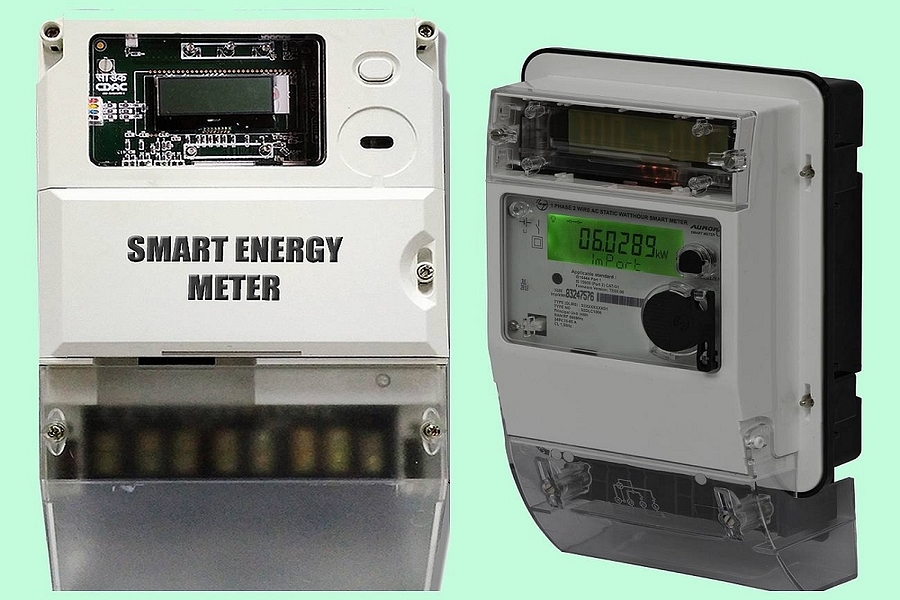
June 11, 2025 –Responding to widespread consumer protests over allegedly inflated electricity bills, the West Bengal government announced today it will immediately halt the roll-out of smart meters for residential consumers throughout the state. Power Minister Aroop Biswas conveyed this decision during a discussion in the state legislature. This announcement comes after extended public demonstrations and complaints due to exploding bills associated with the newly implemented prepaid smart meters.
Minister Biswas stated specifically that smart meters will no longer be rolled out in West Bengal for household users. He also noted that about 5,000 to 6,000 smart meters already installed in residential houses will be switched back to conventional (traditional) meters, acknowledging a high level of dissatisfaction on behalf of consumers.
The action is in direct response to a growing level of public outrage. Residents have loudly protested their sharp electricity increases after their utility switched to prepaid smart meters. These complaints have spawned additional protests across the state, leading the government to rethink how it will deploy the smart meters in the residential sector.
Importantly, the suspension is only applicable to residential connections. Commercial and government/refugee installations of the smart meters will continue, indicating a two-track rollout of the technology based on consumer type.
The announcement is occurring amid ongoing, high-profile tensions between the West Bengal state government and the central government. The aforementioned bureaucratic impasse surrounding various national schemes has long characterized the state’s politics. It is possible that wider nationalism considerations are implicated in how policies around energy management and consumer welfare are made.
The West Bengal government’s announcement to suspend smart meter installations for residential customers marks both a notable moderation of its energy policy and a direct response to vocal resistance from key consumers. The West Bengal government can heed immediate consumer concerns by reverting back to the conventional metering approach for households, while maintaining the full range of its smart meter initiatives with non-residential (commercial and government) consumers. This approach not only conveys an important signal concerning energy policy changes but also reiterates how crucial consumer perceptions are to the rollout of any new technological change in public utilities.
This advancement provides important insights into the current interaction between technology, public perception, and the regulation of technology in the energy sector in India, particularly with the level of politicization that exists. In this context, it could be considered a useful case study for other jurisdictions dealing with similar issues surrounding smart metering technology and consumer satisfaction.
Karnataka Energy Minister said, if there is any scam, the smart meter project will be stopped
After initial deployments of smart electricity meters for temporary and new connections, the Karnataka government is now advancing its efforts for smart electricity meter installation for all consumers. Energy Minister K. J. George has publicly pledged to seek Cabinet approval for a comprehensive proposal to replace all existing electricity meters across the state, consistent with the central government’s Revamped Distribution Sector Scheme (RDSS) requiring smart meter installations for any electric installations.
In the current situation, Karnataka is one of two states in India which has not yet partaken in RDSS scheme for the smart meter program.
The Karnataka government is also indicating a formal proposal utilizing benefits under RDSS provision will be being presented to the cabinet soon. The proposal has been pending since 2021, mainly because of the costs and impacts on consumers and state revenue.
Financially speaking, the RDSS scheme supports smart meter implementation with a 15% subsidy from the Central Government. And a 60% subsidy to improve transmission infrastructures, expected to significantly reduce the cost of smart meters to being less than 1,000 ₹ from approximately 5,000 ₹ per unit.
The present public outcry is for the discontinuation of Smart meters in Karnataka too.
₹7,500 crore Smart Meter Scam: Karnataka Scandal’s Disturbing Similarities to Andhra Pradesh
The smart meter scam that initially rocked Andhra Pradesh has now surfaced in Karnataka, raising serious questions about corruption in the electricity sector. Allegations of inflated prices and questionable contracts echo the previous scandal in AP, where smart meters were procured at exorbitant rates.
The public expressed concern and sought assistance from the Awaken India Movement (AIM), which provided a letter of Objection regarding the compulsory Smart Meter addressed to the Executive Engineer.
In particular, the letter highlights legal compliance, consumer rights, and the importance of transparency when it comes to the installation of smart meters, in that it requires the express consent of the consumer. In addition to a willingness to participate, AIM further highlights the organization’s commitment to peaceful legal activism, protecting those rights. It is quoted that AIM will expect a response within 15 working days, to establish the official position on the matter.
The letter is addressed to the Executive Engineer, delivered on behalf of the Awaken India Movement (AIM), an organization dedicated to protecting individual rights and public awareness. In the communication, AIM indicates it’s a serious concern regarding what they perceived as intent to coerce, stranger danger tactics, and the attempt to impose the installation of smart meters on residents who already had operational meters and without their agreement.
Mandatory Installation Rejection
- AIM states that the installation of smart meters is not imposed as compulsory for both new and existing connections.
- Recent legal frameworks, particularly from the West Bengal government, allow residential users to refuse the installation of smart meters in their homes.
- Rule 47 could apply to consumer choice because the Electricity (Rights of Consumers) Rules, 2020, empowers consumers through the Rule 47(5) option to choose from prepaid and post-paid options and, therefore, select a metering system.
Legal Context
- The report references a few links to legal options:
- Electricity Act, 2003: Sections 55 & 166, the consumer rights sections
- Consumer Rights Rules, 2020: Rule 47(5) consumer meter options
- Central Electricity Authority (CEA) Regulations, 2019: Currently in litigation
- These rules affirm the consumer’s right to be able to decline a smart meter in favor of prior metering options (analog, digital).
Community Issues
- The letter notes community feedback and issues regarding smart meters, including critically important issues such as:
- Confusing and often inflated billing
- Remote disconnections without remedy, raising fairness and accountability
- Privacy and health concerns, which involve ongoing data transmission and exposure to electromagnetic field (EMF)
- Lack of transparency regarding the handling of data and safety standards
- Safety issues are documented and recorded that smart meters have failed, leading to fires and panic from their customers.
Requests and Demands
The AIM is submitting a series of formal requests to the responsible division:
1. End Forced Installations: An immediate cessation of any compulsion towards the installation of smart meters in relation to new or existing consumers.
2. Voluntary Declaration: Any public statements should make it clear that the installation of a smart meter is voluntary.
3. Consent in Writing: There should be confirmation that any replacement of a meter would have consent from the consumer in writing.
4. Clear Opt-Out Process: This would include an open process for individuals and communities to opt out.
5. Consumer Facilitation for Complaints: Residents should also be facilitated to make complaints to the Electricity Regulatory Commission if their rights are infringed.
AIM provides contact details for follow-up regarding this matter to ensure transparency and accountability in the ongoing dialogue about smart meter installations.
Download the Objection to Compulsory Smart Meter Installation Letter : https://awakenindiamovement.com/objection-to-compulsory-installation-of-smart-meters/ (Copy N Paste the link)
Also Read: