

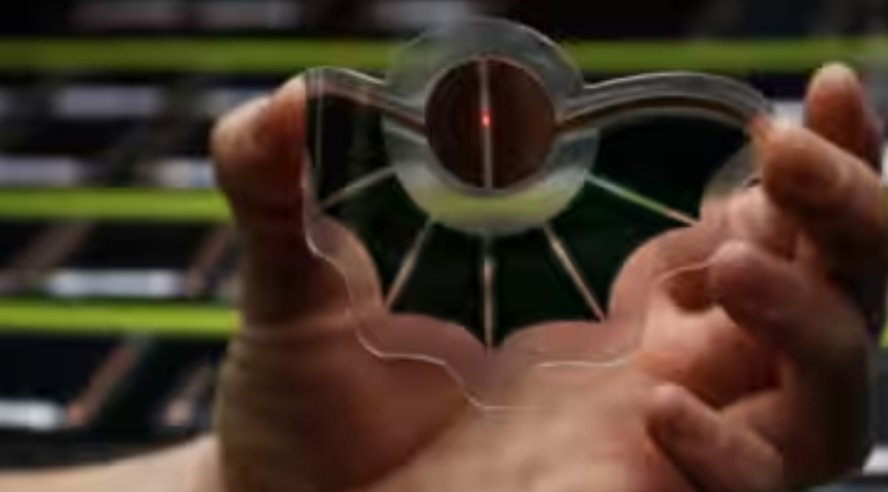
The very mention of solar panels conjures up images of rooftop solar panels. But have you ever heard of solar panels that can be installed indoors? Their unique feature is that they can generate electricity without exposure to sunlight? A French company called Dracula Technologies has developed this unique technology. Founded in 2012, this company has developed an extremely thin and flexible organic photovoltaic technology.
This technology can generate electricity for small electronic devices using indoor light. Experts claim that this technology could eliminate the need for disposable batteries in the future.
While conventional solar panels require intense sunlight to generate electricity, Dracula Technologies has developed solar panels that do not require sunlight. This is why they are named Dracula.
This technology can generate electricity from the light coming into your home or the light emitted by household lights. This technology can provide continuous power supply to small devices that currently run on batteries.
The manufacturing process of this Dracula technology is also unique. The company creates it through digital printing using nano-layers of carbon-based organic polymers.
No rare metals or heavy or toxic elements are used in its production. This means that this technology is completely environmentally friendly. This is also evident from the fact that it meets stringent safety standards like RoHS and REACH.
Furthermore, due to its digital printing, these modules can be designed to fit any shape or curved surface.
This technology can replace many of the devices around us that currently operate on disposable batteries. These batteries contribute to e-waste after they wear out, and the toxic elements present in them are also harmful to the environment. Dracula technology aims to completely eliminate batteries from such small devices or Internet of Things systems.
With this technology, small devices will be able to be used without frequent battery replacement. This technology can make devices battery-free, saving both the hassle of frequent battery replacement and maintenance costs.
This technology can also be used in smart homes, offices, and markets. In smart homes or buildings, it can be used with TV remote controls, thermostats, smart door locks, and gadgets that track goods.
In addition, environmental monitoring sensors such as carbon dioxide sensors, smart cameras, and electronic shelf labels in stores will also be able to operate for years without batteries using this technology.