

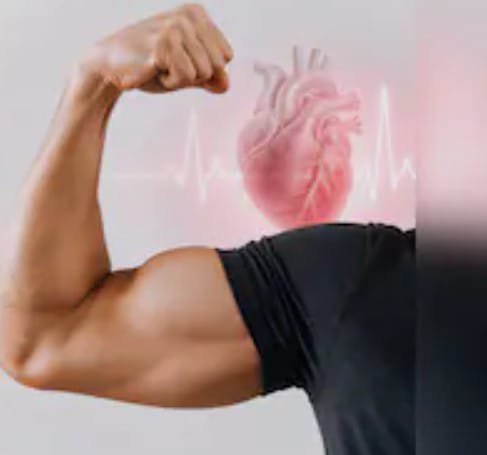
Doctors say that a basic way to prevent heart disease is to lower cholesterol, control blood pressure, and manage diabetes. Now, researchers are focusing on another organ that quietly impacts heart health: the skeletal muscles.
A study published in “Radiology” found that people with stronger chest and back muscles have a significantly lower risk of heart attack or death over the next ten years. Using artificial intelligence to analyze routine coronary CT scans, researchers found that muscle health is a key indicator of heart disease outcomes.
These results strengthen evidence that muscles are more than just structures that help us move. They regulate metabolism, improve insulin sensitivity, reduce inflammation, and produce chemicals that protect the heart.
The results of the study suggest that increased chest and back muscle mass may protect against heart attack risk for several reasons. These factors indicate increased physical activity, lower total body fat and belly fat, greater lung capacity and improved breathing capacity, and improved glucose tolerance and lipid profiles.
People who exercise daily have less belly fat, better cholesterol levels, better lung capacity, eat a healthier diet, and are less likely to smoke. All of these factors contribute to a reduced risk of heart disease.
When muscles contract, they release signaling proteins called myokines. One important protein is interleukin-6 (IL-6), which is released during exercise. These molecules help regulate metabolism, reduce inflammation, improve blood circulation, and reduce strain on the heart.
Scientists are now increasingly recognizing skeletal muscle as an endocrine organ, communicating with the heart, liver, and other tissues through these chemical messengers.
Healthy muscles also make arteries more flexible and improve blood flow, which improves heart and blood vessel function.
Although the recent study focused on the chest and back, evidence supporting the importance of leg muscles, such as the calves and thighs, has been accumulating for many years.
Calf muscles are often called the body’s second heart because each time they contract, they help pump blood back to the heart and improve blood circulation.
Research has consistently found that having strong thigh muscles reduces the risk of diabetes, heart disease, and premature death. A study published in the American Journal of Medicine found that a 10 percent increase in quadriceps strength (a strong group of four muscles in the front of the thigh) reduced overall mortality by 23 percent and deaths from heart disease by 34 percent.
The Copenhagen City Heart Study (2025) showed that maintaining good muscle health is an important part of maintaining heart health.