

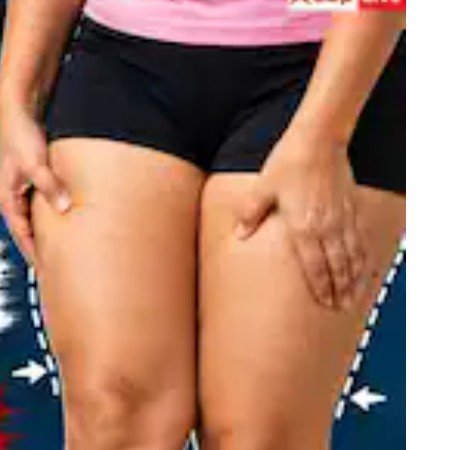
Fat accumulation in different parts of the body is common. Weight gain can be more pronounced in the stomach, waist, and thighs. However, if you notice abnormal fat accumulation in your thighs, hips, and lower legs, and despite losing weight, there’s no significant change, it’s best to ignore it simply as obesity. This could be due to a long-term condition called lipedema.
Lipedema is an abnormal accumulation of fat in the lower body, typically affecting the hips, thighs, and calves. Some people may also experience fat accumulation in the upper arms. It’s notable that it doesn’t usually affect the hands and toes.
According to the health information organization clevelandclinic, lipedema is often mistaken for normal obesity. One reason for this is that the lower body may appear heavier. However, lipedema is not the same as normal body fat. Normal fat is usually painless, whereas the fat deposits in lipedema can be painful to touch or pressure. Small lumps or pebble-like structures may also be felt under the skin. Additionally, heaviness and swelling in the legs may be observed.
Another significant difference in lipedema can be seen during weight loss. Diet and exercise can lead to weight loss in the upper body, but the thighs and legs affected by lipedema will not show the same proportionate change.
Lipedema can cause fat accumulation in the hips, thighs, and calves on both sides. Some people may also experience this in the upper arms. The affected area may experience mild to severe pain. Some people experience constant pain, while others only experience pain when pressing on the area. Symptoms may include heaviness in the legs, swelling, bruising, and increased fatigue. As the disease progresses, the skin texture may change and appear uneven.
The exact cause of lipedema is not yet fully understood. However, in some cases, it has been linked to family history. In approximately 20 to 60 percent of cases, other family members may also have the condition. This condition is almost exclusively seen in women. Hormones are also believed to play a role, as the onset or worsening of lipedema symptoms is often seen during hormonal changes such as puberty, pregnancy, and menopause. Obesity is not considered a cause of lipedema. However, many people with this condition may have a high body mass index (BMI).
It progresses slowly. In the initial stages, the skin may appear normal, but small lumps may be felt beneath it. Pain and easy bruising may also occur. In the next stage, the skin surface may appear uneven and pitted. As the problem progresses, large pockets of fat and skin folds may form in the legs, making it difficult to walk. In severe cases, lipedema may also be accompanied by lymphedema, a condition characterized by accumulation of lymph fluid in the body.
There is no definitive test to diagnose lipedema. Doctors usually diagnose it based on medical history and a physical examination. Painful fat in the affected area and the feet appearing unusually large compared to the toes can help diagnose it. If necessary, doctors may recommend tests such as blood tests, ultrasound, MRI, or CT scans to rule out other problems.
Currently, there is no cure for lipedema that completely eliminates it. However, proper management can help reduce pain, swelling, and other symptoms. Doctors may recommend therapy such as exercise, compression stockings, and in some cases, lymphatic drainage massage. Activities such as swimming, walking, and cycling can help improve mobility. In some cases, doctors may also consider options such as liposuction. Treatment is determined based on the individual’s condition and the stage of the disease.