

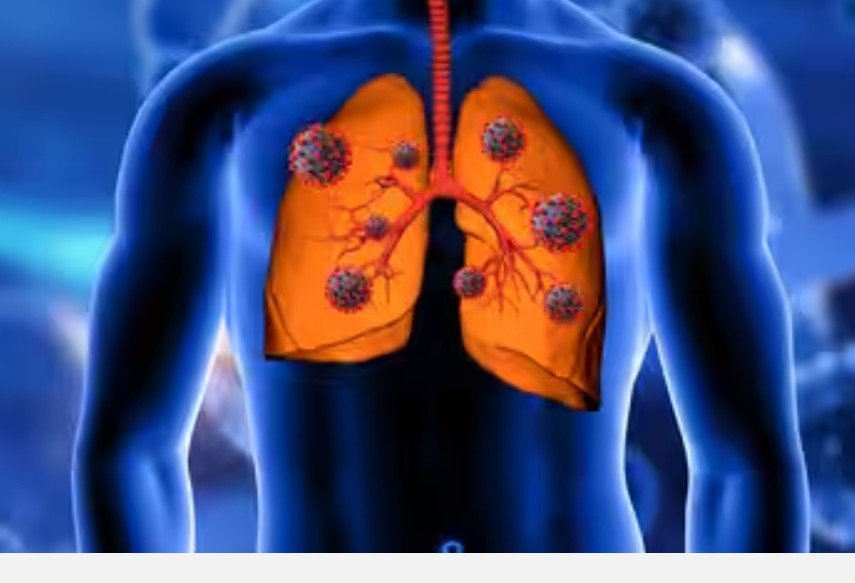
Shortness of breath while climbing stairs, a persistent dry cough, or fatigue after even a little physical activity may seem like common problems. However, if these symptoms develop gradually and persist for a long time, it’s best not to dismiss them as simply a matter of age, weather, allergies, or weakness. Idiopathic pulmonary fibrosis (IPF) could be the cause of a serious lung disease. IPF is a chronic interstitial lung disease in which the tissue surrounding the alveoli, the air sacs within the lungs, thickens and hardens, gradually leading to the formation of scar tissue called fibrosis. This impairs the lungs’ ability to transport oxygen to the bloodstream and can make breathing difficult over time.
According to the NIH, the “idiopathic” in idiopathic pulmonary fibrosis means the cause is unknown, while “pulmonary fibrosis” refers to the formation of scar tissue in the lungs.
It involves abnormal scarring of the interstitial tissue within the lungs. In healthy lungs, oxygen easily passes through the thin walls of the alveoli to the bloodstream. However, fibrosis causes these tissues to thicken and harden, making oxygen transfer difficult.
The progression of IPF varies from person to person. In some, it may progress slowly over years, while in others, lung function may deteriorate rapidly.
According to MayoClinic, the initial symptoms of IPF are often very general. A persistent dry cough and shortness of breath, especially during physical activity, are the most common symptoms. Fatigue, rapid breathing, and weight loss at rest may also occur in some people.
For example, if a person used to climb two or three floors of stairs comfortably, but now feels breathless on just one floor, this change should be noted.
If a similar cough has been associated with a viral infection for a few days and is getting better, the situation may be different. However, if a dry cough persists, returns repeatedly, or worsens over time, medical treatment may be necessary.
According to the Pulmonary Fibrosis Foundation, fibrosis develops in IPF due to damage and abnormal repair of lung tissue. Over time, the lungs can become thickened and stiffened as scar tissue builds up. This change has a major impact on oxygen exchange. Under normal circumstances, oxygen is easily absorbed into the bloodstream through the alveoli (air sacs). However, when the walls of the alveoli and surrounding tissue become fibrotic and thickened, oxygen becomes difficult to reach the bloodstream.
This is why a person may initially experience shortness of breath only when walking briskly, climbing stairs, or exercising. As the disease progresses, shortness of breath may occur even with minimal physical activity.
Our body’s muscles and organs require oxygen to function. When oxygen transfer is impaired due to fibrosis in the lungs, it can become difficult to meet the body’s increased oxygen demand during physical activity.
For this reason, a person with IPF may experience shortness of breath and fatigue while walking, climbing stairs, or even performing simple household chores.
According to the American Lung Association, the biggest challenge in identifying idiopathic pulmonary fibrosis is that its early symptoms are not specific to any one disease. Dry cough and shortness of breath can also occur in many other conditions, such as:Asthma, COPD, heart conditions, respiratory infections,Other interstitial lung diseases, Hypersensitivity pneumonitis,
Cough associated with gastroesophageal reflux disease (GERD), side effects of certain medications, etc.
For this reason, idiopathic pulmonary fibrosis cannot be diagnosed based on symptoms alone. The American Lung Association also states that the symptoms of pulmonary fibrosis can mimic those of other lung diseases, and this is why the condition can often be misdiagnosed initially.
A persistent dry cough, increasing shortness of breath, and unusual fatigue are not always considered normal. These symptoms can occur in many common conditions, but in some cases, they may be the cause of a more serious interstitial lung disease like idiopathic pulmonary fibrosis.
IPF causes progressive scarring of the lung tissue, which can stiffen the lungs and impair oxygen transport.
The progression of the disease varies from person to person. Therefore, it is important to seek evaluation from a pulmonologist if symptoms persist or worsen. A timely diagnosis can help understand the course of the disease and inform appropriate decisions about available treatment options.