

Our bodies don’t suddenly become ill; they often give small signals. Fatigue, a heavy feeling in the head, changes in skin, or mild discomfort don’t just happen. These signals indicate that pressure is building up somewhere within the body. The problem is that most people ignore these signals and only notice when pain begins.
Regarding this, Dr. Bhanu Mishra explained that most organ damage occurs without any obvious symptoms. People ignore these signs because they are not immediately apparent. The biggest danger is that by the time symptoms become severe, the damage is already extensive.
Fatigue is a common problem, but if fatigue persists even after getting enough sleep, it shouldn’t be taken lightly. This isn’t just due to a busy schedule; it could be a sign of increased pressure on the liver or kidneys. According to Dr. Bhanu, chronic fatigue isn’t just a sign of lack of sleep, it can also indicate liver or kidney problems. This fatigue gradually impacts both your thinking and energy.
The brain also sends signals in its own way. Frequent headaches, difficulty concentrating, or blurred vision are often attributed to stress or screen time. However, experts say these could be signs of dehydration, high blood pressure, or increased toxins in the body. Memory loss or decreased focus can also indicate brain stress.
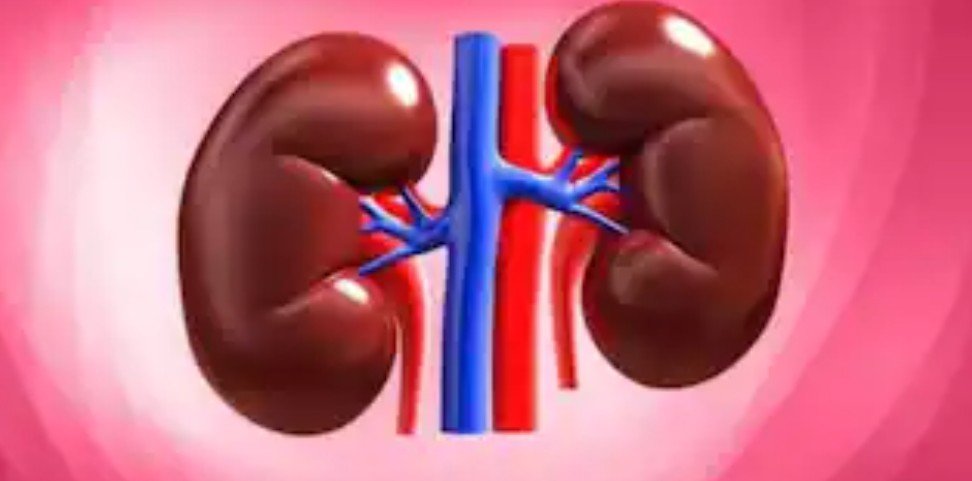
Other bodily signals can also reveal a lot. Changes in urine color, swelling in the feet, or puffiness around the eyes can all point to kidney stress. Similarly, frequent bloating, loss of appetite, or discomfort after eating can be signs of liver or pancreas problems. Skin, hair, and nails also reflect the state of the body’s internal health. Experts say that pale skin, itching, or a slight yellowing of the skin can be a sign of something amiss. Thinning hair or brittle nails also indicate a nutritional deficiency or internal imbalance. Often, minor problems like back stiffness, numbness in the legs, or dizziness upon standing are overlooked.
The best way to prevent these symptoms is to adopt good daily habits. Drinking enough water, eating a balanced diet, avoiding processed foods and excess salt and sugar, regular exercise, and getting enough sleep all contribute to a healthy body. Furthermore, even without symptoms, periodic health checkups are essential. Furthermore, an important study published in the International Journal of Family Medicine and Primary Care reveals that lifestyle-related diseases are silently increasing and are often detected only during routine checkups. This means that the body gives signals early, but we don’t understand them. Therefore, it’s important to get a checkup done on time.