

By Mayank Jain (Author & Film Director)
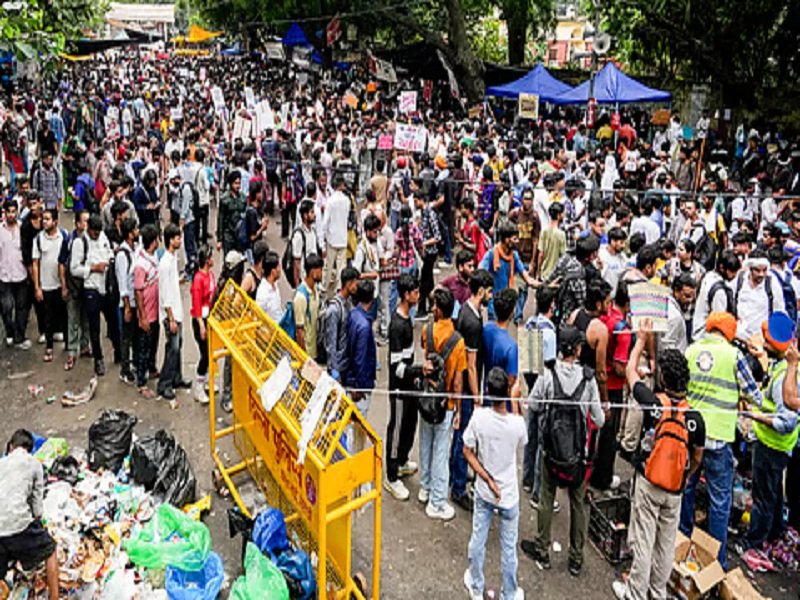
On the afternoon of July 20, 2026, Jantar Mantar stopped being an observatory and turned into a battlefield. Stones arched through the humid Delhi air and cracked against police helmets. Barricades splintered under the weight of young bodies. Flower pots, broken tiles, and whatever else came to hand became missiles. More than 118 police personnel were injured; some lay bleeding on the pavement while ambulances screamed through the narrow lanes. Scores of protesters were rushed to hospitals too.
The chants rising above the chaos were not arguments. They were obscenities, delivered with Gen‑Z bravado and rewarded with applause. Vulgarity itself had become the badge of courage.
Jai Singh II: From Science to Chaos
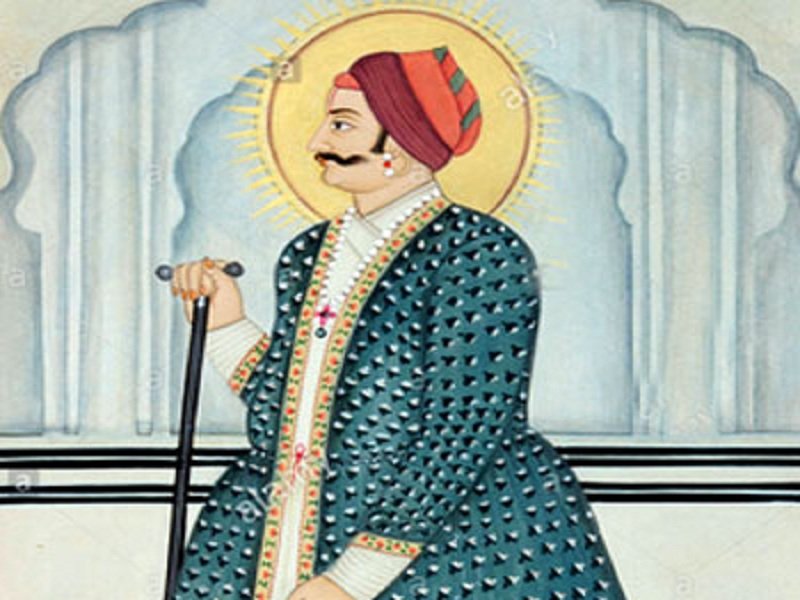
The irony hung heavy over the stones. This was the ground where Maharaja Jai Singh II, a Rajput prince with a scientific temperament, once built instruments to measure the heavens with precision. His yantras tracked eclipses and solstices, asserting that the universe possessed order.
On this day, those same silent instruments stood witness as language and civility collapsed into violence, while the ordered geometry of the sky was replaced by the disorder of the street. It was as if Jai Singh himself had returned — not to chart planetary motion, but to measure the pulse of deterioration.
And he was not alone. In imagination, other great minds seemed to descend as well: Freud with his physician’s calm, Jung with his archetypes, Orwell with his notebook, Gandhi with his sorrow, Vyasa with his memory of Shishupala, Chanakya with his strategist’s eye, Solzhenitsyn with his gulag‑hardened face, Bankim with his hymn of civilisation, Aurobindo with his vision of consciousness. Each stood as if summoned by the chaos, not to lead the crowd but to record its fall — measuring, in their own idioms, how far civilisation had slipped from order into noise.
Freud and Jung: The Crowd’s Double March
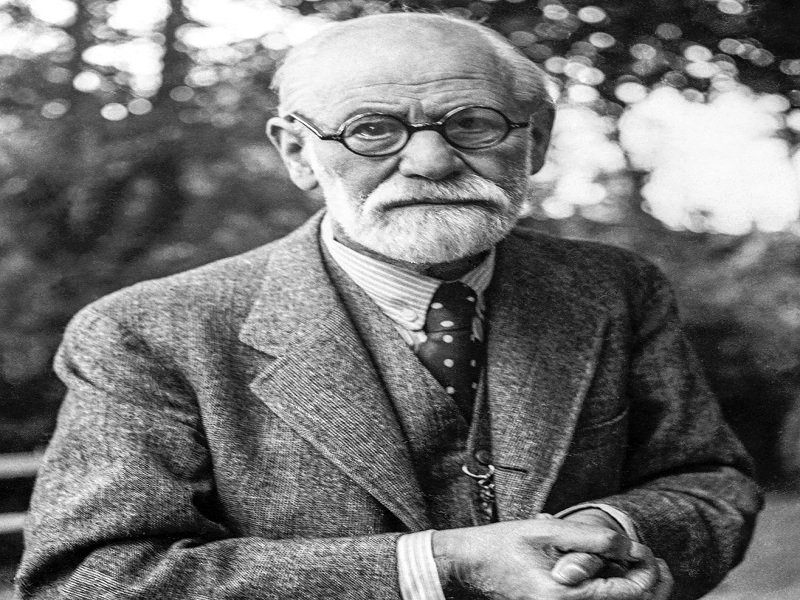
Freud watched the melee with the calm of a physician who had heard too many confessions. A boy barely out of college clambered onto a barricade, face flushed, hurling stones at the police. Each insult he screamed into the loudspeaker drew louder applause than any reasoned argument could ever earn. Freud smiled faintly. This was his theory of repression unfolding in real time. Civilisation, he had always argued, demands restraint: we swallow rage, bury impulses, and learn to behave. The crowd suspends those restraints. The rally had become a temporary licence for the unconscious to speak.
“Every crowd,” he murmured, “marches twice — once upon the street, once within the mind. Today the unconscious has discovered the loudspeaker.”
Jung stood beside him, less interested in childhood impulses than in the myths societies carry. He pointed to the neon‑painted slogans and chants branding opponents as pure demons. “Look,” he said. “They believe they are confronting evil. Yet beneath the surface their own shadow marches with them — resentment, envy, humiliation, aggression — all dressed up as virtue.”
For Jung, the crowd was not merely releasing personal frustration; it was enacting an archetype. The collective shadow of an entire civilisation had slipped into the procession disguised as righteousness.
Another volley of stones flew. Freud saw instinct released — the thrill of forbidden impulses finding voice. Jung saw archetypes awakened — the ancient drama of good versus evil, except the evil was marching inside the crowd itself. Together they revealed the double march: one outward against the police, the other inward against the restraints of civilisation.
George Orwell: The Cockroach of Language
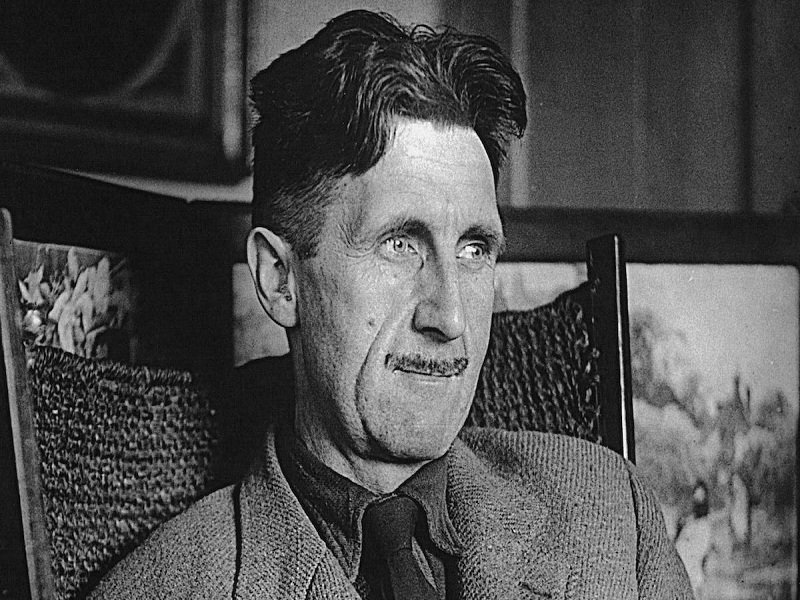
Orwell stood at the edge of the crowd, notebook in hand, watching slogans mutate in real time. A young man with a megaphone spat obscenities at the police, and the crowd roared as if it were poetry. Another placard, sprayed in neon, carried a phrase so crude it drew laughter instead of shame. Orwell’s pen scratched furiously, like a reporter filing a copy under deadline.
“This,” he muttered, “is language collapsing before our eyes.” He had long warned that political decay begins not with collapsing institutions but with collapsing words. Now he saw it: abuse rewarded more than argument, vulgarity mistaken for courage.
He imagined Animal Farm needing a new resident — not a pig, but a cockroach. A creature that survives amid confusion, adapts to every environment, and flourishes in darkness. The cockroach was not a political party but a habit of mind, thriving wherever outrage outweighed understanding.
“Slogans shorter than thought,” he sighed as another chant echoed, “images more persuasive than argument. This is the age of cockroaches.”
Mahatma Gandhi: The Discipline of Speech
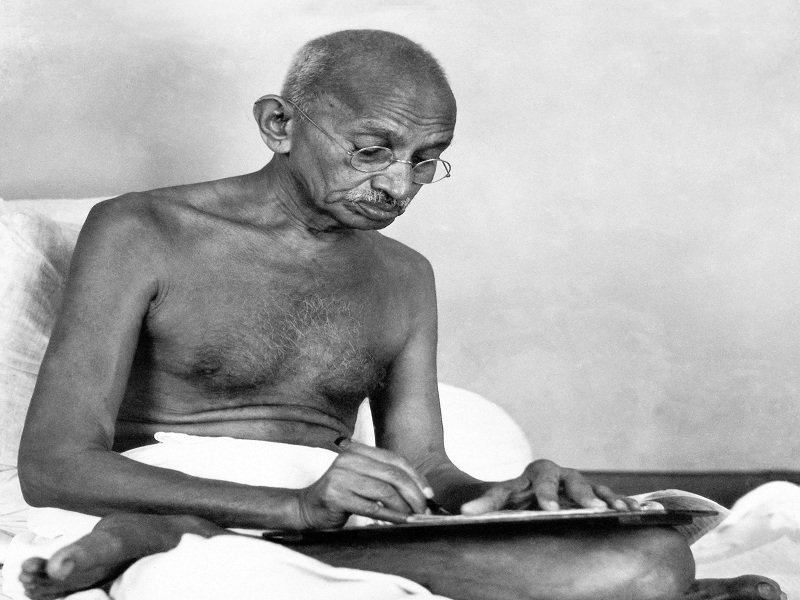
Gandhi stood quietly, his gaze fixed not on the slogans but on the policemen being carried away on stretchers. One officer’s khaki uniform was torn, his forehead streaked with blood. Another clutched his arm, grimacing as colleagues tried to support him. Ambulances wailed through the narrow lanes, their sirens slicing across the chants. Gandhi’s face was heavy with sorrow.
“This,” he whispered, “is what happens when speech loses its discipline.” For him, non‑violence had never meant silence; it was the art of self‑mastery. Words were weapons too, and when they turned vulgar they wounded the spirit before they wounded the body. Watching the injured, Gandhi saw not only broken barricades but a broken moral centre.
“A movement may lose an election and recover,” he said softly, “but when it loses the discipline of speech, it loses something deeper. If we become what we oppose, then victory belongs to vice.” His words hung in the air like a warning bell, reminding the crowd that the first act of courage is restraint, and the first casualty of vulgarity is truth itself.
Vyasa and Chanakya: Speech and Strategy
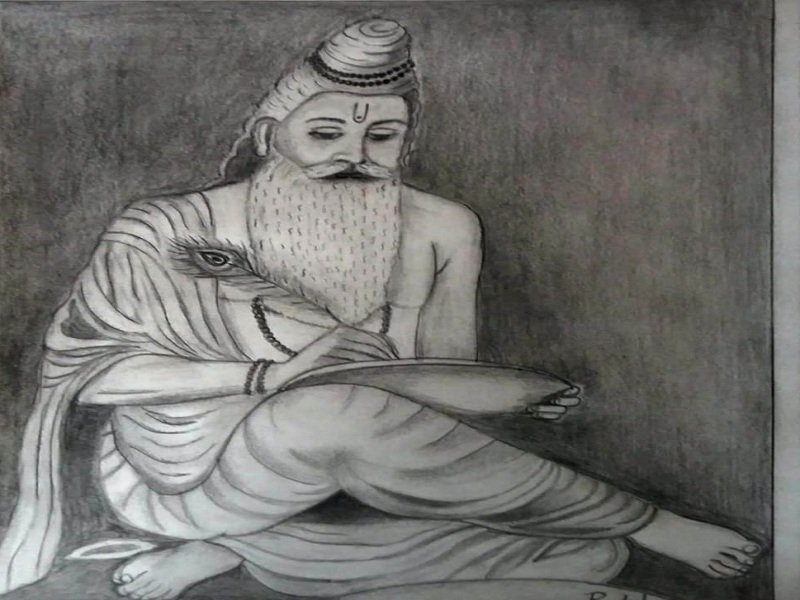
Vyasa stood among the crowd, memory reaching back to Shishupala in the Mahabharata. He watched a young protester scramble onto a barricade, megaphone in hand, inventing ever sharper abuses. Each insult was cheered as if it were an act of bravery. Vyasa shook his head. Shishupala too had believed his torrent of insults proved courage; in truth, it revealed only his bitterness.
“Words travel in two directions,” Vyasa said. “They strike another person, but they also return to reveal the speaker.” The boy thought he was humiliating the police. In Vyasa’s eyes, he was only exposing his own emptiness. Every insult was a confession, every cheer a mirror.
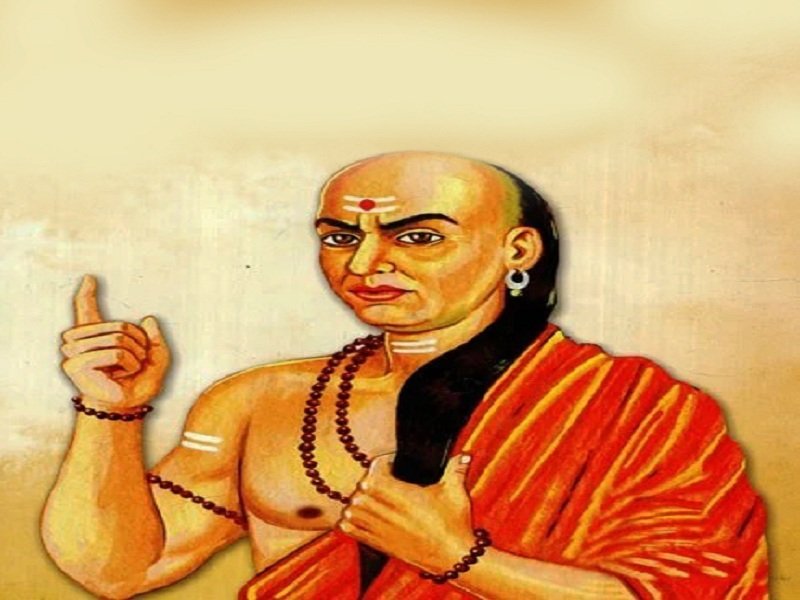
Chanakya, the strategist, looked past the noise to the stagecraft. He noticed how placards were angled for television cameras, how chants peaked precisely when news crews were filming, how leaders arrived just as the fever reached its height. “This is theatre,” he remarked, “and theatre has always been politics. But today the stage has satellites and smartphones.”
He asked the questions no one in the crowd wanted to hear: Who financed the mobilisation? Who profits from disorder? Who gains influence while others are distracted by moral rhetoric? The stones and slogans were not pure spontaneity; they were props in a larger play, carefully choreographed for power.
Solzhenitsyn: Utopias and Their Price
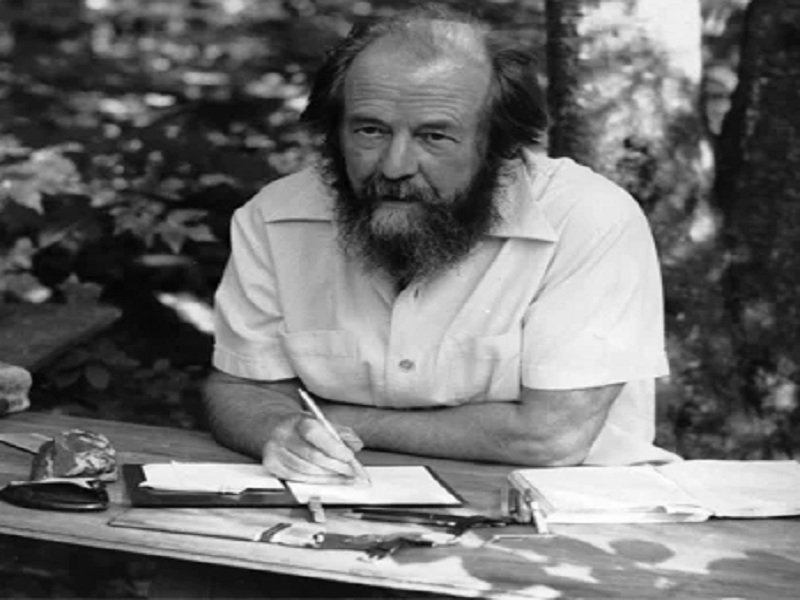
Solzhenitsyn stood a little apart, his face hardened by the memory of the gulag. He watched the banners promising a “new dawn” and “absolute justice,” the clenched fists declaring that the old order must be destroyed entirely. To the crowd these were words of hope; to him they were warnings.
He remembered how utopias always begin: with certainty, with the conviction that paradise lies just one sacrifice away. A young man nearby screamed that compromise was betrayal, his voice trembling with zeal. Solzhenitsyn shook his head. He had lived through revolutions that promised paradise and delivered prisons.
“When movements build themselves on absolute certainty,” he said, “they lose the capacity for self‑criticism. And when self‑criticism dies, dissent is punished.”
The stones flying at policemen were not only weapons against the state; they were symbols of a deeper danger. Each stone carried the logic of utopia — obedience demanded, silence enforced. Paradise, he knew, always exacted its price.
Bankim Chandra and Sri Aurobindo: Memory and Consciousness
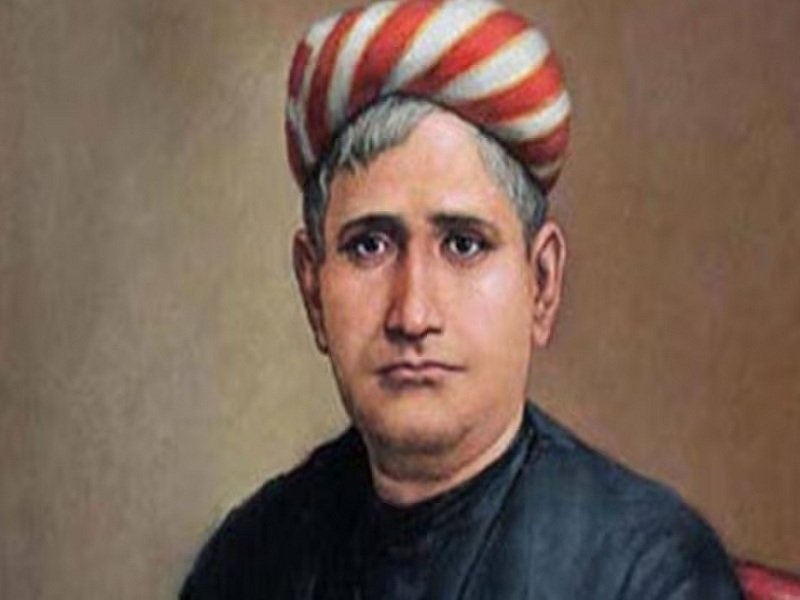
Bankim Chandra listened to the fleeting, inventive, vulgar chants and remembered how Vande Mataram had once been sung — not as a weapon against an enemy but as a hymn to civilisation itself. “What remains,” he asked, “after the slogans fade?” He pointed to the torn placards already trampled underfoot. “Patriotism without cultural memory is fragile. It burns bright for a moment, then disappears like smoke.” Vande Mataram had endured because it was remembrance, not mere noise. The crowd at Jantar Mantar seemed to have only noise.
Aurobindo gazed at the broken barricades and the injured policemen and saw incompleteness. “Revolutions that begin with resentment,” he said, “merely rearrange authority. They topple one figure only to enthrone another. The deepest revolution is civilisational — when consciousness itself grows larger than resentment.”
He gestured toward the observatory’s silent instruments, built to enlarge human vision. “Jai Singh believed in expanding human sight. Without inner growth, outer revolt is only noise.”
”
Orwell’s Closing: The Age of Slogans
As the crowd thinned, Orwell lingered, his notebook heavy with scribbles. Ambulances had carried away the injured, yet the slogans still clung to walls and memory like graffiti that refused to fade. He read one crude placard aloud and shook his head.
“This is the age of slogans,” he sighed. “Shorter than thought, more persuasive than argument. They are not ideas, they are reflexes. And reflexes, repeated often enough, harden into habits.”
He concluded that the cockroach was not a party but a habit of mind — thriving wherever outrage outweighed understanding, surviving in the cracks of collapsing language. Once words collapse, institutions follow. The danger was not only in the stones thrown that day, but in the erosion of speech itself.
The Chaiwala: A Bridge Between Generations
At the corner of Jantar Mantar, a chaiwala poured steaming cups for exhausted policemen and curious onlookers. He had seen protests before, seen leaders rise from tea stalls to the highest office, seen slogans change with every season. Yet as he watched the young hurl stones and obscenities, he frowned.
“Something is wrong,” he said, voice low but firm. “This generation is shouting because it feels unheard. Those in power dismiss them because they do not understand their language. The gap between Gen Z and Gen X is widening. Without a bridge, anger will keep replacing dialogue.”
His words carried an echo larger than the lane. India’s most powerful leader had once stood behind a tea stall — proof that voices from the margins can climb to the centre. The chaiwala insisted that power must not forget its origins. “If leaders forget how to listen to the young,” he said, “then the tea stall becomes only a memory, not a lesson. The present generation needs to be understood more deeply by those in power. There must be a bridge — otherwise stones will keep flying where words should have been enough.”
The observatory’s silent instruments still pointed toward the heavens, reminding Delhi that truth requires order, not noise. The chaiwala’s plain speech reminded everyone that civilisation begins not in slogans but in the difficult work of listening across generations — a bridge where youthful rage can be translated into understanding, and authority into empathy.