

NEET-PG Cut-Off Changes and Their Impact
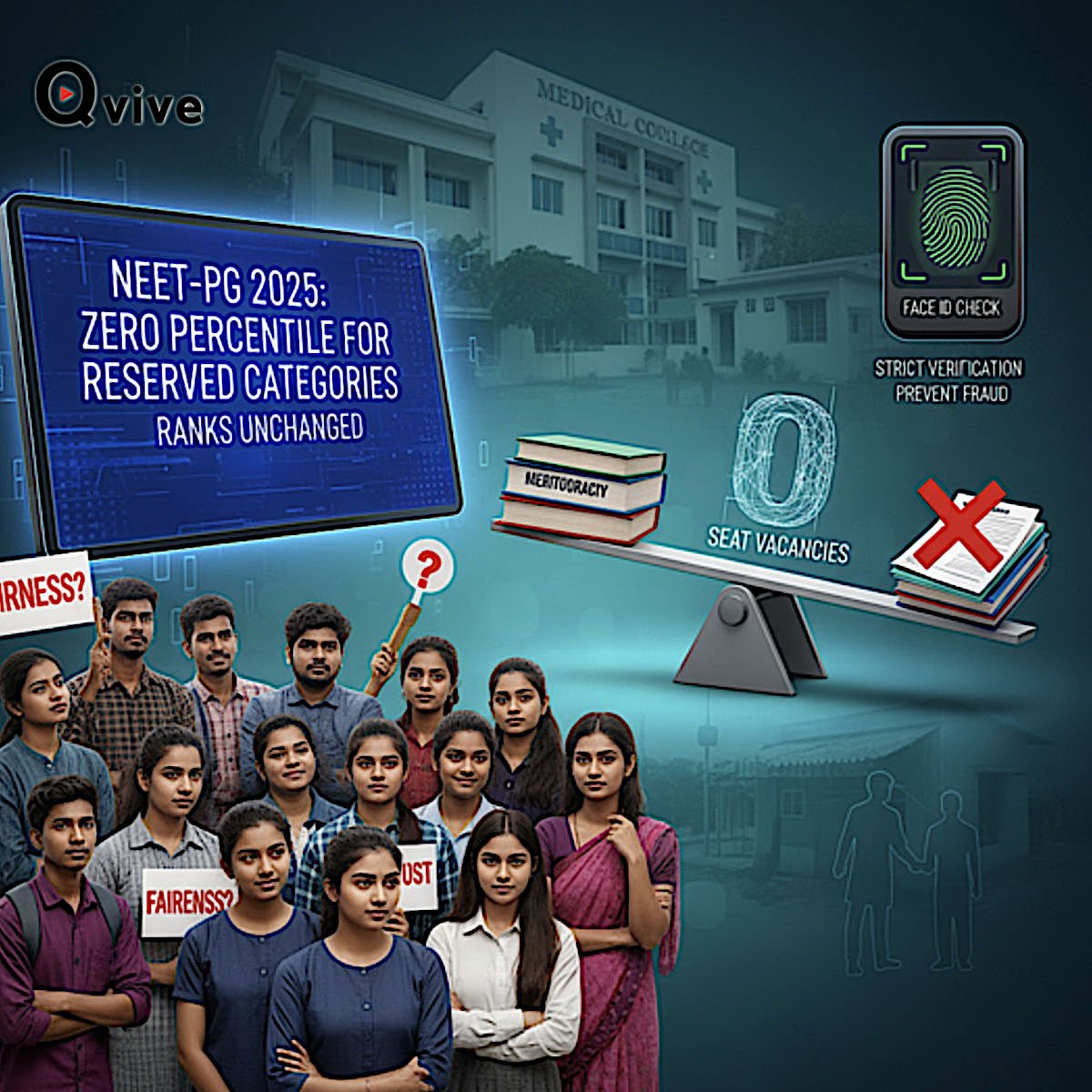
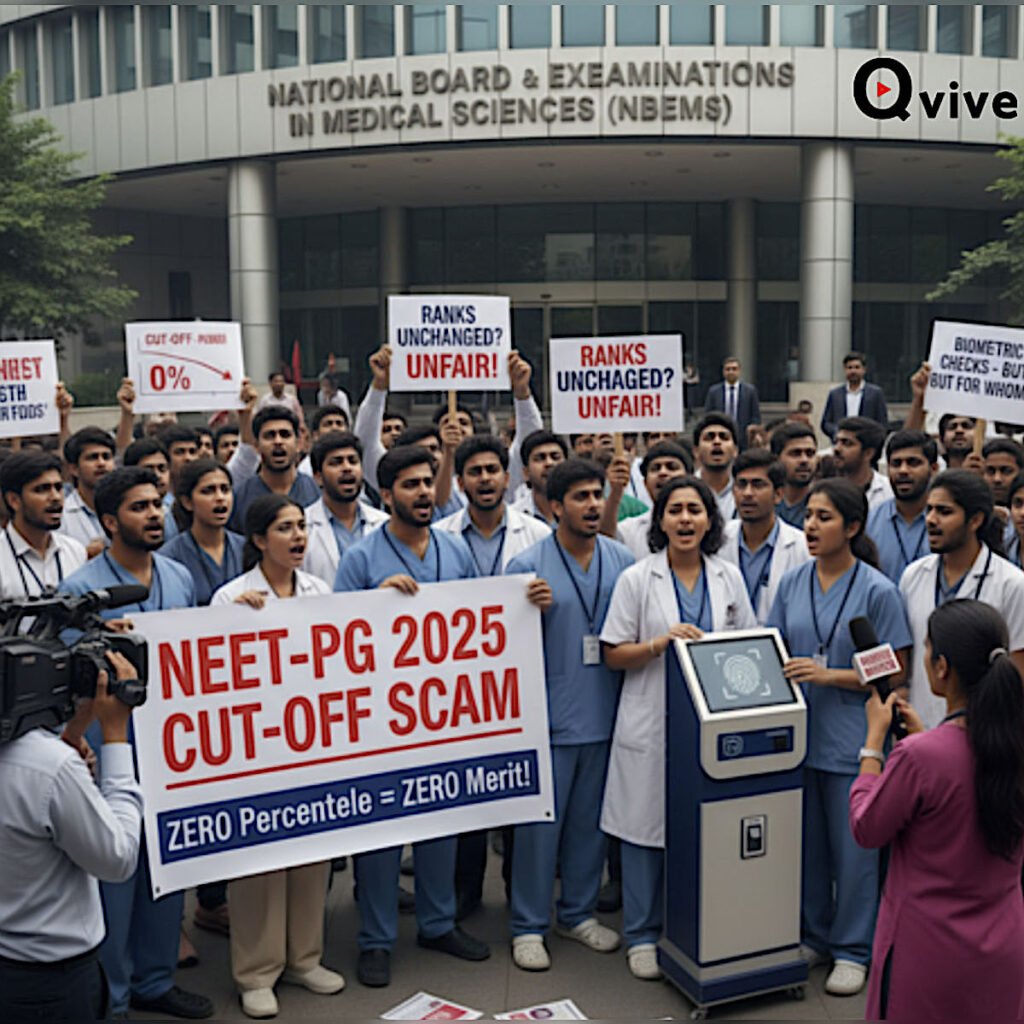
On January 14, 2026, it was announced that the National Board of Examinations in Medical Sciences (NBEMS) has significantly lowered the minimum qualifying percentile for the National Eligibility cum Entrance Test for Postgraduate Courses (NEET-PG) 2025 counseling for reserved categories. The sudden changes in the NEET-PG cut-off—dropping to ZERO percentile for reserved categories while keeping ranks unchanged—have sparked controversy.
NEET-PG and Cut-Offs
NEET-PG is an exam that helps determine placement for postgraduate medical seats across India. Think of it like a key that unlocks the doors to medical specialties such as surgery, pediatrics, or internal medicine. Each year, candidates must score above a certain threshold—known as the cut-off—to gain eligibility for counseling and admission.
- Cut-Off: This is the minimum score needed to be considered for a seat. If you envision a race, think of the cut-off as the finishing line: only those who cross it can move forward.
- Reserved Categories: These are groups of candidates who have specific quotas due to caste or socioeconomic statuses. They often have different cut-off requirements.
Why the Change Was Made
Prior to this announcement, the cut-off percentile was set too high compared to the number of available seats. There were over 18,000 postgraduate seats unfilled across government and private medical colleges after the initial phases of counseling. This situation led to wasted opportunities and resources in the healthcare field.
- The Indian Medical Association (IMA) highlighted this issue, stressing the urgent need for change to avoid leaving seats empty. It’s similar to having a buffet with plenty of food but no one to eat it—those resources go to waste.
- The National Medical Commission (NMC) and Ministry of Health & Family Welfare (MoHFW) likely approved this policy shift.
- The decision may have been influenced by political pressures (especially with upcoming elections) or bureaucratic adjustments to meet healthcare workforce targets.
Objectives of Lowering the Cut-Off
- Fill Empty Seats: The main goal is to ensure that all available seats are filled, maximizing the number of trained medical professionals entering the workforce.
- Strengthen Healthcare: By utilizing all available seats, India can work towards a stronger healthcare system with more doctors available to care for patients. More doctors mean better healthcare delivery.
- Maintain Integrity of the Process: Although the cut-off has been lowered, the integrity of the NEET-PG process remains intact. This means students will still be admitted based on merit, ensuring qualified doctors are entering the system.
Important Details About the New Cut-Off
- Verification Process: Even with a zero percentile cut-off, eligibility will still be confirmed through thorough checks at the time of admission, including marks from their previous medical exams and face id/biometrics to prevent fraud.
NTA’s Implementation of Mandatory Facial Recognition for Entrance Exams
The National Testing Agency (NTA) is set to implement facial recognition technology for identity verification in major entrance examinations, including NEET and JEE, starting in 2026.
- Live Photo Capture: Candidates will also have the option to capture live photographs during the application process to enhance security and prevent impersonation.
- Pilot Test : They report that a successful Proof of Concept (PoC) was conducted during the 2025 NEET exam, utilizing Aadhaar-based face authentication technology. This test was aimed at assessing the feasibility of biometric verification methods.
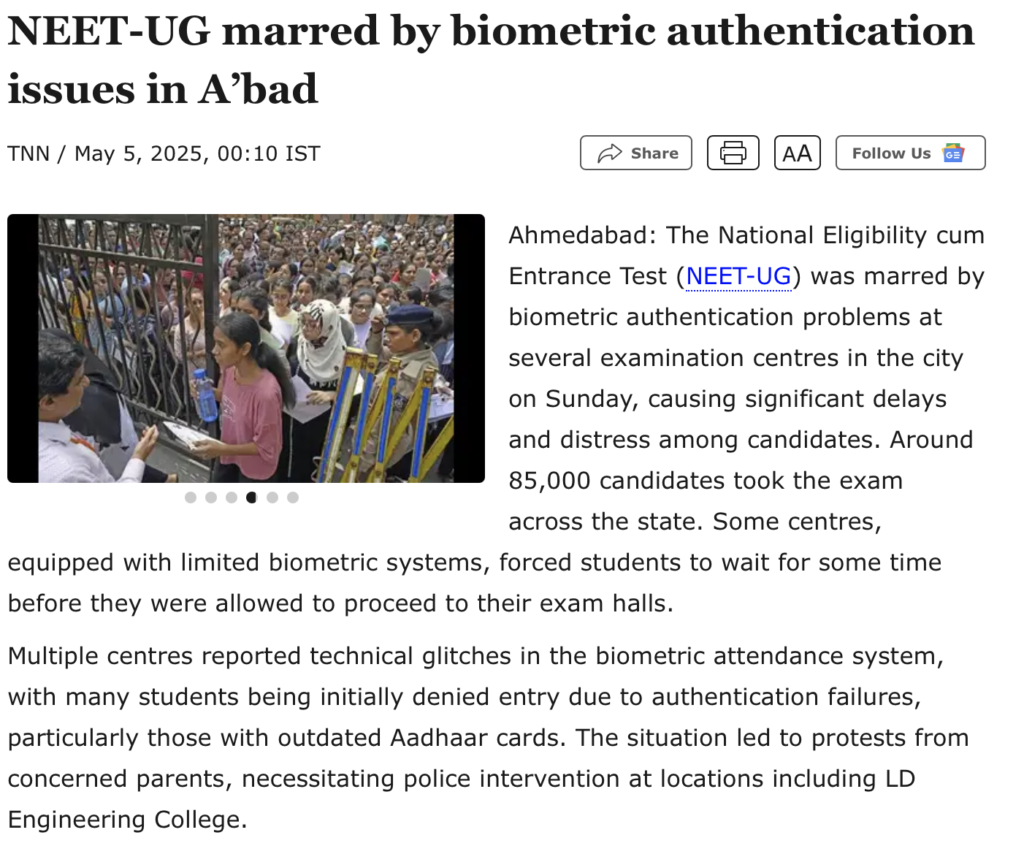
But, the National Eligibility cum Entrance Test (NEET-UG) faced significant biometric authentication challenges at various examination centers in Ahmedabad on May 5, 2025, affecting approximately 85,000 candidates statewide.
- Technical Integration: The PoC findings demonstrated effective integration of UIDAI’s technology with the National Informatics Centre’s (NIC) digital infrastructure and NTA’s examination protocols, indicating a solid groundwork for broader implementation.
- Biometric Verification Process: Facial recognition will analyze unique facial features to create a digital template for comparison with stored biometric data. This process is expected to use AI for analysis and will only apply at designated exam centers.
- Recommendations by Radhakrishnan Committee: The NTA’s plans are based on recommendations from the Radhakrishnan Committee, established to address recent incidents of alleged exam paper leaks only.
- Goals of the New Measures: The primary objectives of these advancements are:
- To enhance the reliability of identity verification.
- To act against fraudulent practices in entrance examinations.
- To ensure that candidates’ identities are accurately confirmed, thus maintaining the integrity of the examination process.
Overlooking previous problems, do these new measures remain applicable?
The National Eligibility cum Entrance Test – Post Graduate (NEET PG) was held on March 6, 2023, at St Joseph College of Engineering in Sriperumbudur, Tamil Nadu.
- Technical Issues:
- Students faced significant delays and disruptions due to technical glitches and unexpected power cuts.
- The exam, originally scheduled from 9:00 AM to 12:30 PM, did not start on time, commencing instead at 11:00 AM.
- Impacts on Candidates:
- The examination was interrupted multiple times, including a notable power cut lasting approximately 20 minutes occurring midway through the test.
- Students reported feelings of stress and frustration, highlighting the emotional toll of the situation, with some candidates leaving the venue in tears due to concerns about their performance.
- Official Response:
- Tangedco, the power supply company, stated there were no planned power interruptions during the exam, implying the fault lay elsewhere.
- Attempts to obtain comments from the National Board of Examinations (NBE) regarding the technical issues were unsuccessful.
Herein lies the key: As per the WEF agenda, India serves as an experimental model. They claim that these steps, if successfully implemented, may set a precedent for the adoption of similar biometric technologies in educational and examination systems across other states and countries.
2. No Shortcuts: Direct admissions or favors will not be allowed; students must go through the official channels for placement.
3. Quality of Education: While this change expands access to more candidates, it does not compromise academic standards—those admitted will still have completed their MBBS degrees.
Has This Happened in Previous Years?
Yes. Similar situations occurred during NEET PG 2024 counselling, where the qualifying percentile was officially reduced to 15th percentile for General/EWS and 10th percentile for reserved categories. The counselling process extended into February and March that year as well.
This confirms that cutoff reductions and delayed rounds are not unusual and are often used as corrective measures to ensure maximum seat utilization.
Press Release on Medical Education Updates
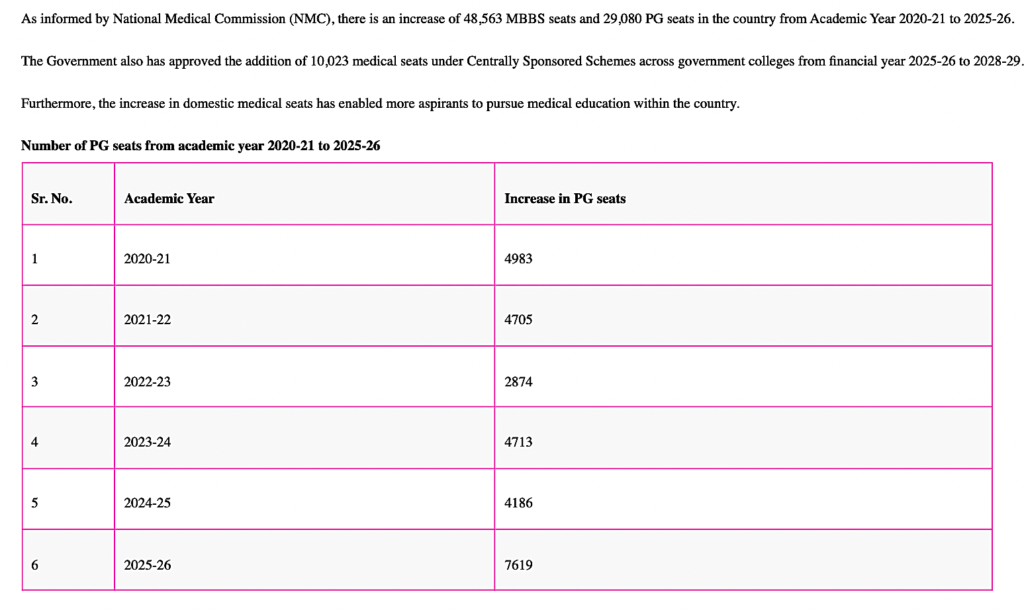
On December 16, 2025, the National Medical Commission (NMC) announced updates about medical education in India. This includes a significant increase in the number of medical seats available in government colleges, aimed at making medical education more accessible for aspiring students.
- Increase in Medical Seats:
- From the academic year 2020-21 to 2025-26, there has been a total increase of:
- 48,563 MBBS (Bachelor of Medicine, Bachelor of Surgery) seats
- 29,080 PG (Postgraduate) seats
- Additionally, the government has sanctioned 10,023 additional medical seats for government colleges under Centrally Sponsored Schemes for the financial years 2025-26 to 2028-29.
- From the academic year 2020-21 to 2025-26, there has been a total increase of:
- Why This Matters:
- More medical seats mean that more students can pursue their dreams of becoming doctors without needing to go abroad.
- For example, imagine a classroom that used to have 30 students but now has room for 40. This not only helps students who want to learn but also potentially increases the number of doctors available to care for patients in the country.
- Regulations to Ensure Quality:
- The NMC, which is the main authority overseeing medical education in India, has put forth several regulations to maintain high standards in medical training. This is essential to ensure that, while more students are being trained, the quality of education does not suffer.
- Some of the important regulations include:
- Minimum Standards Requirement (MSR): These are baseline standards that medical colleges must meet.
- Undergraduate Medical Education Regulations (GMER), 2023: Guidelines for the training of future doctors.
- Maintenance of Standards of Medical Education Regulations (MSMER-2023): Rules to keep educational quality high.
- Competency-Based Medical Education (CBME) Curriculum Guidelines 2024: A curriculum framework that focuses on what students should be able to do by the end of their education, rather than just what they should know.
- The Role of the Government:
- Smt. Anupriya Patel, the Union Minister of State for Health and Family Welfare, shared this information in a written reply to the Rajya Sabha.
Ref:
- https://morungexpress.com/govt-lowers-neet-pg-2025-cut-off-for-counselling-to-0-percentile-for-reserved-categories
- https://www.indiatoday.in/education-today/news/story/facial-biometric-verification-for-neet-jee-planned-from-2026-as-nta-tightens-security-2841027-2025-12-24
Also Read: