

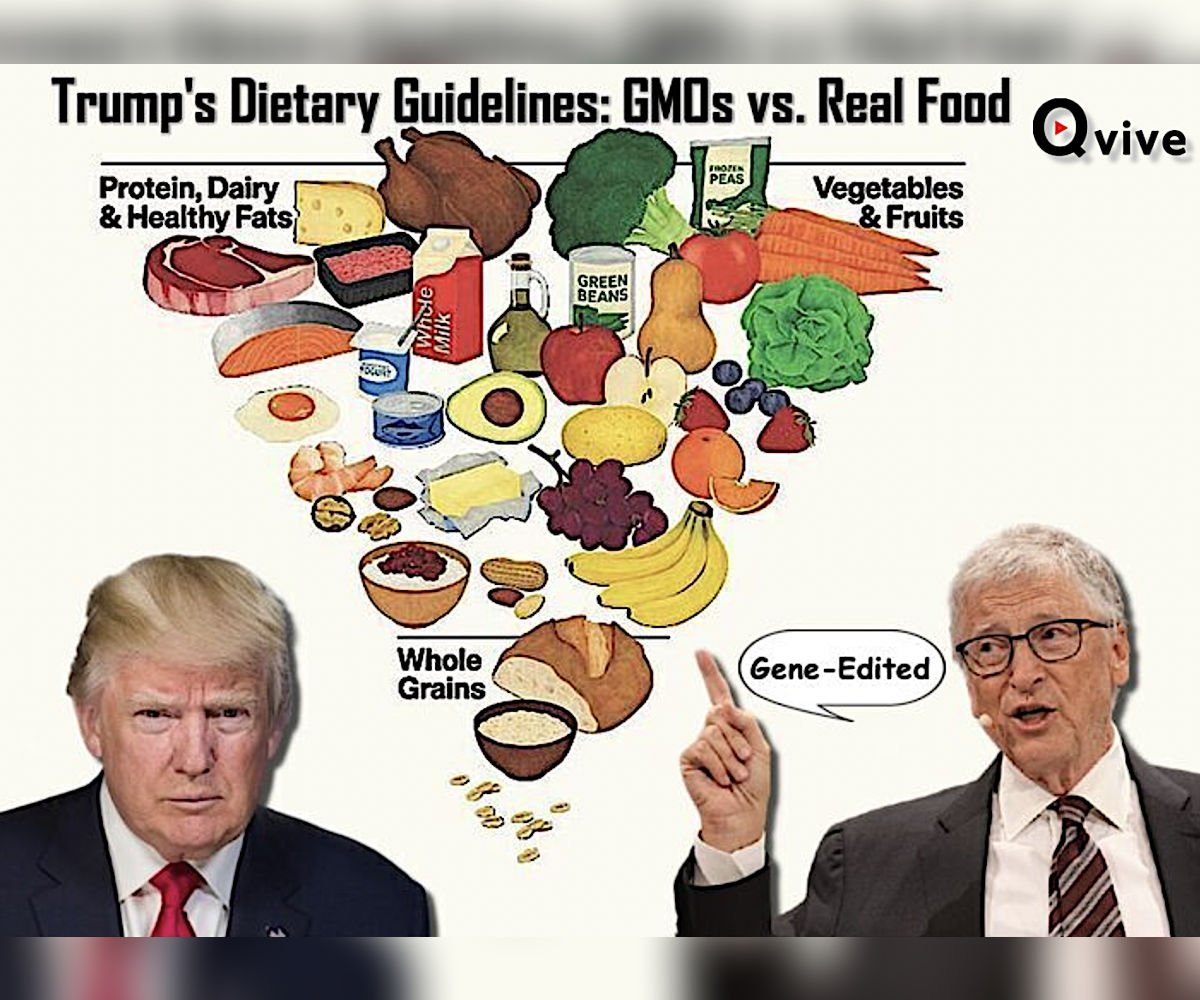
On January 7, 2026, the Trump administration released the new Dietary Guidelines for Americans. The core message is “Eat real food,” emphasizing whole, nutrient-dense foods while discouraging ultra-processed foods, added sugars, and seed oils. Key changes include:
- Prioritizing high-quality protein (e.g., meat, dairy) in every meal.
- Recommending healthy fats, including full-fat dairy.
- Limiting added sugars and highly processed items.
- Returning to a food pyramid format focused on nourishment over pharmaceuticals.
Introducing: The New Pyramid pic.twitter.com/NR03y6bqos
— HHS (@HHSGov) January 7, 2026
These guidelines influence federal programs like school meals and aim to restore “common sense” to nutrition policy. They do not specifically address GMOs or gene-edited foods, focusing instead on whole vs. processed foods.
Bill Gates and Discussions with Trump at Tech CEO Dinner
Bill Gates attended a White House dinner for tech CEOs in September 2025, where he praised innovations in health, including vaccines and gene editing. He mentioned ongoing talks with President Trump about advancing American innovation in these areas, particularly for global health (e.g., eradicating diseases like polio and HIV). Gates has also expressed interest in collaborating on vaccines and gene editing for food and health.
The Great Reset Agenda 2030 (StargateAI and Quantum): In this video, Gates talked about how the work done by the people at this table is changing the world.
Gates has long supported genetic engineering (including GMOs and gene editing) to improve crop yields, resilience, and nutrition, especially in Africa. Critics argue his investments promote industrial agriculture and monocrops, potentially harming small farmers and the environment.
Do GMOs or Gene-Edited Foods Cause Obesity?
Genetically engineered (GE) crops, also known as genetically modified organisms (GMOs), have been a topic of significant debate regarding their safety and potential health effects on humans.
GMOs have been promoted as a solution to global food shortages, but recent evidence raises questions about their actual benefits to health and nutrition. Here’s a simplified look at the concerns surrounding GMOs and their possible connection to rising obesity rates.
What Are GMOs?
Think of GMOs as food products that have been engineered in a lab for specific traits, like resistance to pests. However, instead of being consumed as whole foods, GMOs mainly enter our diets through processed products. For example, when you eat a snack made with corn or soy, you might unknowingly be consuming ingredients derived from GMO crops.
The Real Impact of GMOs
- Nutrition and Yields:
- Studies show that GMOs don’t significantly increase the amount of food produced or improve its nutritional value. They often have higher levels of harmful pesticide residues, raising concerns about their safety.
- Junk Food Connection:
- GMO products are often used to create unhealthy ingredients found in junk foods (like high-fructose corn syrup). This means that rather than helping to feed the world, GMOs may be contributing to unhealthy eating habits.
- Companies focused on creating processed foods are investing in maintaining a cycle of consumption that targets children, thereby fostering lifelong preferences for unhealthy options.
Pesticide Problems
GMO crops are frequently designed to withstand herbicides, leading to higher levels of these chemicals (like glyphosate) in the foods produced. Glyphosate is known to disrupt hormones and harm beneficial gut bacteria, potentially affecting our digestion and nutrient absorption. This could be a reason why many individuals struggle with weight management today.
Research Findings on Animals
Scientists in Norway studied the effects of GMO corn on animals. They found:
- Animals fed GMO corn became heavier and showed issues with digestion and immune function.
- Specific changes in animals suggest that GMO foods could lead to problems similar to obesity in humans if consumed over time.
Broader Health Impacts
These changes in animals lead to worried questions about human health. Studies have linked GMOs with various health issues, including:
- Obesity
- Diabetes
- Digestive disorders
- Autoimmune diseases
These potential risks underline the importance of further research on the long-term health effects of consuming GMO foods.
Gene Transfer Concerns
Interestingly, few studies found that DNA from GMOs could transfer into the blood and organs of animals. This contradicts the idea that GMO genes are destroyed during digestion. The unknown implications of these gene transfers demand caution and more investigation.
Here are some of the gene-editing and genetically modified food initiatives associated with Bill Gates:
Gene-Edited Crops and Organisms
- CRISPR-edited mustard greens: Gates-backed Pairwise is developing mustard greens with reduced bitterness using CRISPR technology to make them more palatable to consumers. This aims to increase the consumption of nutrient-rich greens.
- CRISPR-edited corn: In collaboration with Bayer, Pairwise is also working on CRISPR-edited corn varieties designed for increased yield and resilience to environmental factors, such as stronger stalks to prevent lodging (falling over in wind).
- Climate-resistant rice varieties: The Bill & Melinda Gates Foundation has provided significant grants to the International Rice Research Institute (IRRI) to develop climate-resistant rice varieties, including those that may utilize gene-editing techniques to withstand extreme weather and pests.
- Self-fertilizing plants: JoynBio, a joint venture between Ginkgo Bioworks (a Gates-backed company) and Bayer, is researching genetically engineered microbes that can fix nitrogen to plants, potentially reducing the need for synthetic fertilizers and their associated emissions.
- Engineered yeast and bacteria for food ingredients: Ginkgo Bioworks uses “cell programming” to genetically engineer flavors, scents, vitamins, amino acids, and enzymes for ultra-processed foods. This includes replicating flavors for plant-based alternatives like cheese, beef, and chicken.
- Genetically modified bananas: The Bill & Melinda Gates Foundation has funded research into genetically modified bananas designed to be more nutrient-dense, specifically with increased vitamin A and iron content, to combat malnutrition and anemia in regions like Uganda and India.
- Gene-edited dairy cows: The Gates Foundation has invested over $40 million in projects to genetically engineer dairy cows to maximize productivity and durability, particularly in hot climates, through companies like Acceligen (a division of Recombinetics).
Plant-Based and Cultivated Alternatives
- Impossible Burger: Bill Gates is a prominent investor in Impossible Foods, which produces plant-based patties made from genetically engineered soy and textured with engineered yeast. The company holds numerous patents for replicating the taste and texture of meat and dairy products.
- Cultivated meat and alternative fats: Gates has invested in companies like Savor and C16 Biosciences, which are developing novel fats and oils as sustainable alternatives to traditional animal and plant-based fats. These innovations aim to reduce the environmental impact of food production, including that of cultivated meat.
These initiatives reflect a broader strategy to leverage biotechnology and advanced food production methods to address global food security and environmental concerns, often with a focus on scalability and industrial application.
Genetically Modified Medicines
Genetically modified medicines, also called biopharmaceuticals or biologic drugs, are medications made using genetic engineering techniques.
These medicines come from living organisms like bacteria, yeast, or mammal cells that have been altered to produce helpful proteins or molecules for treatment.
Examples of Genetically Modified Medicines:
- Insulin:
- Used for treating diabetes.
- Human insulin genes are inserted into bacteria or yeast. These organisms then produce insulin identical to what our bodies naturally create.
- Human Growth Hormone (HGH):
- Helps children with growth problems and adults with hormone deficiencies.
- Created using modified bacteria or mammal cells.
- Erythropoietin (EPO):
- A hormone that helps produce red blood cells, crucial for those with anemia from kidney disease or chemotherapy.
- Made from genetically modified mammal cells.
- Monoclonal Antibodies:
- Engineered proteins that treat diseases like cancer and autoimmune disorders.
- Created from modified mammal cells specifically to target harmful molecules in the body.
- Blood Clotting Factors:
- Essential for treating hemophilia.
- Produced using genetically modified cells, these include factors like Factor VIII and Factor IX.
- Vaccines:
- Some vaccines use genetically modified organisms to create substances that help trigger an immune response.
- For example, the hepatitis B vaccine is made using genetically modified yeast.
- Enzyme Replacement Therapies:
- Some genetic disorders lack specific enzymes. These therapies produce the necessary enzymes artificially.
- They can treat diseases like Gaucher’s disease and Fabry disease.
- Cancer Therapies:
- Genetically altered T cells, a type of immune cell, are being developed as treatments for certain cancers.
- These T cells are equipped with special receptors (CARs) to stick to and fight cancer cells.
- Clot-Dissolving Agents:
- Certain genetically modified bacteria or yeast can produce enzymes that help dissolve blood clots.
- An example is tissue plasminogen activator (tPA), which is used in emergencies like strokes or heart attacks.
Genetically Modified Animals
Genetically modified (GM) animals are animals that have been intentionally changed using genetic engineering. This means scientists alter their DNA to include traits or features that naturally wouldn’t be present.
- Examples of GM Animals:
- GloFish:
- These are zebrafish that have been modified to glow in the dark due to proteins added from jellyfish and coral.
- They’re not only pets but also help scientists study genetics and pollution.
- AquAdvantage Salmon:
- This type of salmon grows faster than regular salmon.
- It has genes from Chinook salmon and ocean pout, allowing it to produce growth hormones all year, making it market-ready more quickly.
- Enviropig:
- These pigs produce less phosphorus in their waste.
- This change helps reduce pollution from pig farming, benefiting water quality.
- Knockout Mice:
- Researchers create these mice by turning off specific genes in their DNA.
- This helps scientists understand what those genes do and how they relate to diseases in humans.
- Transgenic Goats:
- These goats are engineered to make special proteins in their milk.
- For example, some can produce antithrombin, a crucial protein for blood clotting treatments.
- Genetically Modified Mosquitoes:
- Scientists modify these mosquitoes to help stop diseases like malaria and dengue fever.
- They can carry a gene that stops the growth of the parasites that make people sick.
- Dolly the Sheep:
- Dolly was the first true cloned mammal made from an adult cell, using a method called somatic cell nuclear transfer.
- While cloning isn’t the same as genetic modification, it still changes an organism’s genetics in a unique way.
- Genetically Modified Pigs for Organ Transplants:
- Some pigs have been altered to have human genes in their organs.
- This is aimed at making their organs more suitable for transplants into humans, known as xenotransplantation.
- Featherless Chickens:
- These chickens are bred to have fewer feathers.
- This might make processing easier and reduce the need for feather removal.
- Spider Silk-Producing Goats:
- Certain goats have been designed to produce proteins needed for making spider silk in their milk.
- Spider silk is incredibly strong and lightweight, making it useful for various materials.
- GloFish:
Ethical Issues Related to Genetically Modified Organisms
GMOs are living beings whose DNA has been altered through scientific techniques called genetic engineering. This process allows scientists to give organisms specific traits, which can help in research and in creating food or medicines. While GMOs can offer benefits, they also raise important ethical questions that we need to consider.
Here are some of the main ethical concerns surrounding GMOs:
- Unpredictable Ecosystem Impact: When GMOs are released into the environment, we can’t always predict what will happen. It’s like introducing a new species into a forest; it might thrive and disrupt the balance of the local ecosystem, which could harm native species and biodiversity.
- Patent Rights: Companies often seek patent rights for new GMO varieties, which means they claim ownership of these creations. This raises questions about fairness, especially when these organisms are developed using traditional techniques or knowledge from local farmers.
- Biopiracy: A specific example of this issue involves American companies claiming ownership over a new variety of Basmati rice by cross-breeding it with local Indian varieties. This act, known as biopiracy, allows companies to take advantage of local resources without compensating the individuals or communities who originally cultivated them. Such actions threaten local biodiversity and the livelihoods of farmers who depend on these traditional crops.
- Exploitation By Developed Countries: Countries like India and those in Africa have rich traditional knowledge about their biodiversity, whereas developed countries might lack this variety. This situation can lead to these nations’ resources being exploited without proper ethical considerations or benefits for the local populations.
- Regulation and Oversight: To address these ethical issues, regulations have been established. For example, India has set up the Genetic Engineering Approval Committee (GEAC) under its Environment Protection Act of 1986. This committee is responsible for creating rules governing how GMOs are developed, used, imported, exported, and stored. This is similar to setting up rules for safe driving to ensure everyone’s protection on the road.
Which types of genetically modified organisms are available in India?
Approved GMO for Commercial Cultivation:
Bt Cotton:
Introduced in 2002, Bt Cotton is the only genetically modified crop approved for cultivation in India.
It is engineered to resist the cotton bollworm, a major pest that damages cotton plants.
Thanks to Bt Cotton, India has become a leading cotton producer and exporter worldwide.
By 2014, about 96% of India’s cotton area was under Bt Cotton, making India the fourth-largest cultivator of GM crops globally.
Currently Under Moratorium or Judicial Review:
Bt Brinjal (Eggplant):
Approved for commercialization in 2009 by the Genetic Engineering Approval Committee (GEAC).
However, due to public opposition and ecological concerns, a moratorium was placed on its cultivation in 2010.
Authorities stated there was “no overriding urgency” to introduce it, keeping it under review.
GM Mustard (DMH-11):
Developed by scientists at Delhi University and approved in 2017 for commercial cultivation.
Designed to improve yield through hybridization rather than traditional self-pollination.
The approval has been stalled due to legal challenges and public protests, and it remains under judicial review.
Genetic Modification:
This is a scientific process where specific genes from one organism are inserted into another to give it desirable traits, like pest resistance in Bt Cotton.
Example: Bt (Bacillus Thuringiensis) genes are used in Bt Cotton to produce its own insecticide against the bollworm
- Moratorium:
- This is a temporary prohibition. In the case of Bt Brinjal, the moratorium means that even though it was approved, farmers are not allowed to cultivate it due to ongoing importance concerns.
The Dangers of Synthetic Foods
In recent years, a corporate push for synthetic foods has emerged, promoting lab-grown alternatives to traditional animal products. This trend is backed by technological advances in synthetic biology and biotechnology but raises significant concerns for our health and the environment.
The Problem with Synthetic Foods
- Detrimental to Health and Environment: The rise of synthetic foods signifies a troubling trend where real, nutrient-rich foods are being replaced by artificial alternatives. This shift is making food a mere commodity, one that often fails to prioritize our health or that of the planet.
- False Solutions: Advocates promote synthetic foods as eco-friendly and healthy, yet these products frequently originate from industrial agricultural practices, which are associated with chronic diseases and environmental degradation.
- Technical Imbalance: Unlike traditional food production that values biodiversity and naturally supports ecosystems, synthetic food production relies heavily on monocultures and chemical fertilizers. This approach not only undermines nutrient quality but also perpetuates harm to the environment.
The Mechanisms Behind Synthetic Foods
- Ultra-Processed Ingredients: Synthetic foods are often made from highly processed components. For instance, the Impossible Burger includes genetically engineered ingredients that may have health implications, such as high sodium levels and potentially harmful additives.
- Energy Intensive Production: The production of lab-grown meats requires significant energy inputs and does not consistently yield better environmental outcomes compared to traditional livestock practices. These products often reveal higher carbon footprints than advertised, contradicting their marketed sustainability claims.
Economic Interests at Play
- Corporate Profit Over Sustainability: Big agribusiness and tech companies are investing heavily in synthetic food markets, anticipating a profitable future in the “green” consumption space. A small group of investors, including notable billionaires, is financially backing many biotech firms.
- Patents and Control: The movement towards synthetic foods is driven by profit motives, with extensive patenting of processes and ingredients. This corporate control over food production risks eroding local food systems and undermining food sovereignty.
Cultural and Ecological Disconnection
- Loss of Connection to Nature: The push for synthetic foods reflects a broader disconnection from nature, treating food as a product of technology rather than a link between humans, plants, animals, and the environment. This viewpoint not only jeopardizes ecosystems but also dismisses traditional agricultural practices that have nurtured biodiversity for centuries.
- Destructive Agricultural Practices: The industrial agriculture models that support synthetic food production heavily rely on harmful practices that have led to environmental degradation, biodiversity loss, and health crises.
A Call for Real Food
- Regenerative Agriculture: To address global food crises and restore ecosystems, we must advocate for truly regenerative agricultural practices. Real food comes from biodiverse farms that restore soil, protect ecosystems, and nourish communities.
- Consumer Impact: Lastly, consumer awareness and choices play a vital role in shaping markets. If individuals prioritize whole, organic foods over synthetic alternatives, we can encourage a paradigm shift towards healthier and sustainable food systems.
Final thoughts: While synthetic foods may seem appealing for their novel approaches to modern food security, they ultimately represent a continuation of industrial food models that neglect ecological integrity and human health. A focus on traditional, regenerative agriculture is essential for fostering a sustainable relationship with food that honors our connection to the natural world.
Also Read:
Ref:
- Bill Gates has radical plans to change our food. What’s on the menu? [ https://www.localfutures.org/bill-gates-has-radical-plans-to-change-our-food-whats-on-the-menu/ ]
- How the Gates Foundation is driving the food system in the wrong direction. [ https://grain.org/en/article/6690-how-the-gates-foundation-is-driving-the-food-system-in-the-wrong-direction ]
- Why Bayer and the Gates Foundation are using CRISPR to reduce food’s climate impact. [ https://trellis.net/article/why-bayer-and-gates-foundation-are-using-crispr-reduce-foods-climate-impact/ ]
- Bill Gates Likes His Bananas Genetically Modified – Do You? [ https://www.organicauthority.com/energetic-health/bill-gates-likes-his-bananas-genetically-modified-do-you ]
- Cell-Based Cocoa, Genetically Modified Bananas, and Bill Gates Bets on Alt Fats. [ https://www.betterbioeconomy.com/p/cell-cultured-chocolate-bill-gates ]
- McDonald’s french fries, carrots, onions: All the foods that come from Bill Gates. [ https://www.nbcnews.com/tech/tech-news/mcdonald-s-french-fries-carrots-onions-all-foods-come-bill-n1270033 ]
- https://www.drishtiias.com/to-the-points/paper3/genetically-modified-organism-gmo#:~:text=What%20is%20Genetically%20Modified%20Organism,microorganisms%2C%20plants%2C%20and%20animals.
- https://byjus.com/biology/genetically-modified-organisms-ethical-issues/
- https://en.wikipedia.org/wiki/Genetically_modified_crops#:~:text=Genetically%20modified%20crops%20(GM%20crops,nutrient%20profile%20of%20the%20crop.
- https://usrtk.org/bill-gates/worldfoodsummit/
- Youtube – #GMOs