


Dr. (Prof) Amitav Banerjee is a globally recognized epidemiologist, public health expert, and the distinguished Chairman of the Universal Health Organisation (UHO). With an illustrious career spanning decades, Dr. Amitav is at the forefront of shaping global health policy, promoting ethical research, and advocating for robust public health systems.
Consistently ranked among the top 2% of scientists globally by Stanford University/ Elsevier (2023-2025), Dr. Amitav’s work is characterized by deep analytical insight, extensive field experience, and an unwavering commitment to public welfare. His expertise encompasses outbreak investigation, community medicine, drug safety, and medical ethics, making him a critical voice in today’s complex health landscape.
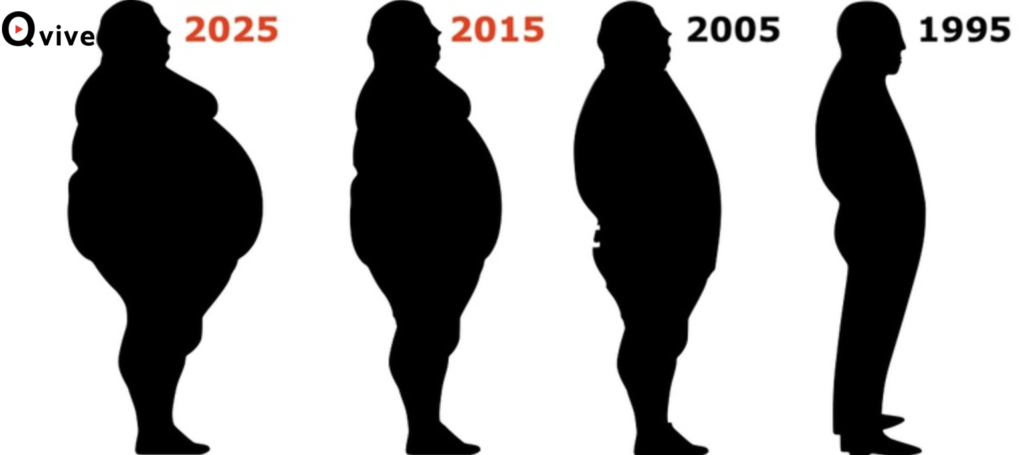
Obesity Crisis in India
Dr. Amitav Banerjee discusses the alarming rise of obesity in India, which mirrors trends in Western countries. He highlights that obesity is not just a cosmetic issue; it significantly increases risks for serious health conditions like diabetes, heart disease, and liver disorders. Just like how a garden needs attention to thrive, our health requires proactive measures rather than reactive solutions—this is crucial in tackling obesity.
Current Statistics and Trends
Recent data from the National Family Health Survey (NFHS) indicates a troubling increase in obesity rates. For example:
- Obesity in children (under 5 years) has skyrocketed by 127% over a 15-year span.
- Adolescent obesity has also seen significant rises: a 288% increase in boys and a 125% increase in girls.
- Among adults, obesity rates have jumped 91% for women and 146% for men.
These figures suggest cultural factors at play, such as gender inequality, where boys tend to have more access to calorie-rich foods than girls.
Factors Contributing to Obesity
Obesity is driven by several social determinants, much like how a car can malfunction for various reasons. Key contributors include:
- Increased purchasing power leading to greater consumption of ultra-processed foods—this industry is growing rapidly, from $900 million to $37.9 billion.
- Changing dietary patterns with decreased intake of traditional healthy foods, replaced by high-fat, sugary options.
Children’s food choices are often influenced by peer pressure and marketing, similar to how trendy fashions sway consumer behavior.
Weight Loss Drugs: A Solution?
Dr. Amitav discusses the emergence of weight loss drugs, particularly GLP-1 (glucagon-like peptide-1) agonists, originally developed for diabetes management but found effective for weight loss. These drugs act like a personal coach in your body, helping to regulate appetite and promote feelings of fullness longer than natural hormones, which can fade quickly, like a momentary rush of excitement from a fun event.
However, there are risks:
- Many users experience weight regain within a year after stopping use.
- Side effects such as nausea, muscle loss, and potential long-term risks are concerning, especially for individuals predisposed to obesity due to genetic factors.
The Broader Public Health Perspective
While weight loss drugs may help some, Dr. Amitav emphasizes that they should not replace essential lifestyle changes such as diet and exercise. It’s crucial to approach obesity treatment with a comprehensive strategy akin to tending a garden—balancing nutrition, physical activity, and pharmacotherapy when needed.
Policy Recommendations
Dr. Amitav urges for effective public health policies that:
- Promote physical activity through better infrastructure (e.g., walking and cycling paths).
- Regulate the marketing of ultra-processed foods.
- Foster community awareness regarding healthy food choices.
Final Thoughts
While weight loss drugs offer potential benefits, they are not a silver bullet for the obesity epidemic. Instead, a multi-faceted approach that combines pharmacotherapy with lifestyle changes, guided by healthcare professionals, is essential. Much like building a successful team, success in tackling obesity requires collaboration between drug interventions and healthy living practices.
Dr. Amitav concludes with a call for ongoing monitoring and research to fully understand the implications of these new treatments in the long run. This balanced view recognizes both the potential and the risks, advocating for informed choices backed by science and community support.
Watch Dr. Amitav Banerjee: Are Weight Loss Drugs Beneficial for the Indian Population?
Also Read: