

They, along with all the other YouTube Partner Program members, will have to accept new terms first, though.
YouTube has announced that creators can start making ad revenue on Shorts starting February 1st, following a promise from September that the monetization option was on its way. The change is coming as part of a broader update to YouTube’s Partner Program, which will require everyone who’s currently part of it to sign new agreement terms, whether or not they’re looking to make money from Shorts.
Creators have been able to make some money from the format that rolled out in 2021 for a while via things like Super Chats and shopping integrations, as well as a creator fund that the company had set up, but that model wasn’t all that much better that TikTok’s monetization scheme. What TikTok doesn’t do, though, is directly share ad revenue with creators — something that YouTube has been doing for years for traditional videos and that it’s now bringing to Shorts.
Creators won’t necessarily have to opt-in to shorts monetization if they don’t want to. YouTube says it’s introducing a modular system for the partner program’s terms — everyone in the program will have to sign a base agreement that dictates things like what you can post on the site and how payment works. That goes for creators who are already YouTube Partners; the company says they’ll have until July 10th, 2023, to accept the new terms, or else their ability to monetize with the platform will be turned off, and they’ll have to reapply to the program.
Then there are additional agreements for “Watch Page” and Shorts monetization, which you can agree to separately. The Shorts agreement, which will be available on February 1st, is basically what it says on the tin, giving you a cut of the revenue from “ads viewed between videos in the Shorts Feed.” The Watch Page agreement essentially covers the other stuff; live streams and traditional “long-form” videos on YouTube, YouTube Music, or YouTube Kids.
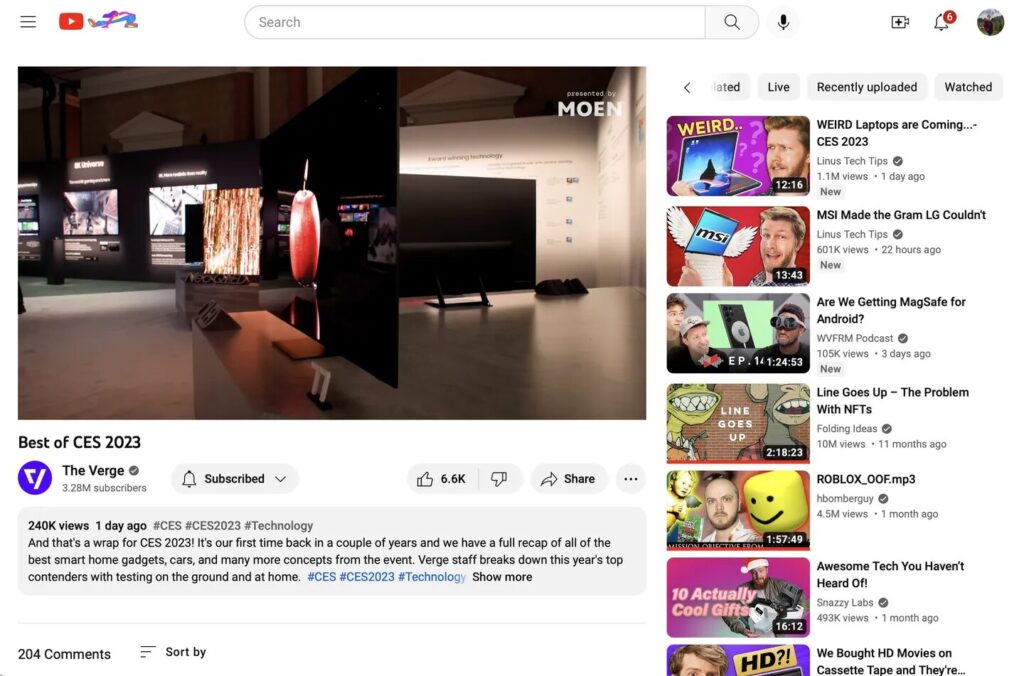
Basically, content you watch on a page that looks something like this:
There’s also an addendum for “commerce products” like memberships, Super Chats, Super Stickers, and Super Thanks, though the company says that you won’t have to re-agree to those terms if you’ve already turned the features on for your channel.
YouTube says this modular approach will let it “add new monetization opportunities in the future without having to update or amend the entire monetization agreement.” The company also says that you can opt-out of certain monetization modules after you sign up for them, though I’m struggling to come up with reasons why anyone would — it feels like doing so would just arbitrarily limit your monetization options.
The announcement comes as YouTube is revising the requirements to join the YouTube Partner Program. One of the requirements used to be that you had to get 4,000 public watch hours on your content within the past 12 months. Starting in October 2022, Shorts counted toward that number. As of January 2023, though, that’s no longer the case, according to the YouTube Partner Program overview & eligibility support page. Instead, that part of the eligibility requirement has been tweaked; you now have to get the 4,000 hours on non-shorts content or get 10 million views on your public Shorts within the past 90 days. (Either way, you also have to have at least 1,000 subscribers to be eligible.)
Source: TheVerge