

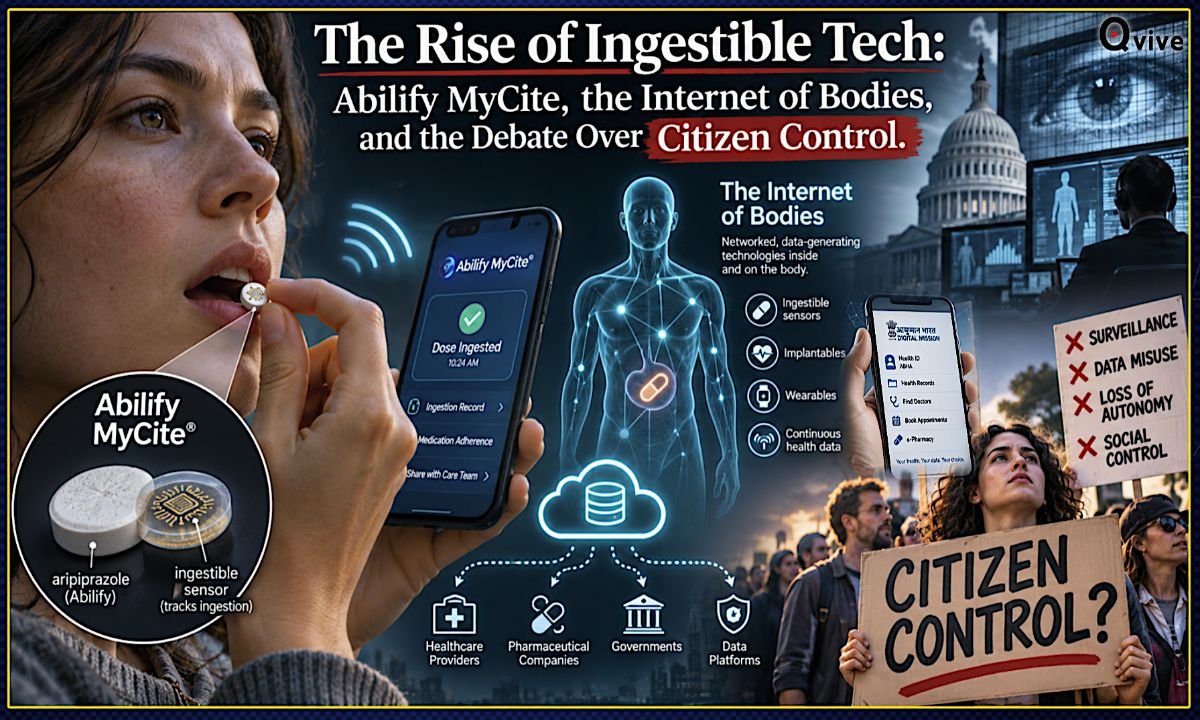
From Abilify MyCite to ABHA ID
Pills with Chips: The Reality of Abilify MyCite and the Internet of Bodies

What is Abilify MyCite?
Abilify MyCite is a medication that has a small digital chip embedded in it. This chip, called an “ingestible event marker” (IEM), sends a signal when it comes into contact with stomach acid. This allows others to know when you have taken your medication.
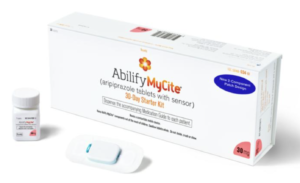
How does it work?
The chip communicates with a patch that users wear on their skin. This patch is connected via Bluetooth to a smartphone app that tracks medication intake and can also monitor other health information like daily steps and mood.


The technology raises ethical concerns. While it’s meant to help patients remember to take their medications, it places additional pressure on them. This can be problematic, especially for those with mental health issues who may struggle with feelings of paranoia about being monitored.
Historically, people with mental health issues were often forced to take medications and were often unfairly stigmatized. Abilify MyCite’s monitoring technology can be seen as a continuation of this paternalistic approach, where patients may feel they are not trusted to manage their own health.
What do experts think?
Many healthcare professionals, like psychiatrist Rajan Grewal, argue that the technology might not be the best solution for patients. They suggest simpler methods, such as using alarms or pillboxes, instead of a complex app.
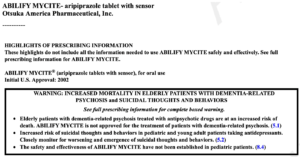
WARNING: INCREASED MORTALITY IN ELDERLY PATIENTS WITH DEMENTIA-RELATED PSYCHOSIS and SUICIDAL THOUGHTS AND BEHAVIORS
World Economic Forum: Transforming Health in the Fourth Industrial Revolution
A World Economic Forum discussion at the 2018 Annual Meeting in Davos, Switzerland, on January 24.
The central theme was how emerging technologies are changing healthcare, medical research, diagnosis, treatment and the relationship between patients and healthcare providers.
Major technologies discussed
The discussion focused on three major areas:
-
Artificial intelligence (AI), informatics and robotics: Using AI to support medical professionals, improve diagnosis and assist in healthcare decisions.
-
Next-generation imaging: Advanced imaging technologies to detect diseases earlier and improve diagnostic accuracy.
-
Patient-centric and technology-enabled care: Digital health services, remote monitoring, connected devices and greater patient participation in treatment.
Other important technologies include:
-
Genomics and precision medicine.
-
Wearable and ingestible sensors.
-
Robotics-assisted surgery.
-
Digital health records and data analytics.
-
Telemedicine and remote healthcare.
Speakers
The panel included:
-
Satya Nadella – Microsoft.
-
Albert Bourla – Pfizer.
-
Rajeev Suri – Nokia.
-
Michael F. Neidorff – Centene Corporation.
From the Internet of Things to the Internet of the Body

What is the Internet of Things (IoT)?
The Internet of Things (IoT) is a system where various devices connect to the internet and to each other to share data and automate tasks. For example, smart cameras can be linked to a home security system that you can monitor from your phone.
What is the Internet of Bodies (IoB)?
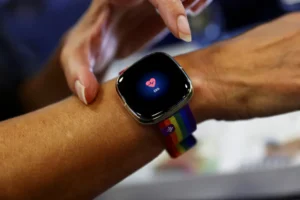
The Internet of Bodies (IoB) takes this concept further by integrating technology directly with the human body. It includes devices like smartwatches that monitor health metrics such as heart rate or stress levels, and internal devices like pacemakers that send health information to smartphones.
IoB devices collect real-time data about a person’s body and health. For instance:
- Wearable Devices: These track data like sleep patterns and physical stress, helping users make better lifestyle choices.
- Connected Medicine: For example, smart pills monitor medication intake and allow doctors to track health data continuously, leading to quicker and more accurate diagnoses.
Data collected from IoB devices and using machine learning, doctors can predict the likelihood of health issues, such as heart attacks, allowing for timely interventions that could improve recovery chances.
What are the future aspirations of IoB technology?
Future advancements may extend beyond physical health monitoring to include brain-computer interfaces. Initiatives like Elon Musk’s Neuralink aim to let individuals control devices through thought, raising ethical questions about privacy and security.
What should we consider about data security?
As more personal information is collected through IoB devices, cybersecurity becomes critically important. There is a risk of sensitive health and psychological data being exposed to security breaches.
As brain technologies develop, discussions around neuro-rights—protecting the integrity and privacy of brain data—are increasingly relevant. Some countries, like Chile, are already considering legislating these rights to safeguard individuals against potential misuse of their mental information.
Ayushman Bharat Digital Mission: Digital Healthcare or Digital Surveillance?

What is the Ayushman Bharat Digital Mission (ABDM)?
The Ayushman Bharat Digital Mission (ABDM) aims to create a robust digital health system in India. It’s like building a digital bridge connecting patients, doctors, hospitals, and health services, making healthcare easier to access.
What does ABHA stand for and what is it?
ABHA stands for Ayushman Bharat Health Account. Think of it as a special digital ID for your health — a unique number that helps you store, view, and share your medical records whenever you want.
The reported growth of ABHA accounts from 14.7 crore in 2021 to 90 crore in 2026 highlights the rapid expansion of India’s digital health infrastructure. Nevertheless, it raises critical concerns about informed consent, patient awareness, data privacy, individual autonomy and transparency in the creation of digital health accounts.
Rajasthan has creating over 7.19 crore (71.9 million) ABHA IDs, ranking it second in India.
Unveiling the Holes in the Digital India Bill 2023: Analyzing CoWIN Breach and Apple Alerts
Leaders of the opposition allege that CoWIN leaked personal information
Ayushman Bharat Digital Mission (ABDM), ABHA ID and India’s Digital Health Infrastructure
What are the key implications of the WEF discussion and drawbacks of ABHA IDs for India’s healthcare system?
-
Data privacy concerns: Sensitive medical information could be exposed, misused or accessed without adequate safeguards.
-
Cybersecurity risks: Centralised or interconnected digital health systems may become targets for cyberattacks and data breaches.
-
Digital divide: Rural populations, elderly citizens and economically disadvantaged groups may struggle with smartphones, internet access and digital literacy.
-
Informed consent: Patients may not fully understand how their health information is shared, accessed or used.
-
Exclusion of vulnerable groups: People without smartphones, digital skills or reliable connectivity may face difficulties accessing digital services.
-
Implementation challenges: Integrating government hospitals, private hospitals, laboratories and clinics requires significant investment and coordination.
-
Data accuracy: Incorrect or incomplete digital medical records could affect clinical decisions.
-
Commercial misuse: Concerns exist about potential misuse of health information by commercial entities, insurers or other organisations.
-
Dependence on technology: Technical failures, connectivity problems and system outages could disrupt healthcare services.
-
Accountability: Clear responsibility is needed when digital systems make errors or health information is improperly accessed.
ABHA ID (Ayushman Bharat Health Account): Digital Healthcare Transformation versus Patient Privacy, Informed Consent and Public Accountability.
-
Privacy concerns: Linking medical records to a digital health identity raises questions about confidentiality.
-
Consent-related concerns: Patients need meaningful control over who accesses their medical records.
-
Digital literacy: Many citizens may not understand how to create, manage or use an ABHA account.
-
Exclusion risk: People without digital access may face additional administrative barriers.
-
Data-linking concerns: Connecting health records from multiple institutions increases the importance of secure authentication and access controls.
-
Potential discrimination: There are concerns about health information being used unfairly in insurance, employment or other decisions.
-
Not a substitute for healthcare: Having an ABHA ID does not guarantee free treatment, hospital admission or access to quality healthcare.
Several professional organisations, civil society groups, digital privacy advocates and public representatives have expressed concerns:
Indian Medical Association (IMA)
- The IMA expressed reservations about the National Digital Health Mission framework in September 2020.
- Raised concerns about inadequate healthcare infrastructure and funding.
- Questioned data privacy, cybersecurity and the regulatory framework.
- Raised concerns about the participation and obligations of doctors and private hospitals.
- In September 2024, IMA again sought clarification from the National Health Authority regarding whether ABDM participation was voluntary or effectively becoming compulsory for medical establishments.
Source: https://www.pharmabiz.com/NewsDetails.aspx?aid=131498&sid=1&
Internet Freedom Foundation (IFF)
Digital rights criticism
- Criticised weaknesses in the Health Data Management Policy.
- Raised concerns about informed consent and excessive collection of personal information.
- Demanded stronger safeguards against misuse of health information.
- Questioned Aadhaar-based authentication and potential exclusion of vulnerable citizens.
- Advocated stronger accountability and independent oversight.
Jan Swasthya Abhiyan (JSA)
- Public health activists associated with JSA have questioned the rapid creation of digital health accounts.
- Raised concerns about citizens being enrolled without adequate awareness or informed consent.
- Emphasised the need to strengthen public healthcare infrastructure before prioritising digitalisation.
- Advocates a rights-based and publicly accountable healthcare system.
Source: https://scroll.in/reel/1031157/holy-cow-review-a-sadistically-funny-fable-about-intolerance?
Members of Parliament
Some MPs have raised questions about the implementation of ABDM, rather than necessarily opposing the mission itself.
- Khalilur Rahman: Raised questions about the creation of ABHA IDs for CoWIN registrants and consent.
- Sanjay Seth: Raised questions concerning the linking of CGHS and ABHA IDs.
- Shaktisinh Gohil: Raised questions about ABDM implementation and health data.
- P. Wilson: Raised broader concerns about personal data security and reported data leaks.

https://www.pib.gov.in/PressReleasePage.aspx?PRID=2152537&®=48&lang=2 LINKING OF ABHA AND CGHS IDs

https://sansad.in/getFile/annex/266/AU2496_uxpeiR.pdf?source=pqars& Ultimately, the debate over ingestible tech is about more than the hardware. It’s about who controls the biometric data created inside the body: the individual, or insurers, employers, and government institutions.
Also Read:
The Dark Underbelly of AI: Epstein, Eugenics, and the Hidden Agenda Behind Your Digital Life
Bill Gates “The Future is Digital: Embracing Mandatory Digital IDs for a Connected Society by 2030”
Repeal the Digital ID Bill: Senator Alex Antic Raises Alarm on Control