

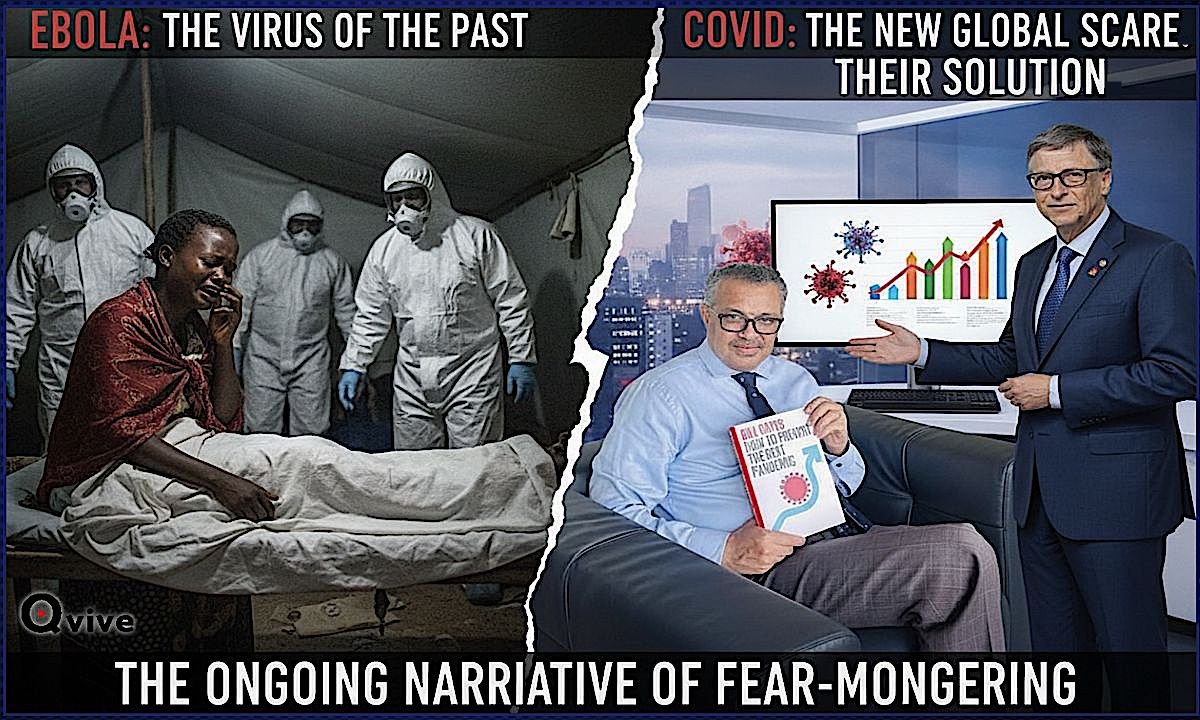
Ebola vs. COVID: The Ongoing Narrative of Global Health Fear-Mongering”
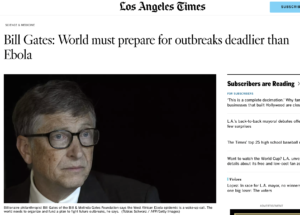
In December 2016, Bill Gates made a striking prediction about a future pandemic. This prediction seems to have transformed into what many refer to as a “PLANdemic” during the COVID-19 era, suggesting a pattern of communication about health threats. Nowadays, global health organizations like the WHO are indicating that Ebola may be the next big threat. Our focus will be on exploring the idea that there’s a consistent strategy of instilling fear and control through health narratives, which could undermine national sovereignty and personal freedoms.
The 2016 Prophecy
Back in 2016, Bill Gates warned about the need for better pandemic preparedness. He pointed to emerging biological threats and stressed that countries should be ready for outbreaks. This wasn’t just talk; it coincides with numerous simulation exercises, such as Event 201, which acted like practice runs for real crisis situations. Imagine playing a video game where you strategize against various challenges. Once you experience the game, you feel prepared for similar challenges in real life. This “predictive programming” makes the public more accepting of the measures that might follow during an actual crisis.
The Epstein-Gates Pandemic Architecture: Financializing Global Health
The COVID-19 Test Run
The COVID-19 pandemic allowed many of these predictions and strategies to be put into practice. Governments enforced lockdowns, mask mandates, and even censorship to control information. It’s like a classroom where the teacher insists that students only accept one version of facts. The widespread fear facilitated compliance; people followed guidelines without question. With global health organizations taking more control than ever, the expansion of their influence raises concerns—like giving a substitute teacher more authority than the regular teacher.
Misdiagnosis Alert: When a Covid-19 Test Turns into Monkeypox – What You Need to Know
The New Threat of Ebola
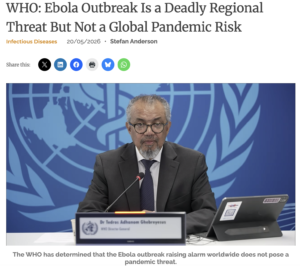
This time, the WHO is cautioning that Ebola could be the next serious threat, suggesting that it could be more dangerous than COVID-19. By shifting focus from respiratory diseases to deadly fevers, the message aims to amplify fear. Think of it like a horror movie that changes its monsters to keep you on edge. This rhetorical strategy not only frightens the public but also opens doors for financial and medical interventions, potentially benefiting vaccine makers and surveillance entities.
Bill Gates, the Big Boss of the World Health Organization: Philanthropist or Misanthropist?
Connecting the Dots: The Architecture of Global Control
There is an evident relationship between the WHO and wealthy private organizations, such as the Gates Foundation. This partnership can lead to erosion of national sovereignty, where global treaties may override local laws and decisions. It becomes increasingly important for individuals to protect their autonomy; the normalization of things like medical mandates and digital health passes could limit personal freedoms. Imagine being asked to show ID to go to the grocery store—not an easy concept for many.
The overall message is that fear remains a powerful tool for consolidating global authority. It’s crucial not to automatically trust every narrative presented by influential organizations, as their interests may not always align with public well-being. The call to action is clear: we need to advocate for transparency, protect our rights to bodily autonomy, and ensure that national sovereignty is not compromised by global governance.
In conclusion, the narrative around health threats is complex and layered, often designed to invoke fear. Understanding this pattern can empower individuals to question these influences critically and advocate for their rights.
Also Read:
BEYOND THE RESET – World Economic Forum (WEF) is planning for us
The 2013 Prophecy: Analyzing How Dr. Creep’s Lyrics Foreshadowed a Global Pandemic