

The aviation accident involving a Bombardier Learjet 45XR on January 28, 2026, represents one of the most significant political and aviation tragedies in recent Indian history. The crash resulted in the death of Maharashtra’s Deputy Chief Minister, Ajit Pawar, along with four others, and has prompted a rigorous examination of non-scheduled flight operations, pilot filling procedures, and the safety record of private charter companies in South Asia.
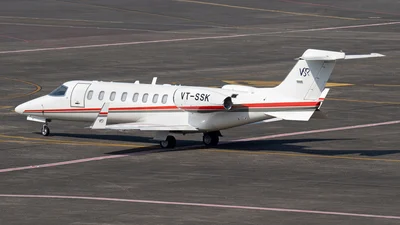
Technical Profile of the Aircraft
The aircraft involved was a Bombardier Learjet 45XR, registered as VT-SSK, and was approximately 16 years old at the time of the incident. The Learjet 45 is a mid-size business jet manufactured by Bombardier Aerospace, known for its high-speed performance and efficiency in short-to-medium haul sectors.
According to the International Directory of Civil Aircraft, the Learjet 45 series is powered by two Honeywell TFE731-20BR turbofan engines, each providing approximately 3,500 pounds of thrust.The “XR” variant, introduced in 2004, features upgraded engines that allow for higher takeoff weights and faster cruise speeds, typically reaching Mach 0.81. The aircraft’s maximum takeoff weight (MTOW) is approximately (), and it is designed to operate at altitudes up to .
Sequence of the Accident
On the morning of Wednesday, January 28, 2026, the flight departed from Chhatrapati Shivaji Maharaj International Airport (BOM) in Mumbai at 08:10 IST. The destination was Baramati Airport, an uncontrolled airfield located roughly 249 km southeast of Mumbai.
The flight proceeded normally until the arrival phase. At approximately 08:18 IST, the crew established contact with the Baramati airfield after being released by Pune Approach control. Data indicates that the pilots encountered difficulty during the initial approach to Runway 11. Due to what was initially reported as low visibility or a failure to stabilize the approach, the crew initiated a “go-around”—a standard aviation procedure where the landing is aborted to attempt a second approach.
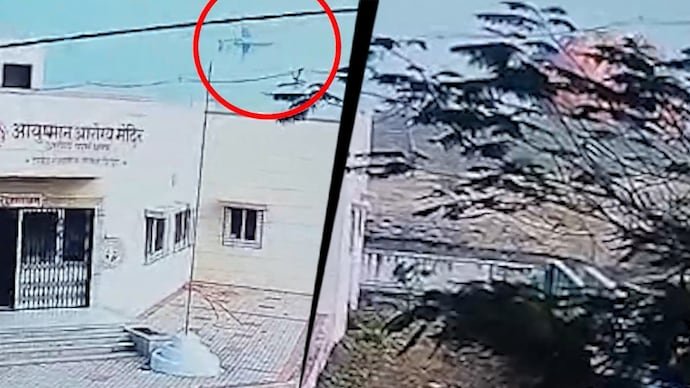
During the second attempt at 08:44 IST, the aircraft veered off the runway threshold, struck the ground in an open field, and immediately burst into flames. CCTV footage from the vicinity showed the aircraft flipping and losing control moments before a massive explosion. No “Mayday” or emergency distress signal was recorded by the Air Traffic Control (ATC) prior to the impact.
Passengers and Crew
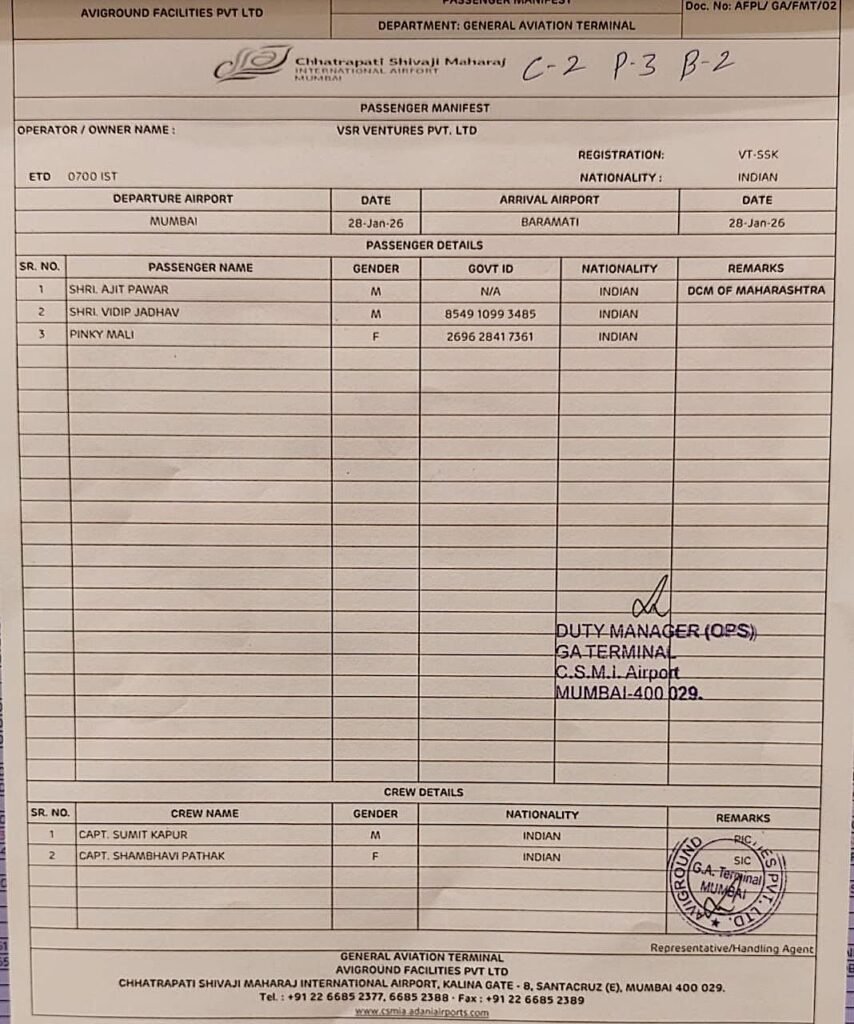
The crash resulted in five fatalities. The occupants were identified as:
- Ajit Pawar: Deputy Chief Minister of Maharashtra and leader of the Nationalist Congress Party (NCP).
- Captain Sumit Kapoor: The pilot in command.
- Captain Shambhavi Pathak: The co-pilot.
- Vidip Jadhav: Personal Security Officer to the Deputy CM.
- Pinky Mali: Flight attendant.
A notable detail emerged regarding the crew assignment: Captain Sumit Kapur was not originally scheduled for this flight. He had reportedly filled in for a colleague who was unable to reach the airport due to traffic congestion.
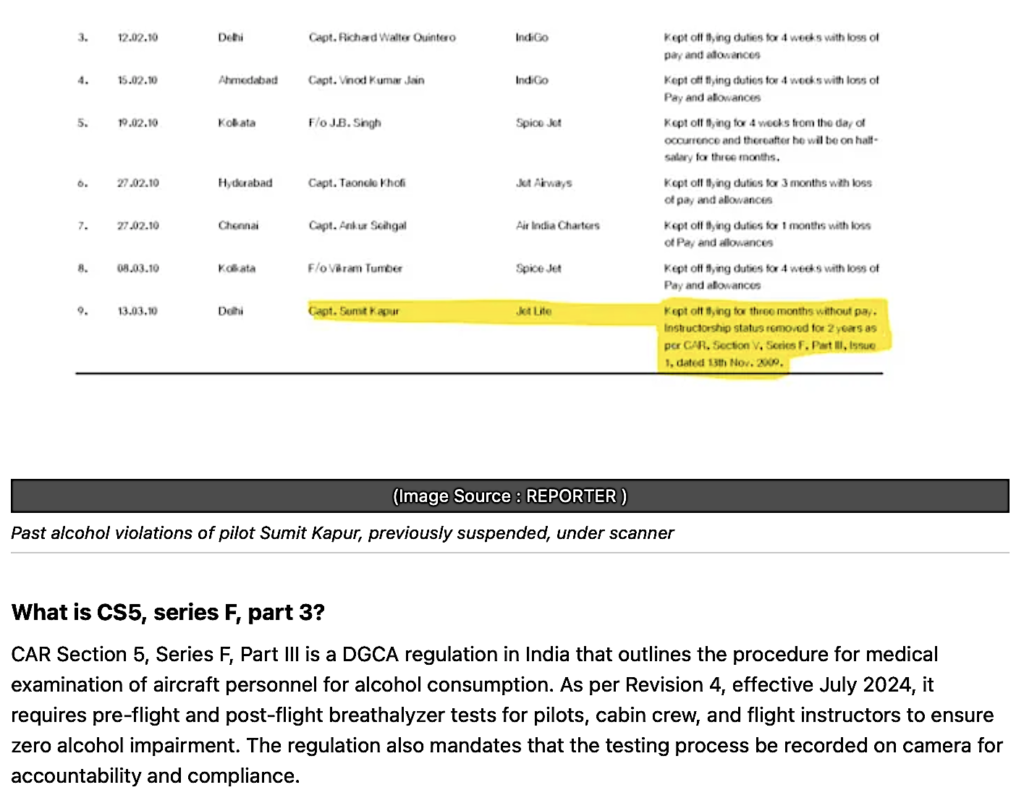
The pilot, Sumit Kapur, had a troubled history, including two major alcohol violations that resulted in disciplinary actions. He was previously suspended for three months without pay and had his instructor rating revoked for two years.
Records reveal he tested positive for alcohol before flights in 2010 and again in 2017.
The Civil Aviation Ministry reported that 57 pilots tested positive for alcohol between 2009 and 2010, with strict penalties for violations.
New regulations mandate pre- and post-flight breathalyzer tests for aviation personnel, aiming for zero alcohol impairment.
The Last-Minute Crew Substitution
Captain Sumit Kapur, a 62-year-old veteran with approximately 20,000 hours of flying experience, stepped in to operate the flight from Mumbai to Baramati as a replacement. According to statements made by his friends and colleagues during his funeral at the Punjabi Bagh crematorium in Delhi, Kapur had only recently returned from a trip to Hong Kong.
The pilot originally scheduled to fly the Deputy Chief Minister was reportedly delayed by heavy traffic in Mumbai. Because the flight was time-sensitive—intended to transport Pawar to Baramati for election-related rallies—VSR Ventures, the Delhi-based firm operating the aircraft, contacted Kapur to fill the vacancy. Kapur received the orders just a few hours before the 8:00 am take-off from the general aviation terminal at Kalina, Mumbai.
Environmental and Operational Factors
Conflicting reports initially emerged regarding the weather. While some local sources and the operator, VSR Ventures, cited heavy fog and low visibility as primary factors, the Directorate General of Civil Aviation (DGCA) noted that visibility was approximately 3,500 metres—generally considered clear for such operations.
Baramati Airport is classified as an “uncontrolled airfield,” meaning it does not have a dedicated ATC tower managed by the Airports Authority of India (AAI). Instead, traffic information is typically provided by local flying training organisations. This lack of sophisticated ground-based landing aids can increase the complexity of approaches during marginal weather conditions.
Safety Record of VSR Ventures
The operator, VSR Ventures Pvt. Ltd. founded by Vijay Kumar Singh (VK Singh), came under immediate scrutiny following the crash. This was the second major accident involving a Learjet 45 operated by the company in less than three years. On September 14, 2023, another VSR-operated Learjet 45XR (VT-DBL) skidded off the runway at Mumbai Airport during heavy rain. While all eight occupants survived that incident, the aircraft was destroyed.
The recurrence of a catastrophic failure involving the same aircraft model and operator has led to calls for a broader audit of non-scheduled operators (NSOPs) in India. Aviation safety experts often point to the “Swiss Cheese Model” of accident causation, where multiple small failures—maintenance, pilot fatigue, and environmental factors—align to cause a disaster.
The regulatory warnings issued by the European Union Aviation Safety Agency (EASA) regarding VSR Ventures represent a critical intersection of international aviation law, safety oversight, and the enforcement of “Third Country Operator” (TCO) standards. These warnings culminated in the suspension of VSR Ventures’ authorization to operate within European airspace, a decision rooted in systemic non-compliance and a failure to cooperate with safety investigations.
The EASA Regulatory Framework and TCO Authorisation
To understand the gravity of the warnings issued to VSR Ventures, one must first examine the legal framework established by EASA. Under Regulation (EU) 2018/1139, which serves as the “Basic Regulation” for European aviation safety, EASA is tasked with ensuring a high uniform level of civil aviation safety. A central component of this mandate is the Part-TCO (Third Country Operators) regulation.
As detailed in authoritative texts on aviation law, such as International Aviation Law: A Practical Guide, any commercial air transport operator from outside the European Union must hold a TCO authorization to fly into, within, or out of the EU. This authorization serves as a validation that the operator meets the safety standards set by the International Civil Aviation Organization (ICAO). When an operator fails to maintain these standards, EASA is empowered to issue “findings” of non-compliance, categorized by their severity.
Specific Warning: The “Level 1” Safety Finding
The primary regulatory warning issued to VSR Ventures was the designation of a “Level 1” safety finding.In the hierarchy of EASA enforcement, a Level 1 finding is the most severe category of non-compliance. According to the Manual of Civil Aviation and EASA’s own internal enforcement protocols, a Level 1 finding is issued under two specific conditions:
- When a significant non-compliance is detected that lowers safety or hazards flight safety to the point that a risk cannot be ruled out.
- When an operator fails to grant the agency access to its facilities or records, thereby obstructing regulatory oversight.
In the case of VSR Ventures, EASA issued this warning after the company repeatedly failed to provide documentation and safety-relevant information following a previous accident involving a Learjet 45 (registration VT-DBL) at Mumbai airport in September 2023.
Failure of Cooperation and Documentation
The specific warnings issued between October and November 2024 focused on the operator’s lack of transparency. EASA sent five formal reminders to VSR Ventures, requesting:
- Safety Recommendations: The outcome of internal investigations into the 2023 Mumbai accident.
- Root Cause Analysis: A detailed explanation of the factors contributing to previous safety lapses.
- Corrective Action Plans: A formal proposal on how the operator intended to rectify its safety management systems.
The agency explicitly warned that the absence of this data made it impossible to determine the operator’s continued compliance with TCO requirements. Because VSR Ventures did not respond to these formal notices, EASA determined that the operator was no longer meeting the “international safety standards” required for European operations.
Notification to the DGCA and Subsequent Consequences
EASA’s regulatory warnings were not confined to the operator alone; the suspension order and the underlying safety findings were also marked to India’s national regulator, the Directorate General of Civil Aviation (DGCA).This is a standard procedure under bilateral safety agreements, intended to alert the home-state regulator of potential systemic risks within an airline’s operations.
Despite these international warnings, VSR Ventures continued to operate domestically in India. This highlights a frequent challenge in global aviation: the “Safety Oversight Gap,” where an operator may be banned or suspended by one jurisdiction (like the EU) while remaining cleared by its home country. In February 2025, the DGCA conducted its own audit of VSR Ventures and reportedly did not find Level 1 issues at that time, despite the outstanding EASA suspension.
The Baramati Crash and Safety Implications
The significance of EASA’s warnings became a matter of intense public scrutiny following the January 2025 crash of another VSR Ventures Learjet near Baramati, which resulted in the death of Maharashtra Deputy Chief Minister Ajit Pawar and four others. The aircraft involved in this fatal accident was the same model (Learjet 45) as the one involved in the 2023 Mumbai incident that triggered the EASA investigation.
The EASA warnings serve as a “precursor event” in safety management theory. As noted in Reason’s Swiss Cheese Model of Systemic Failure, accidents are rarely the result of a single error but rather a “trajectory of accident opportunity” through holes in various layers of defense. EASA’s Level 1 finding was an attempt to close one of those holes by demanding transparency; the failure to heed that regulatory warning is now a central focus of the Aircraft Accident Investigation Bureau (AAIB) probe.
Global Learjet 45 Incident History
The Learjet 45 has been involved in several high-profile fatal accidents globally:
- Mexico City (2008): A Learjet 45 carrying Mexican Interior Secretary Juan Camilo Mouriño crashed after encountering wake turbulence from a Boeing 767. All nine on board and seven on the ground were killed.
- Milan Linate (2003): A Learjet 45 struck a flock of birds shortly after takeoff, resulting in a loss of control that killed both pilots.
- Veracruz, Mexico (2021): A Mexican Air Force Learjet 45 crashed during departure, killing six military personnel.
- General Safety Data: Aviation records indicate the Learjet 45 has been involved in over 40 non-fatal incidents and at least eight major fatal accidents since its inception.
The Smoking Gun: Video Evidence
CCTV Footage Analysis
The pivotal evidence comes from two key videos:
CCTV footage of the collision impact of the chartered aircraft, carrying Maharashtra deputy CM Ajit Pawar and 4 others, which crash landed. pic.twitter.com/vf9X7TGffJ
— Believer (@PredatorVolk) January 28, 2026
- The “Tilt Plane” Video
- Shows the aircraft abruptly flipping before impact, a maneuver inconsistent with weather-related incidents.
- Experts suggest possible mechanical failure or control issues, yet DGCA has not addressed this.
- 8:45 AM Ball of Fire Footage
- Captures the instant of the crash, revealing clear blue skies—no fog, no storms, no visibility issues.
Investigation and Aftermath
The Aircraft Accident Investigation Bureau (AAIB) and the DGCA launched a formal forensic probe immediately after the crash. Both the Cockpit Voice Recorder (CVR) and the Flight Data Recorder (FDR), commonly known as “Black Boxes,” were recovered from the charred wreckage.
Following the unfortunate aircraft accident near Baramati, all requisite response and investigative mechanisms were activated immediately. Ensuring a thorough, transparent, and time-bound inquiry remains a top priority.
— MoCA_GoI (@MoCA_GoI) January 29, 2026
A team of three officers from AAIB, Delhi, and another team…
The death of Ajit Pawar created a significant political vacuum in Maharashtra. Chief Minister Devendra Fadnavis declared three days of state mourning, and the national flag was flown at half-mast. Tributes were paid by Prime Minister Narendra Modi and leaders across the political spectrum, including Rahul Gandhi and Amit Shah. Ajit Pawar was cremated with full state honours in his stronghold of Baramati on January 29, 2026.
Ref:
Twitter, Facebook, Youtube, Wikipedia
Also Read: