

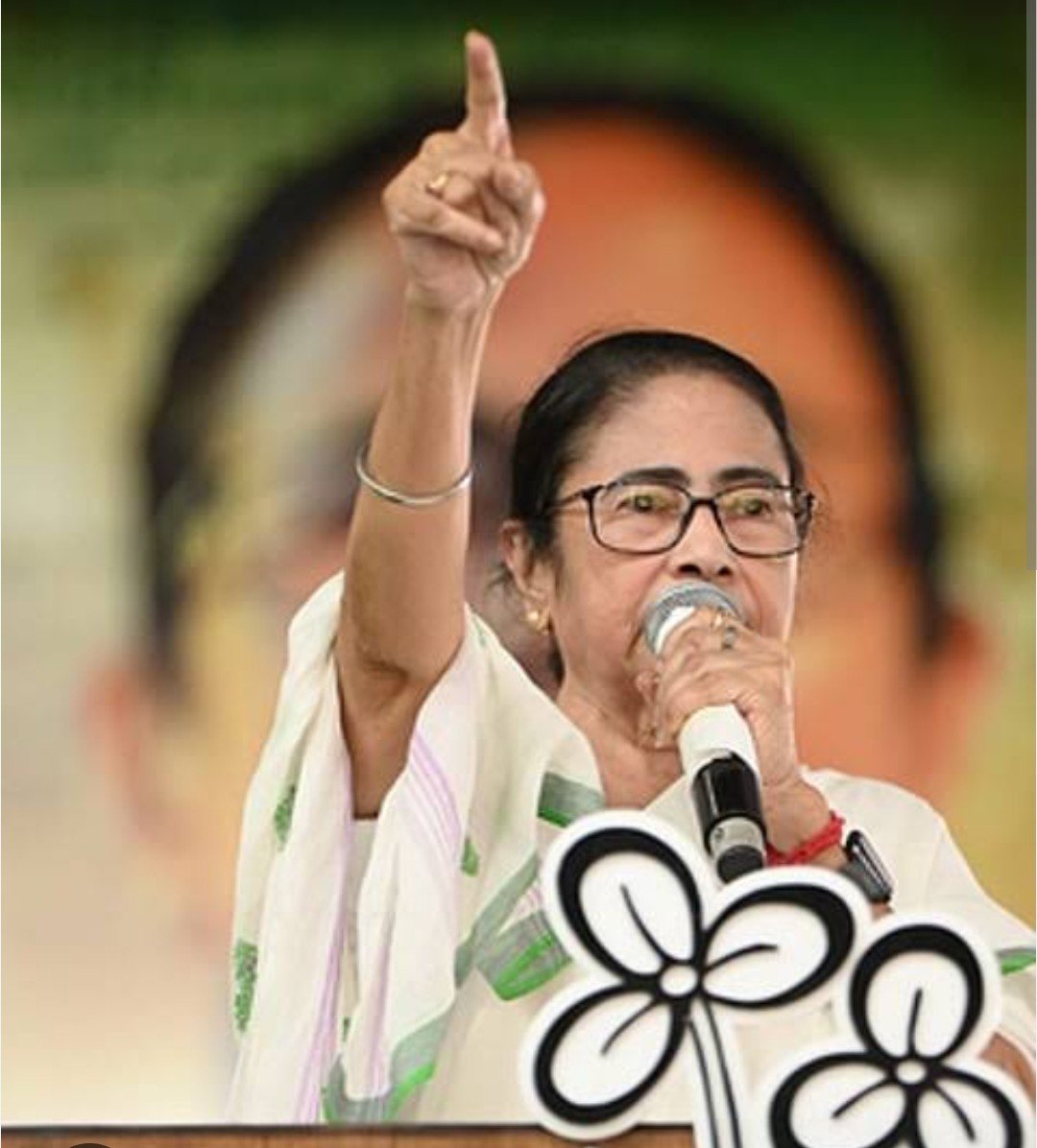
The results of the West Bengal Assembly elections in May witnessed a radical shift in the political landscape. The Trinamool Congress Party, led by Mamata Banerjee, which had formed the government after winning three consecutive elections, was completely routed, with its number of MLAs reduced to 80. Meanwhile, the Bharatiya Janata Party, which once held a zero-seat seat in West Bengal, progressed from 0 to 3, from 3 to 77, and from 77 to 208, forming its government. After losing the election, power was snatched from Mamata Banerjee’s hands, and now there is a strong possibility of a major split within the Trinamool Congress (TMC). Political circles and media reports are now claiming that several of the party’s MPs and MLAs are in contact with the Bharatiya Janata Party (BJP) and may switch sides. The main reasons for the potential split within the TMC are:
Potential rebellion by MPs and MLAs: Reports claim that more than 12 TMC Lok Sabha MPs and several MLAs are in contact with the BJP, dissatisfied with the party leadership.
Resignations at the local level: Since the change of power in the state, internal strife within the TMC has intensified. Reports of mass murders of councilors and local leaders have emerged from areas considered party strongholds (such as Diamond Harbour, Bhatpara, and Kotai).
Leaving the party by prominent leaders: The resignation of prominent TMC leaders like Kakoli Ghosh from party posts and the subsequent joining of some other MPs to the BJP are weakening the party.
Discussion of Operation Lotus: BJP leaders are continuously claiming that several TMC MLAs and MPs may soon join the BJP, which could lead to a major split in the Mamata Banerjee-led TMC.
Future uncertainty: Several senior leaders are said to be uneasy with the decisions taken by the party’s top leadership following the election results, which could lead to a major political upheaval within the TMC in the coming days.