

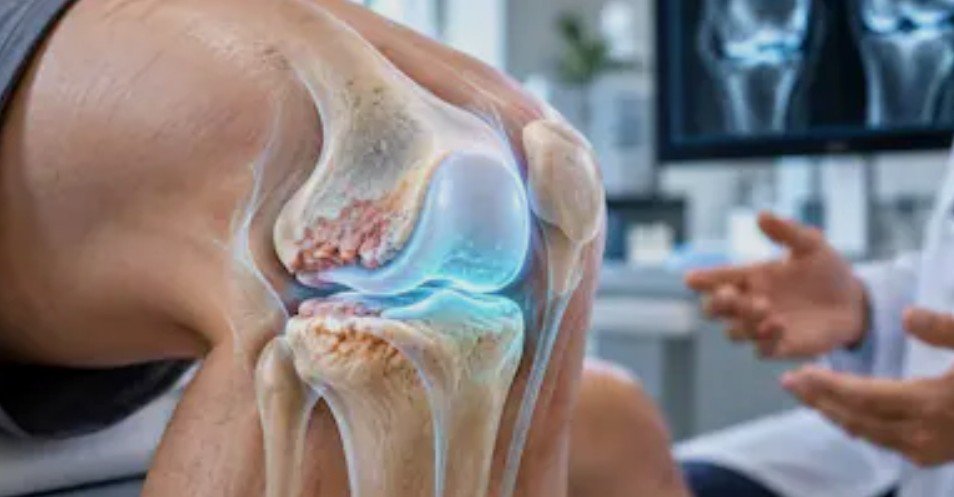
Knee pain, difficulty climbing stairs, and discomfort getting up from a chair are often considered a part of aging. However, in many cases, the culprit is osteoarthritis, which gradually damages knee cartilage. Once cartilage is worn down, it’s considered difficult to repair. However, new research has challenged this notion.
Scientists at Stanford Medicine in the US have discovered a method that could potentially regenerate damaged knee cartilage in the future. If this technique is successful in humans, it could benefit millions of patients.
Dr. Ramkinkar Jha, Director of Orthopedics at CK Birla Hospital, says that cartilage is a soft, smooth tissue that covers the ends of the bones in the knee. This allows joints to function smoothly and reduces friction during movement. When this layer begins to wear down, pain, swelling, and stiffness begin. Health experts say that aging, obesity, chronic injuries, and osteoarthritis are the main causes of cartilage damage.
Researchers studied an enzyme called 15-PGDH. This enzyme can affect the body’s repair capacity as we age. The research found that blocking it led to the formation of new cartilage in elderly mice. Scientists also conducted lab tests on human cartilage samples, which yielded positive results. This raises hopes that in the future, cartilage repair may be possible by activating the body’s own cells.
Dr. Ramkinkar Jha says it’s premature to say this will repair all types of cartilage, as severe knee osteoarthritis can affect not just the cartilage, but the bones and the entire joint structure. Therefore, simply increasing cartilage won’t solve every patient’s problem. However, if this technique proves safe and effective in the future, it could eliminate the need for knee replacement.
To maintain long-term knee health, it’s important to maintain weight control, exercise regularly, engage in low-impact activities like walking and swimming, and consult a doctor promptly. Persistent pain or difficulty walking should never be ignored.
While this research is in its early stages, it certainly raises hopes that regrowing worn-out knee cartilage may become possible in the coming years, potentially leading to significant changes in the treatment of osteoarthritis.