

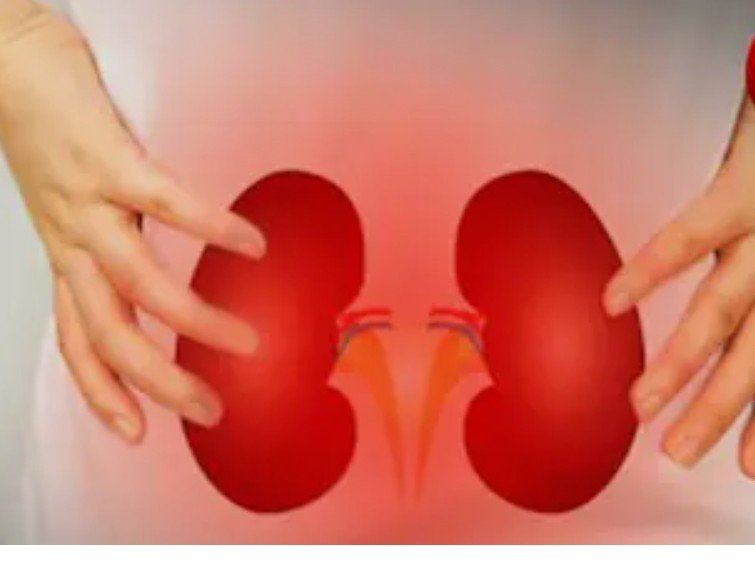
The kidneys are considered a vital organ that functions continuously and silently. This is why many kidney-related problems go undetected in their early stages. It’s common, especially among young people, to believe that kidney screening is only necessary for older adults or those with pre-existing medical conditions. However, experts suggest that monitoring kidney health from an early age in certain at-risk individuals can help prevent serious complications in the future.
Kidney disease is often detected only after significant damage has already occurred. Therefore, if you have high blood pressure, diabetes, frequent UTIs, or kidney stones, screening may be necessary even at a young age.
According to Dr. Ashwin Mallya, uro-oncologist and robotic surgeon at Sir Ganga Ram Hospital, not every healthy person after the age of 20 needs regular, expensive, or extensive kidney tests. However, for those with risk factors, early testing can be crucial. Kidney disease can remain asymptomatic for a long time, and by the time symptoms appear, kidney function may already be compromised.
Dr. Mallya explains that young people with high blood pressure, diabetes, frequent kidney stones, and frequent urinary tract infections (UTIs) should not ignore kidney testing. Furthermore, if there is a family history of kidney disease, consulting a doctor is advisable. The Government of India’s CKD guidelines also include diabetes, hypertension, kidney stones, frequent UTIs, and a family history as risk factors for kidney disease.
For early kidney disease, doctors may recommend different tests based on a person’s age, symptoms, and risk factors. Blood pressure testing, eGFR assessment from serum creatinine, and urine testing may be important. The presence of protein or albumin in the urine may also indicate early kidney damage.
According to experts, Urine Albumin-to-Creatinine Ratio (UACR) and eGFR are useful tests to understand kidney function and risk of damage. Current clinical guidelines recommend paying special attention to CKD screening in people with diabetes, hypertension, previous acute kidney injury, kidney stones, structural kidney problems, or a family history of severe kidney disease.
According to Dr. Ashwin Mallya, a major problem with kidney health among young people is that they often ignore their body’s signals. Drinking too little water, eating too much salt, sitting for long periods of time, uncontrolled weight, blood pressure or sugar problems, and taking frequent medications without consulting a doctor can adversely affect kidney health.
Dr. Mallya says that kidney screening at a young age is not meant to presume everyone is a patient, but rather to identify early onset of disease in those at risk. If a person experiences persistent foam in the urine, blood in the urine, swelling in the legs or face, unusual changes in urine volume, frequent burning during urination, or persistent pain around the waist, they should consult a doctor instead of self-medicating.
If a young person is experiencing frequent kidney stones, blood in the urine, frequent UTIs, or high blood pressure at a young age, it is not advisable to dismiss it as normal. In such cases, the doctor may order tests such as urine, blood tests, and ultrasound as needed.
Dr. Mallya says that the best way to prevent kidney disease is to control risk factors and get timely checkups when necessary.
Young people should focus on drinking enough water, limiting salt intake, engaging in regular physical activity, controlling weight and blood pressure, and avoiding long-term use of medications without a doctor’s advice. Therefore, crossing the age of 20 is not necessarily the right age for kidney screening, but if risk factors or suspicious symptoms are present, paying attention to kidney health from an early age can be a wise step for the future.